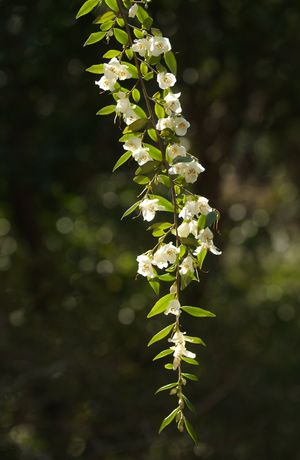
Camellia euryoides
Camellia euryoides offers a fascinating counterpoint to the camellias most familiar to American gardeners. While Camellia japonica and Camellia sasanqua have long defined the genus in cultivation here, they represent only a small portion of a far broader and more botanically diverse lineage centered in eastern Asia. C. euryoides belongs to that richer world of species camellias: subtler in presentation, more refined in texture, and deeply appealing to gardeners interested in the genus beyond its most established ornamental forms.
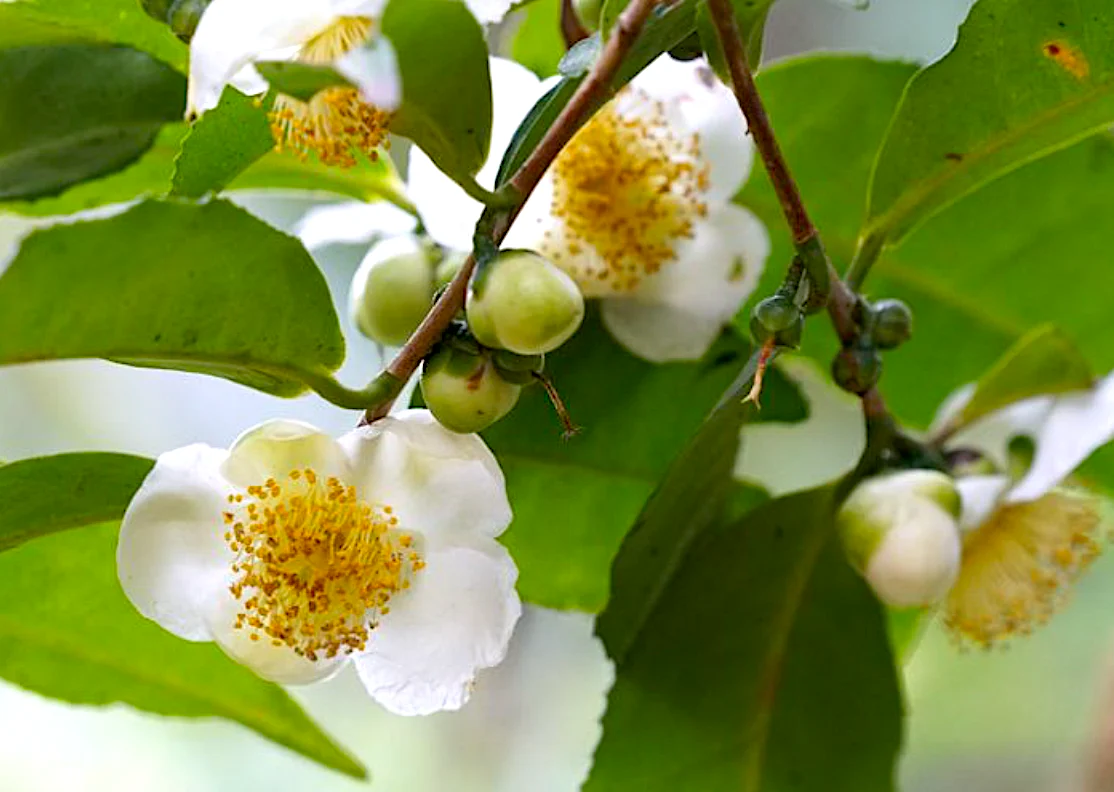
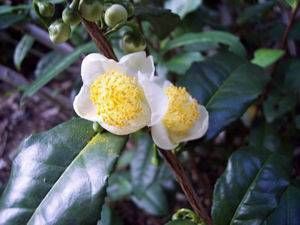
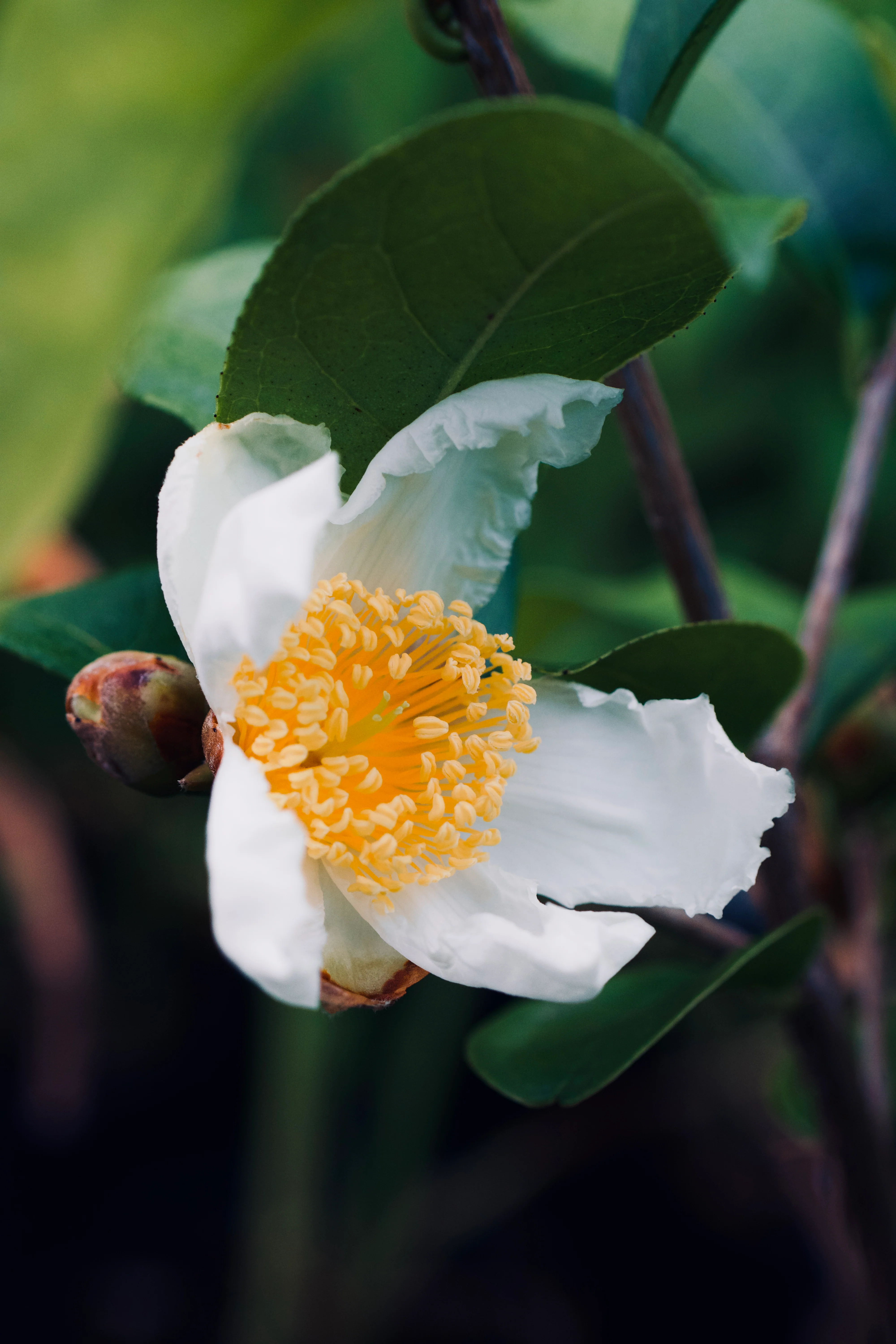
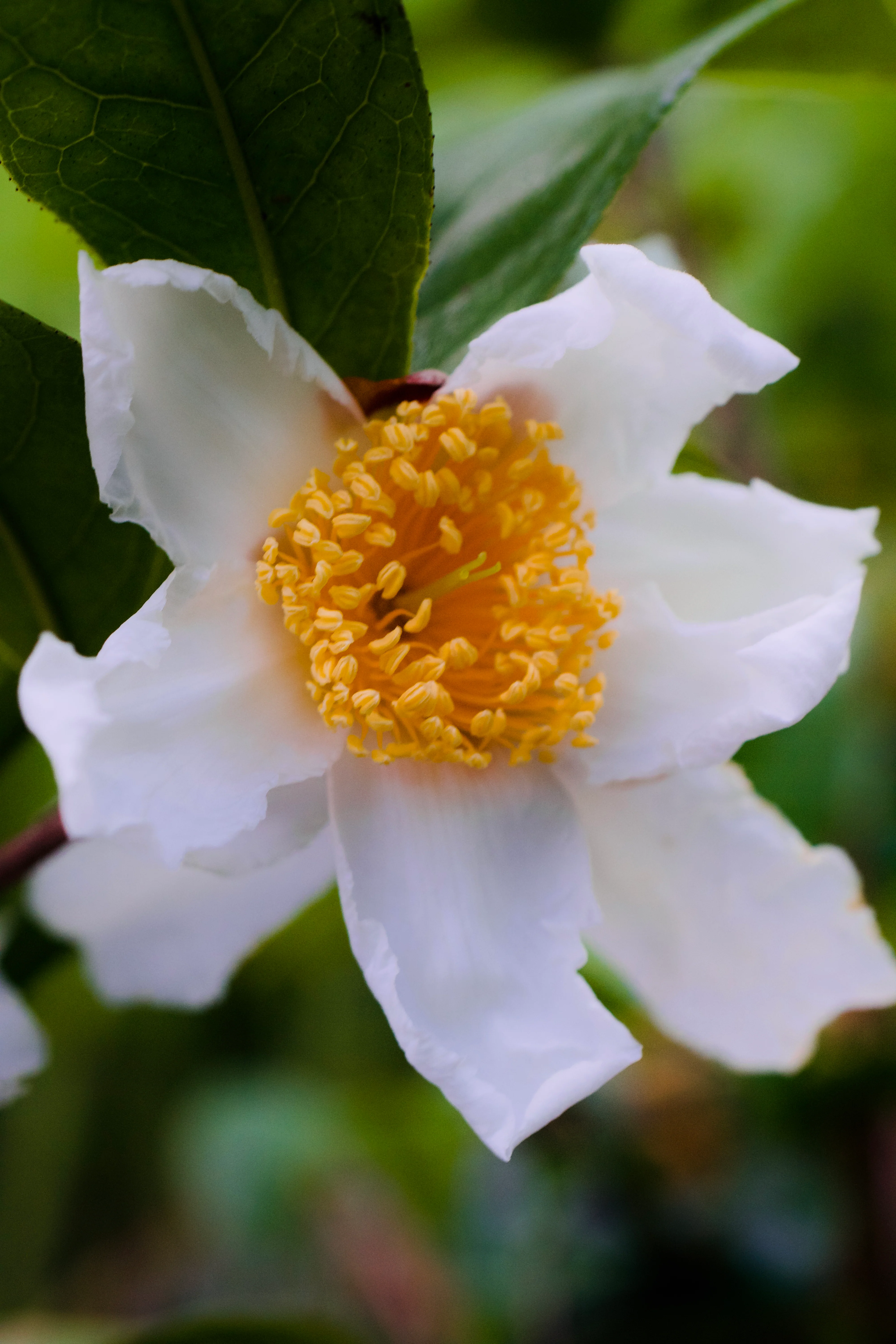
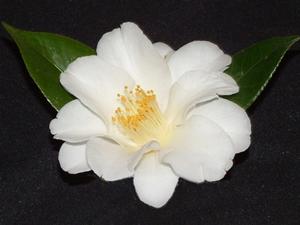
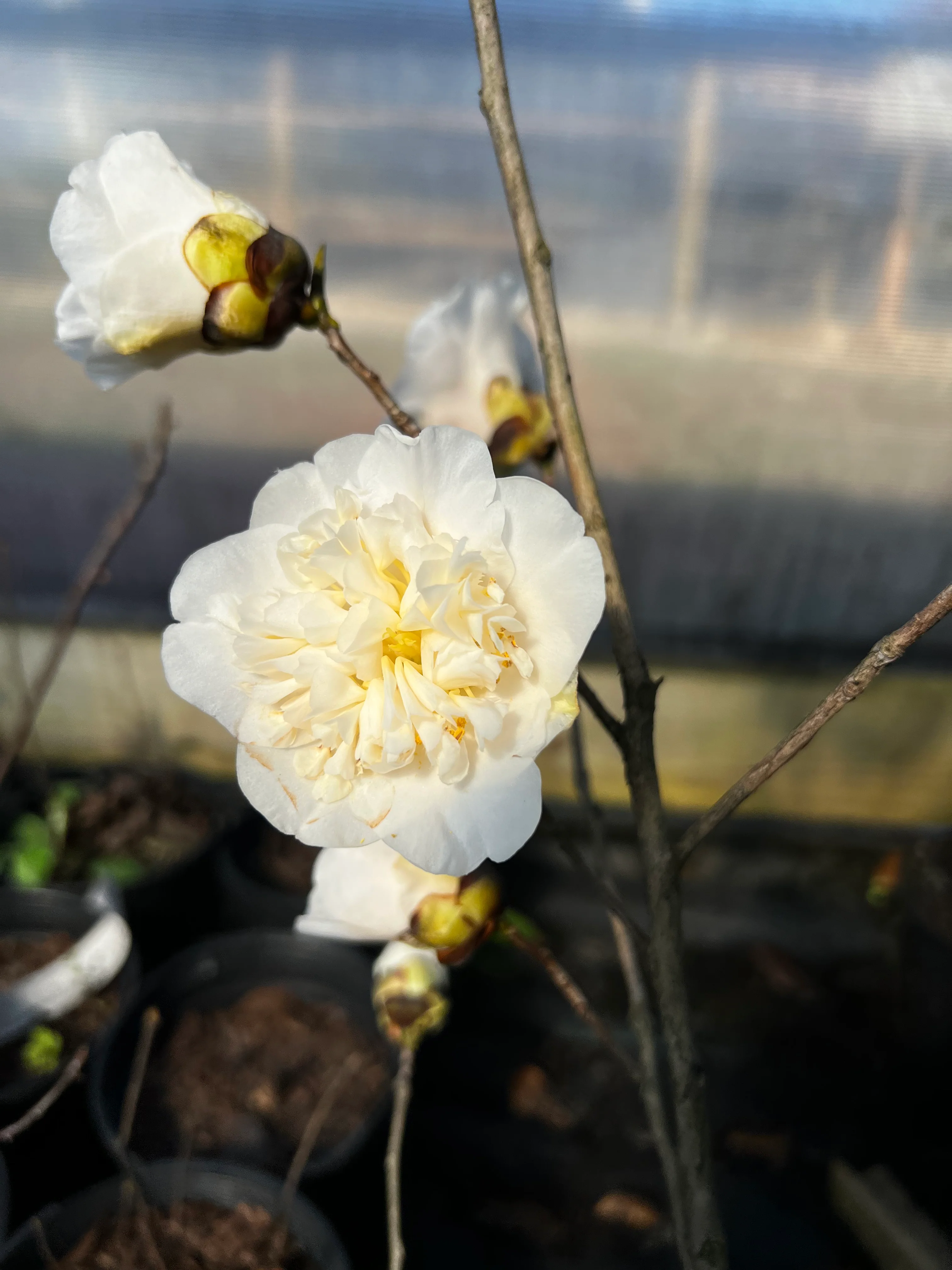
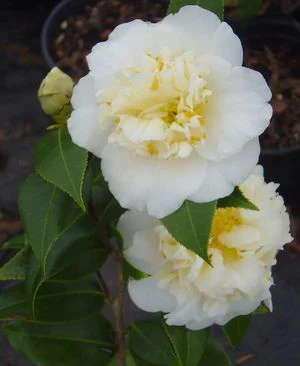
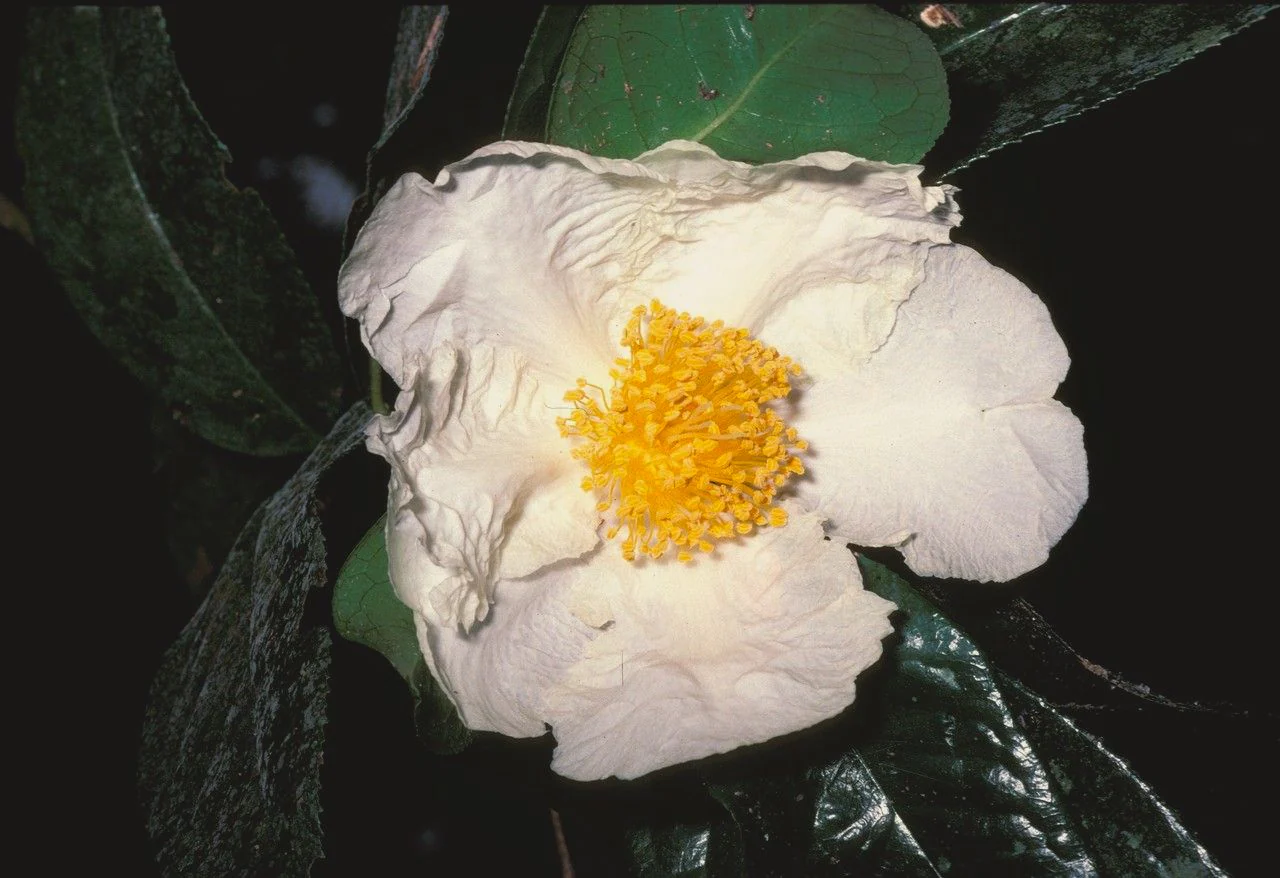
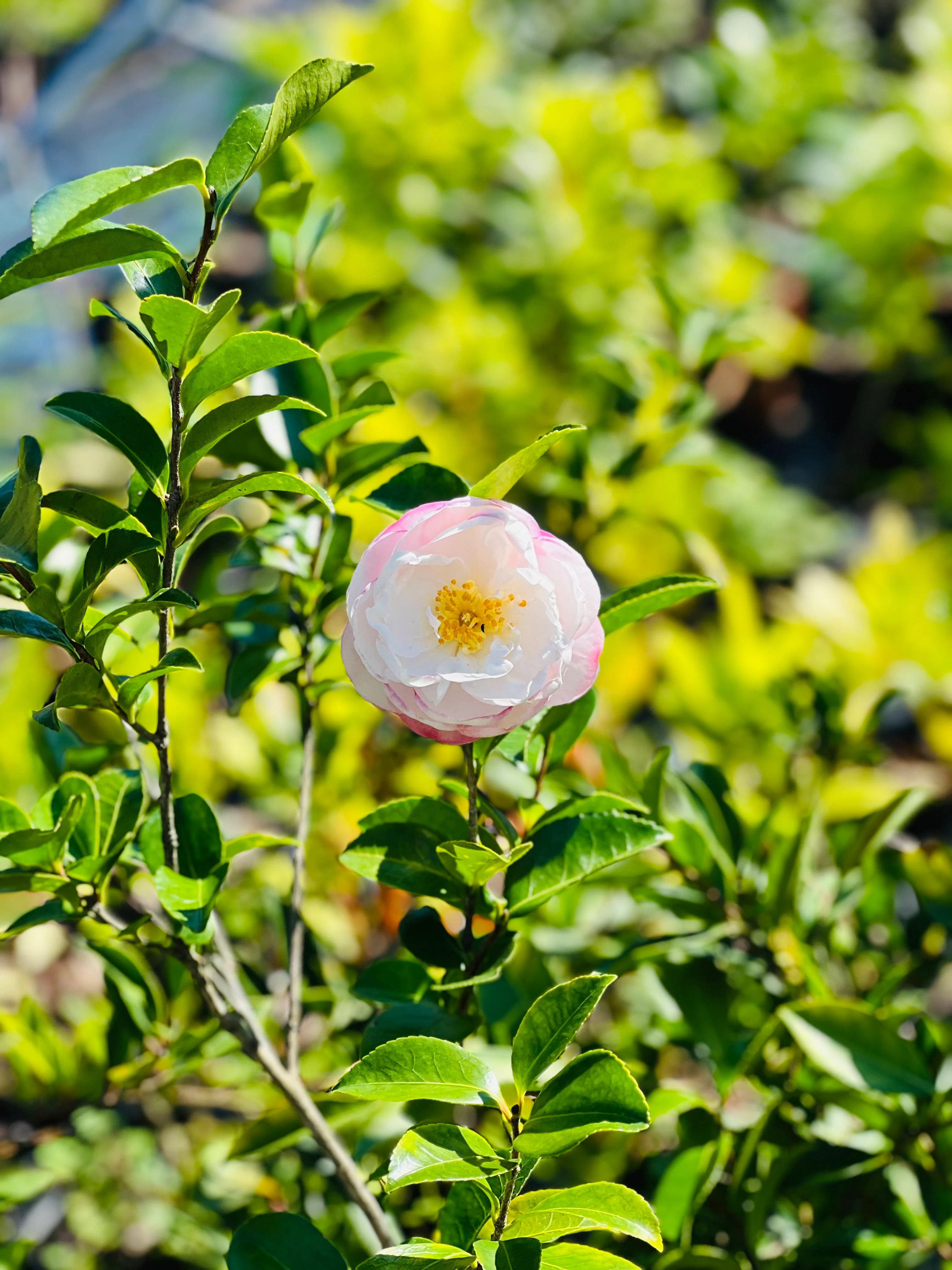
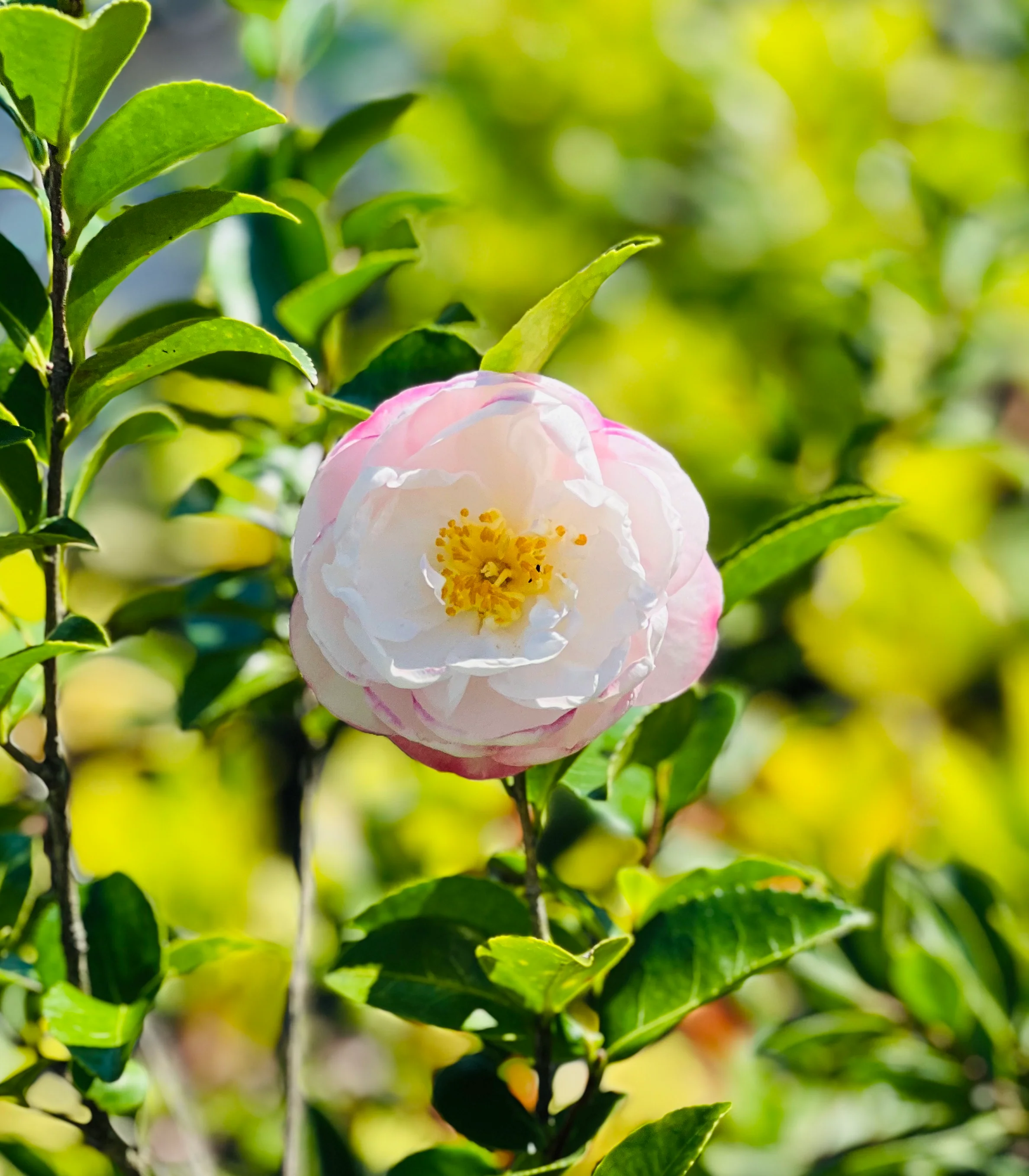
We have given it the common name Mockorange Camellia, a nod to its unusual visual character. Its relatively small foliage and abundant display of modestly scaled white flowers in early spring create an effect more reminiscent of Philadelphus than of the bold, lacquered blooms typically associated with camellias. Indeed, one of its greatest pleasures in the garden is the quiet taxonomic surprise it produces...many viewers do not immediately recognize it as a camellia at all.
This is a species whose value lies not in extravagance, but in nuance. Its smaller leaves lend it a finer texture than is typical of commonly grown camellias, allowing it to sit more naturally in woodland compositions, semi-shaded borders, and gardens where scale and foliage contrast are carefully considered. In design terms, it is particularly effective where a broad-leaved evergreen might feel too weighty or formal. Instead, Camellia euryoides contributes a more restrained evergreen presence, followed by a delicate early spring flowering display that reads with unusual clarity in shade.
Culturally, it succeeds under the conditions favored by many camellias: semi-shade, sandy, slightly acidic soil, and a regime of regular mulching and dependable moisture. In such settings, it rewards the attentive gardener not only as a beautiful shrub, but as an expression of the genus’s wider botanical range and an elegant reminder that camellias are far more varied, and far more interesting, than the standard garden palette might suggest.
Camellia euryoides offers a fascinating counterpoint to the camellias most familiar to American gardeners. While Camellia japonica and Camellia sasanqua have long defined the genus in cultivation here, they represent only a small portion of a far broader and more botanically diverse lineage centered in eastern Asia. C. euryoides belongs to that richer world of species camellias: subtler in presentation, more refined in texture, and deeply appealing to gardeners interested in the genus beyond its most established ornamental forms.
We have given it the common name Mockorange Camellia, a nod to its unusual visual character. Its relatively small foliage and abundant display of modestly scaled white flowers in early spring create an effect more reminiscent of Philadelphus than of the bold, lacquered blooms typically associated with camellias. Indeed, one of its greatest pleasures in the garden is the quiet taxonomic surprise it produces...many viewers do not immediately recognize it as a camellia at all.
This is a species whose value lies not in extravagance, but in nuance. Its smaller leaves lend it a finer texture than is typical of commonly grown camellias, allowing it to sit more naturally in woodland compositions, semi-shaded borders, and gardens where scale and foliage contrast are carefully considered. In design terms, it is particularly effective where a broad-leaved evergreen might feel too weighty or formal. Instead, Camellia euryoides contributes a more restrained evergreen presence, followed by a delicate early spring flowering display that reads with unusual clarity in shade.
Culturally, it succeeds under the conditions favored by many camellias: semi-shade, sandy, slightly acidic soil, and a regime of regular mulching and dependable moisture. In such settings, it rewards the attentive gardener not only as a beautiful shrub, but as an expression of the genus’s wider botanical range and an elegant reminder that camellias are far more varied, and far more interesting, than the standard garden palette might suggest.
Description
Camellia euryoides offers a fascinating counterpoint to the camellias most familiar to American gardeners. While Camellia japonica and Camellia sasanqua have long defined the genus in cultivation here, they represent only a small portion of a far broader and more botanically diverse lineage centered in eastern Asia. C. euryoides belongs to that richer world of species camellias: subtler in presentation, more refined in texture, and deeply appealing to gardeners interested in the genus beyond its most established ornamental forms.
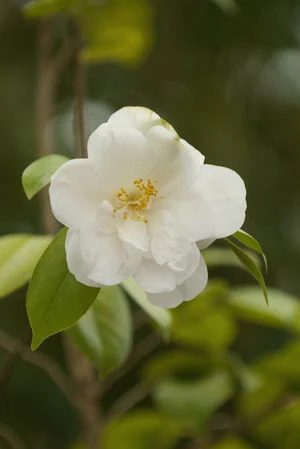
We have given it the common name Mockorange Camellia, a nod to its unusual visual character. Its relatively small foliage and abundant display of modestly scaled white flowers in early spring create an effect more reminiscent of Philadelphus than of the bold, lacquered blooms typically associated with camellias. Indeed, one of its greatest pleasures in the garden is the quiet taxonomic surprise it produces...many viewers do not immediately recognize it as a camellia at all.
This is a species whose value lies not in extravagance, but in nuance. Its smaller leaves lend it a finer texture than is typical of commonly grown camellias, allowing it to sit more naturally in woodland compositions, semi-shaded borders, and gardens where scale and foliage contrast are carefully considered. In design terms, it is particularly effective where a broad-leaved evergreen might feel too weighty or formal. Instead, Camellia euryoides contributes a more restrained evergreen presence, followed by a delicate early spring flowering display that reads with unusual clarity in shade.
Culturally, it succeeds under the conditions favored by many camellias: semi-shade, sandy, slightly acidic soil, and a regime of regular mulching and dependable moisture. In such settings, it rewards the attentive gardener not only as a beautiful shrub, but as an expression of the genus’s wider botanical range and an elegant reminder that camellias are far more varied, and far more interesting, than the standard garden palette might suggest.