Coreopsis lanceolata
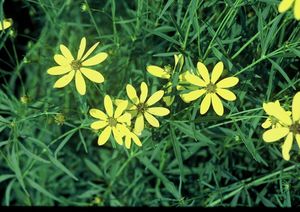
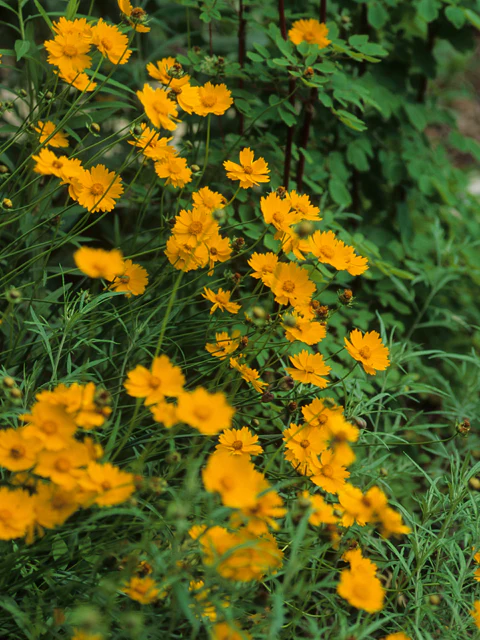
Native to the open prairies and meadows of North America, Coreopsis lanceolata, also known as Lanceleaf Coreopsis, has long been admired for its bright, golden-yellow blooms and hardy nature. This perennial wildflower has been a staple of North American landscapes for centuries, evolving to thrive in a wide range of climates and soil conditions, from sandy coastal regions to the rich prairies of the Midwest.
Its name, Coreopsis, comes from the Greek words koris (bug) and opsis (appearance), a nod to the seed’s resemblance to ticks. Despite this less-than-glamorous association, its blooms tell a different story: a burst of sunshine that can brighten any landscape.
Coreopsis lanceolata has a rich history of use by Native American tribes, who valued it not only for its beauty but also for its practical uses. Traditionally, the flowers were used to create yellow dyes for clothing and tools, while some tribes brewed a tea from the plant to treat various ailments, from stomach aches to internal bleeding.
Over time, this cheerful wildflower has spread far beyond the prairies, becoming a beloved ornamental in gardens across the world. Its resilience and ability to attract pollinators like bees and butterflies have cemented its place as a favorite for modern gardeners who seek both beauty and ecological benefit.
Photos courtesy of Albert Vick & Sally Wawoski
Native to the open prairies and meadows of North America, Coreopsis lanceolata, also known as Lanceleaf Coreopsis, has long been admired for its bright, golden-yellow blooms and hardy nature. This perennial wildflower has been a staple of North American landscapes for centuries, evolving to thrive in a wide range of climates and soil conditions, from sandy coastal regions to the rich prairies of the Midwest.
Its name, Coreopsis, comes from the Greek words koris (bug) and opsis (appearance), a nod to the seed’s resemblance to ticks. Despite this less-than-glamorous association, its blooms tell a different story: a burst of sunshine that can brighten any landscape.
Coreopsis lanceolata has a rich history of use by Native American tribes, who valued it not only for its beauty but also for its practical uses. Traditionally, the flowers were used to create yellow dyes for clothing and tools, while some tribes brewed a tea from the plant to treat various ailments, from stomach aches to internal bleeding.
Over time, this cheerful wildflower has spread far beyond the prairies, becoming a beloved ornamental in gardens across the world. Its resilience and ability to attract pollinators like bees and butterflies have cemented its place as a favorite for modern gardeners who seek both beauty and ecological benefit.
Photos courtesy of Albert Vick & Sally Wawoski
Original: $14.95
-70%$14.95
$4.48Description
Native to the open prairies and meadows of North America, Coreopsis lanceolata, also known as Lanceleaf Coreopsis, has long been admired for its bright, golden-yellow blooms and hardy nature. This perennial wildflower has been a staple of North American landscapes for centuries, evolving to thrive in a wide range of climates and soil conditions, from sandy coastal regions to the rich prairies of the Midwest.
Its name, Coreopsis, comes from the Greek words koris (bug) and opsis (appearance), a nod to the seed’s resemblance to ticks. Despite this less-than-glamorous association, its blooms tell a different story: a burst of sunshine that can brighten any landscape.
Coreopsis lanceolata has a rich history of use by Native American tribes, who valued it not only for its beauty but also for its practical uses. Traditionally, the flowers were used to create yellow dyes for clothing and tools, while some tribes brewed a tea from the plant to treat various ailments, from stomach aches to internal bleeding.
Over time, this cheerful wildflower has spread far beyond the prairies, becoming a beloved ornamental in gardens across the world. Its resilience and ability to attract pollinators like bees and butterflies have cemented its place as a favorite for modern gardeners who seek both beauty and ecological benefit.
Photos courtesy of Albert Vick & Sally Wawoski