Podocarpus acutifolius
A refined and rarely offered evergreen from New Zealand, Podocarpus acutifolius forms a dense, finely textured silhouette with short, sharp-tipped leaves that give it a crisp, architectural presence. Heat-tolerant and well-suited to the southern United States when properly sited, this uncommon conifer offers structure, restraint, and year-round depth in the landscape.
The Plant
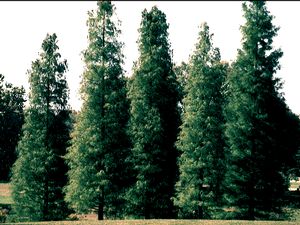
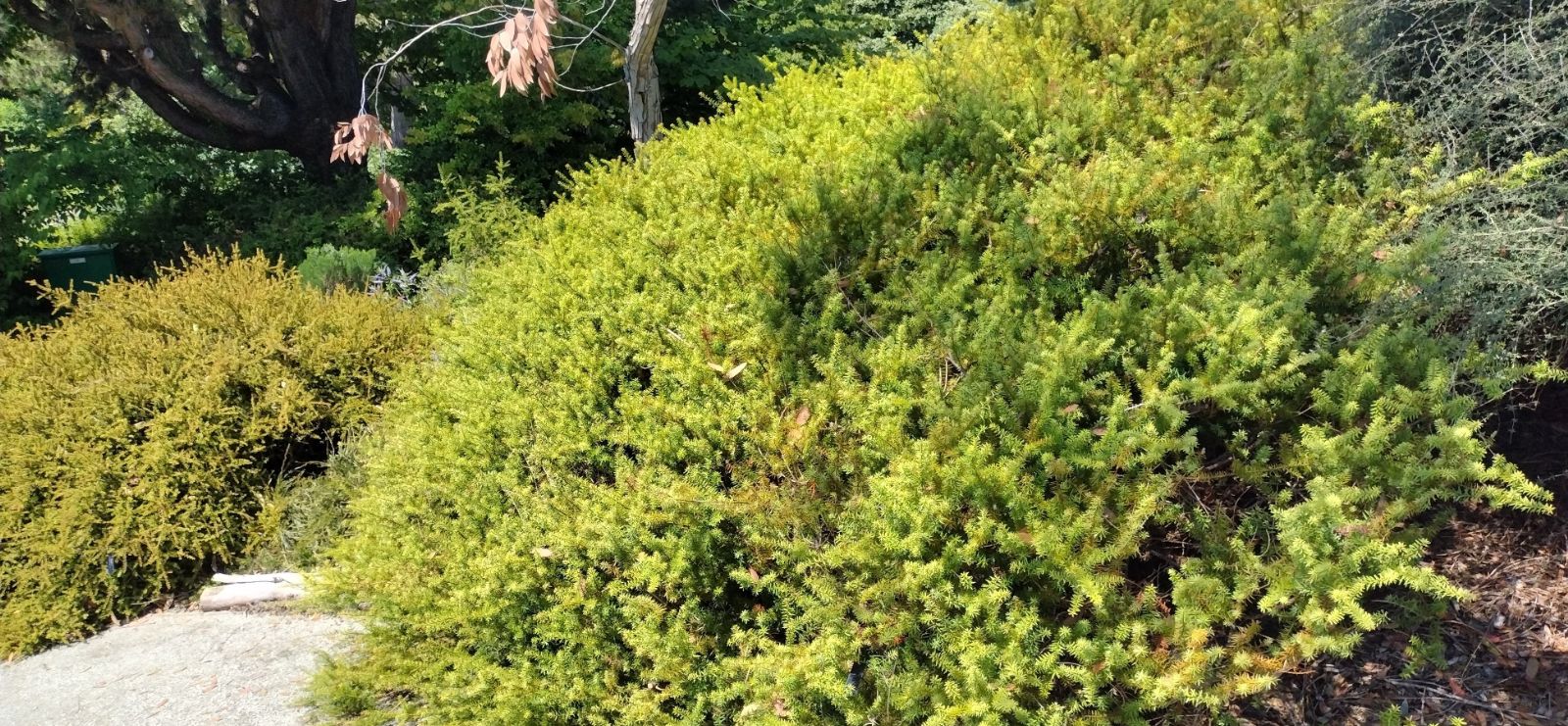
Commonly known as Needle-leaved Tōtara, Podocarpus acutifolius is native to New Zealand’s South Island, where it inhabits well-drained slopes, rocky outcrops, and forest margins. Unlike the towering tōtara trees of its homeland, this species typically forms a compact, dense shrub or small tree, with a tight branching habit and naturally composed form.
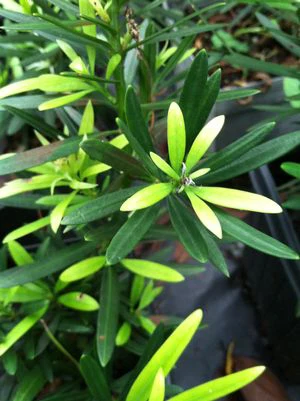
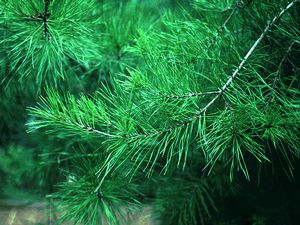
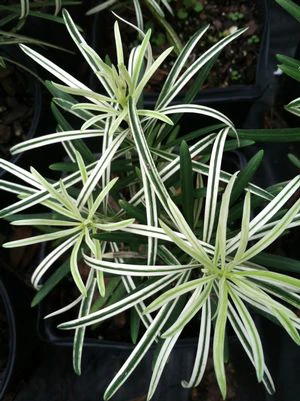
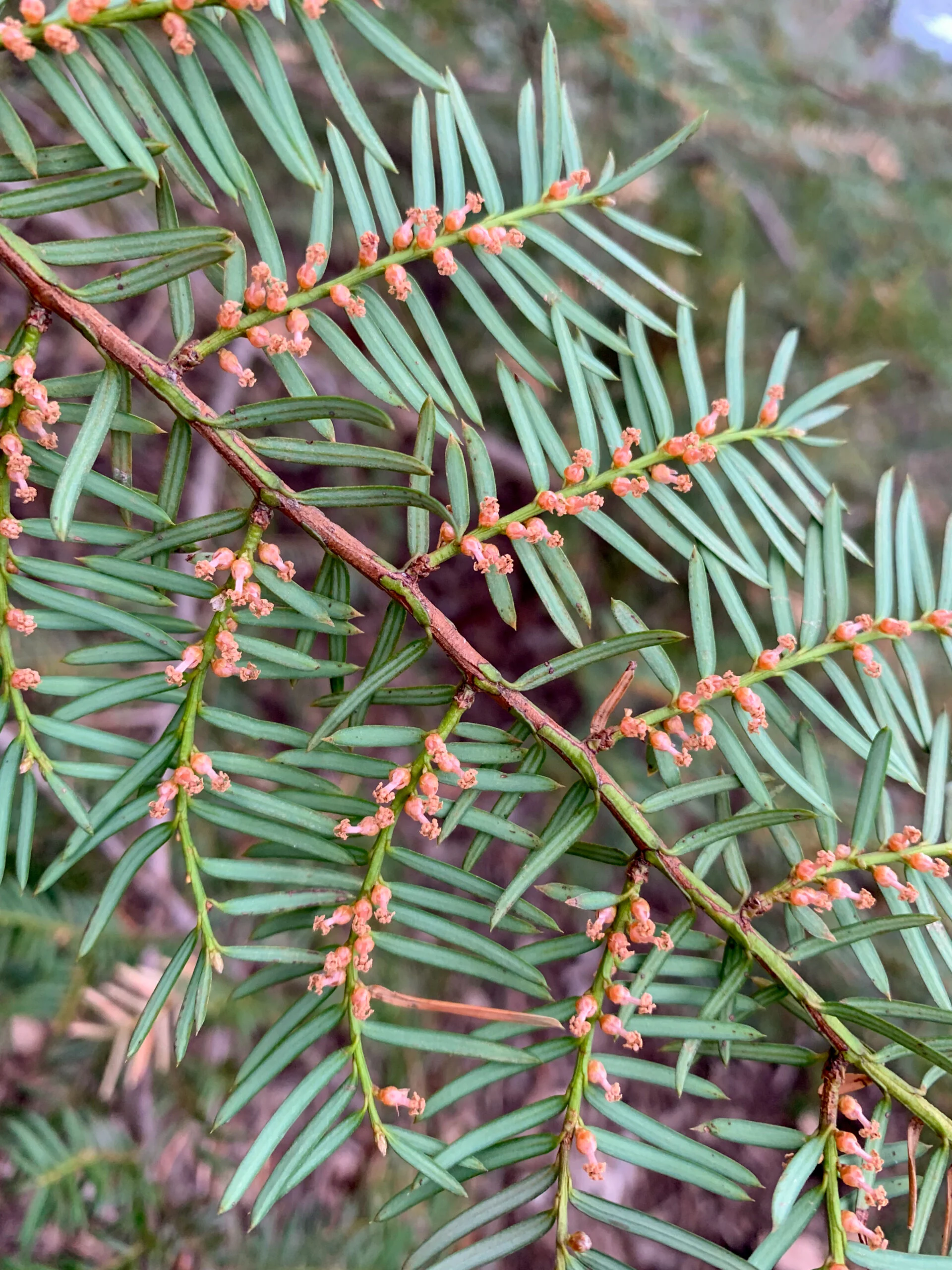
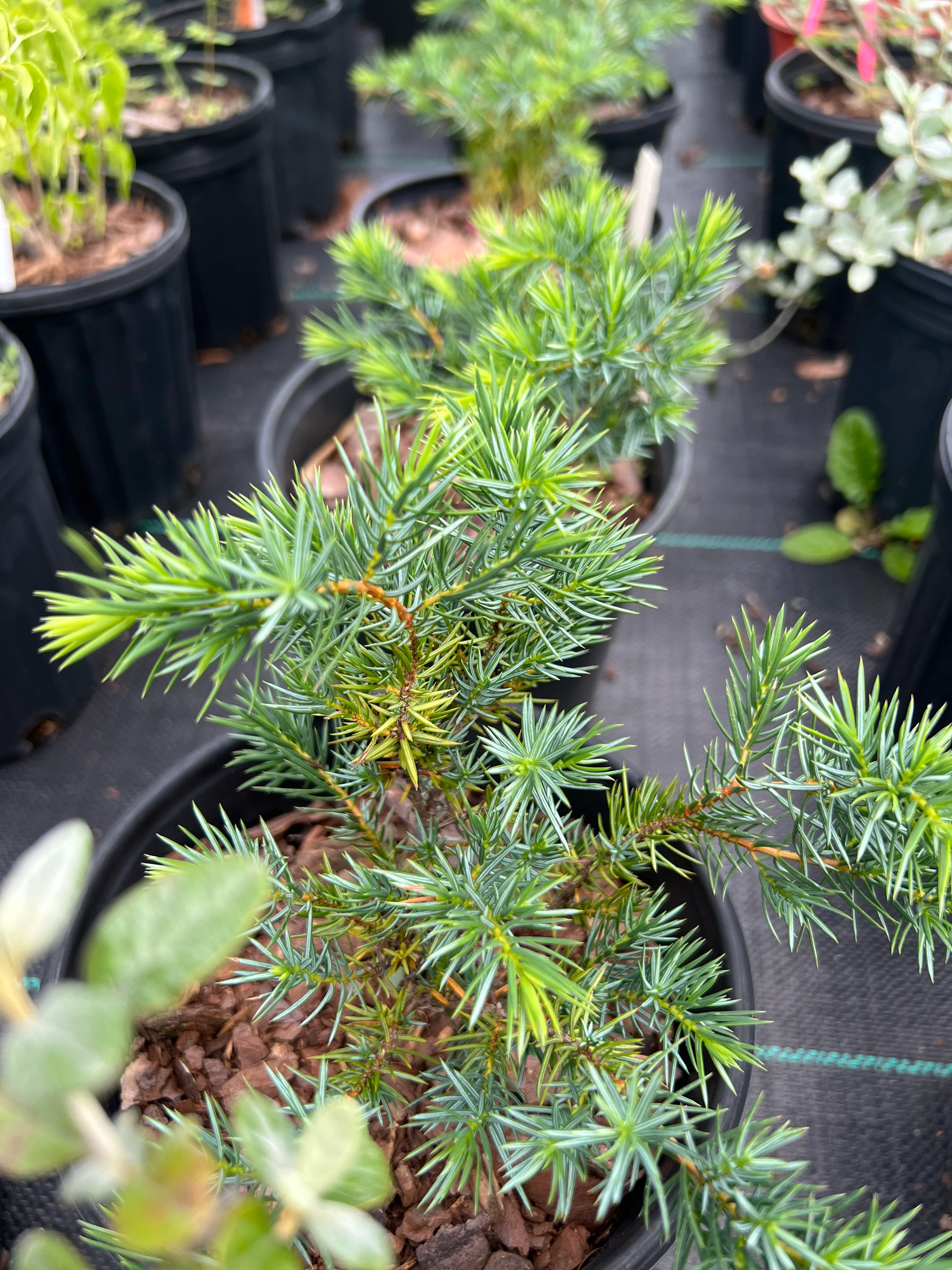
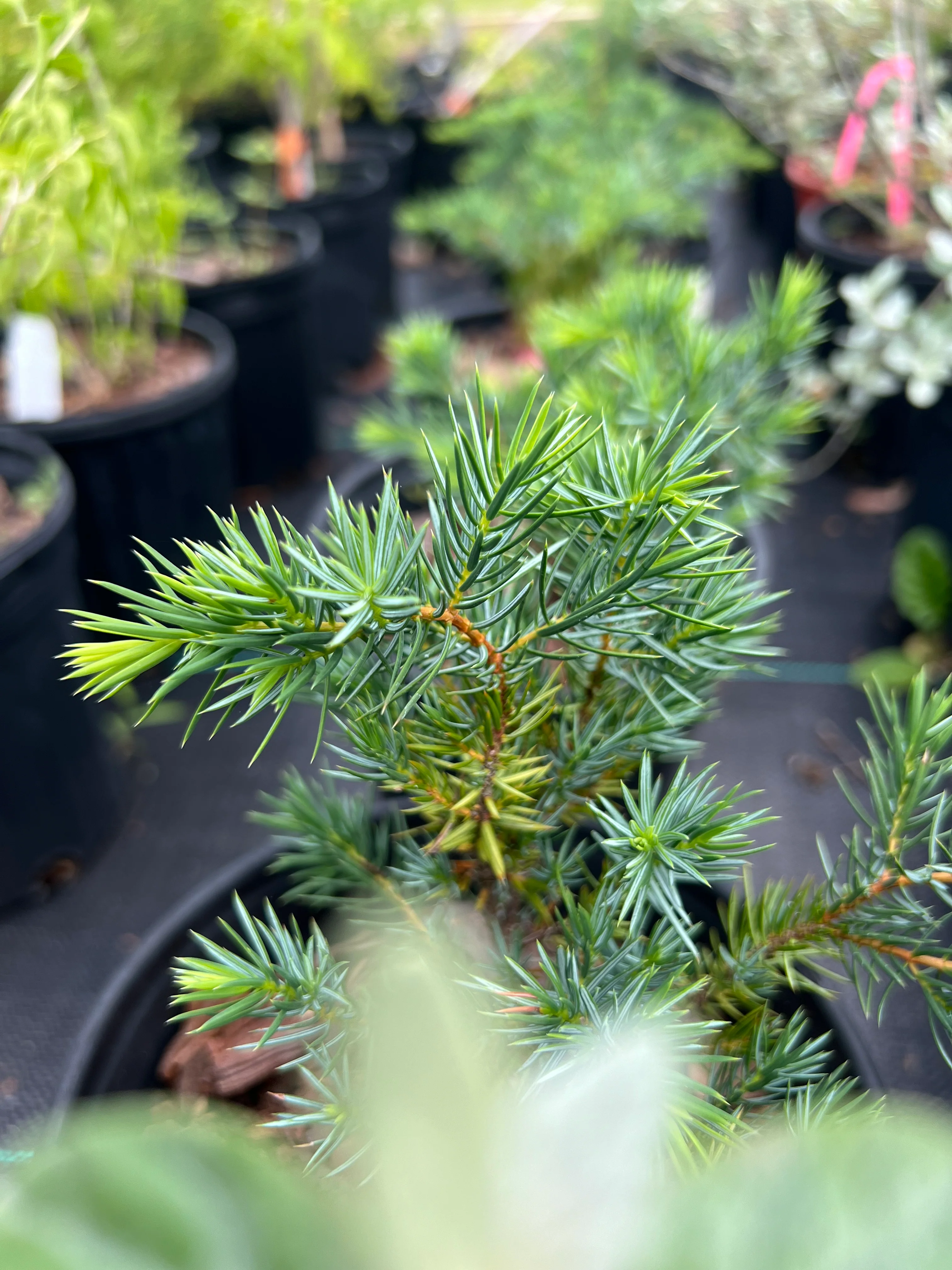
The foliage is distinctive: short, narrow, and sharply pointed, typically under an inch long. Leaves are arranged alternately along slender stems, creating a layered, finely textured effect. Their deep green coloration holds beautifully through heat and humidity, and the subtle gloss adds quiet sophistication without flash.
Up close, the leaves reveal their defining feature—the acute tip that gives the species its name. The effect is crisp but not coarse, making it particularly effective in modern or restrained planting schemes.
Photo: University of British Columbia Botanical Garden, Vancouver, June 2023). Image John Grimshaw
A refined and rarely offered evergreen from New Zealand, Podocarpus acutifolius forms a dense, finely textured silhouette with short, sharp-tipped leaves that give it a crisp, architectural presence. Heat-tolerant and well-suited to the southern United States when properly sited, this uncommon conifer offers structure, restraint, and year-round depth in the landscape.
The Plant
Commonly known as Needle-leaved Tōtara, Podocarpus acutifolius is native to New Zealand’s South Island, where it inhabits well-drained slopes, rocky outcrops, and forest margins. Unlike the towering tōtara trees of its homeland, this species typically forms a compact, dense shrub or small tree, with a tight branching habit and naturally composed form.
The foliage is distinctive: short, narrow, and sharply pointed, typically under an inch long. Leaves are arranged alternately along slender stems, creating a layered, finely textured effect. Their deep green coloration holds beautifully through heat and humidity, and the subtle gloss adds quiet sophistication without flash.
Up close, the leaves reveal their defining feature—the acute tip that gives the species its name. The effect is crisp but not coarse, making it particularly effective in modern or restrained planting schemes.
Photo: University of British Columbia Botanical Garden, Vancouver, June 2023). Image John Grimshaw
Original: $34.00
-70%$34.00
$10.20Description
A refined and rarely offered evergreen from New Zealand, Podocarpus acutifolius forms a dense, finely textured silhouette with short, sharp-tipped leaves that give it a crisp, architectural presence. Heat-tolerant and well-suited to the southern United States when properly sited, this uncommon conifer offers structure, restraint, and year-round depth in the landscape.
The Plant
Commonly known as Needle-leaved Tōtara, Podocarpus acutifolius is native to New Zealand’s South Island, where it inhabits well-drained slopes, rocky outcrops, and forest margins. Unlike the towering tōtara trees of its homeland, this species typically forms a compact, dense shrub or small tree, with a tight branching habit and naturally composed form.
The foliage is distinctive: short, narrow, and sharply pointed, typically under an inch long. Leaves are arranged alternately along slender stems, creating a layered, finely textured effect. Their deep green coloration holds beautifully through heat and humidity, and the subtle gloss adds quiet sophistication without flash.
Up close, the leaves reveal their defining feature—the acute tip that gives the species its name. The effect is crisp but not coarse, making it particularly effective in modern or restrained planting schemes.
Photo: University of British Columbia Botanical Garden, Vancouver, June 2023). Image John Grimshaw