Eurybia spinulosa
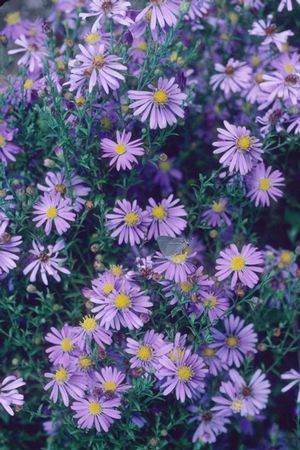
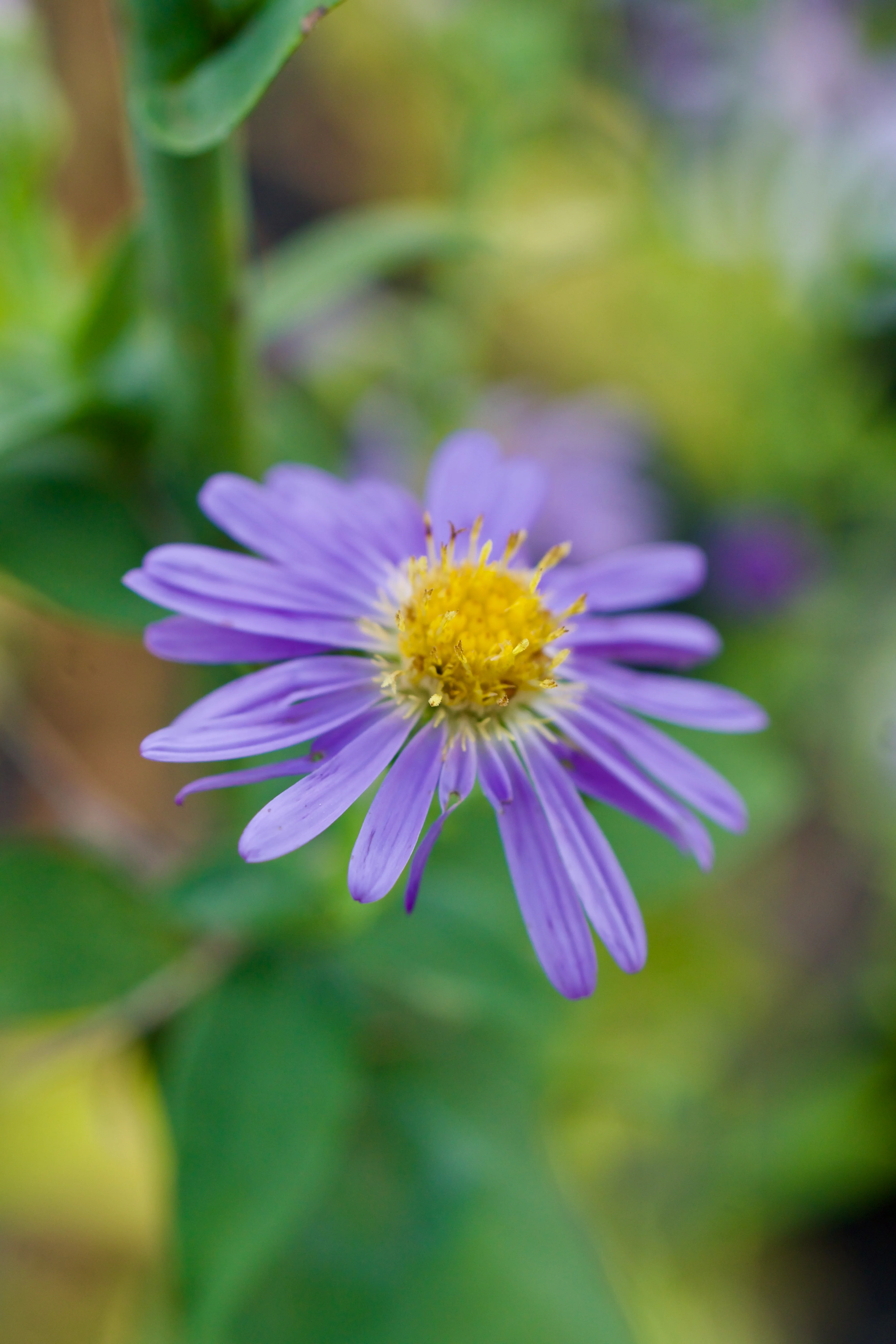
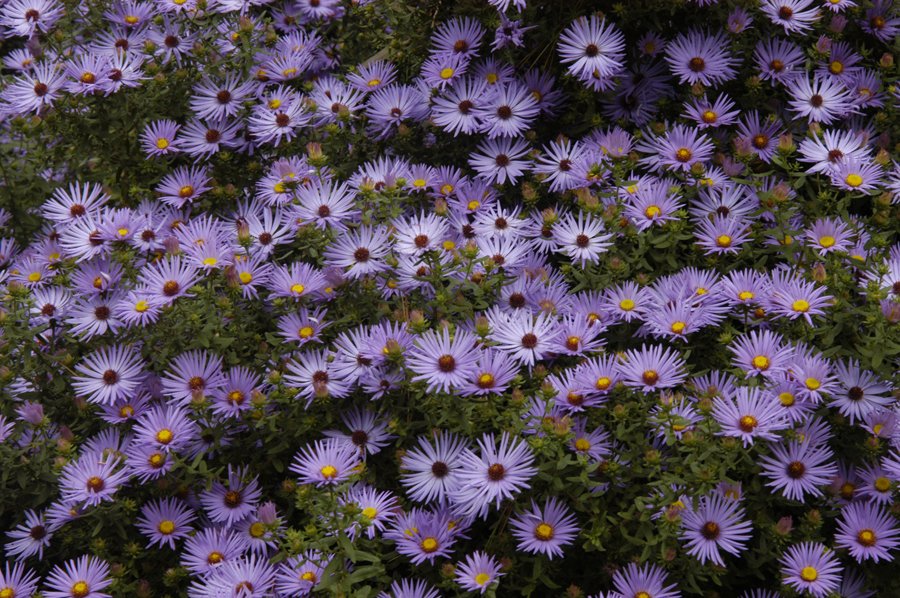
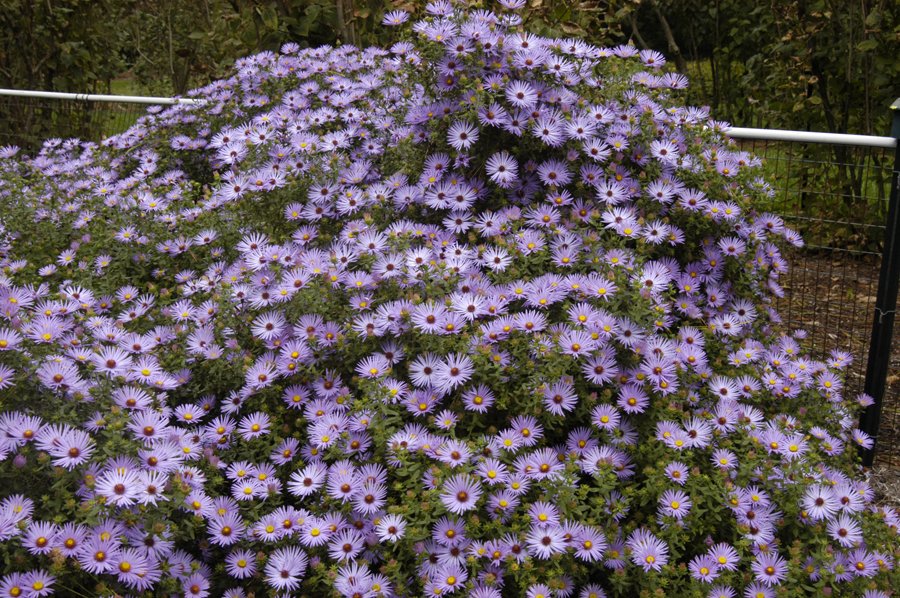
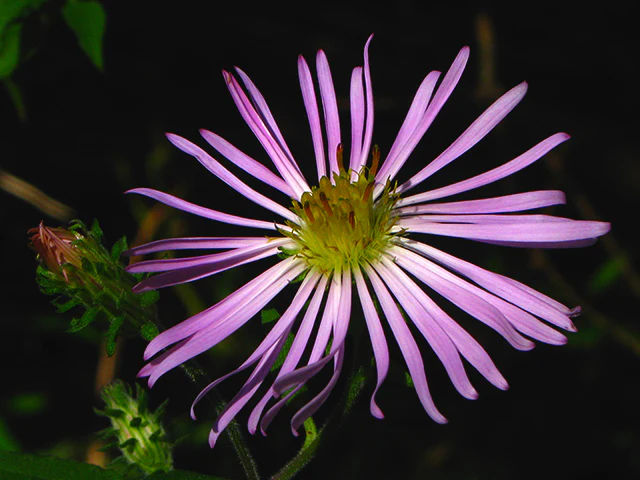
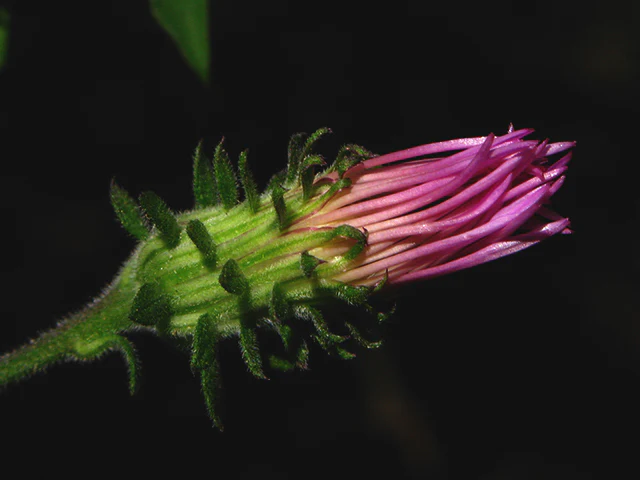
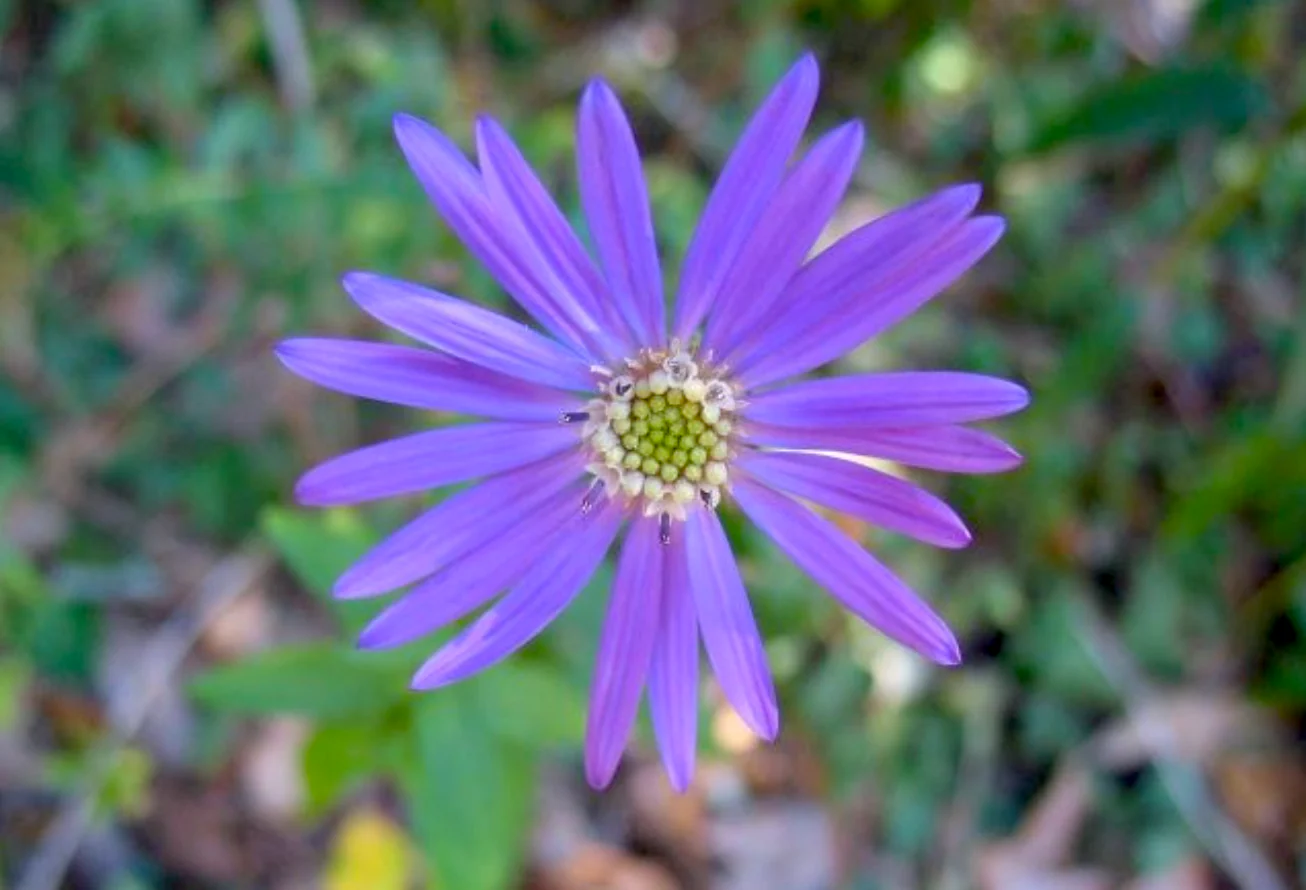
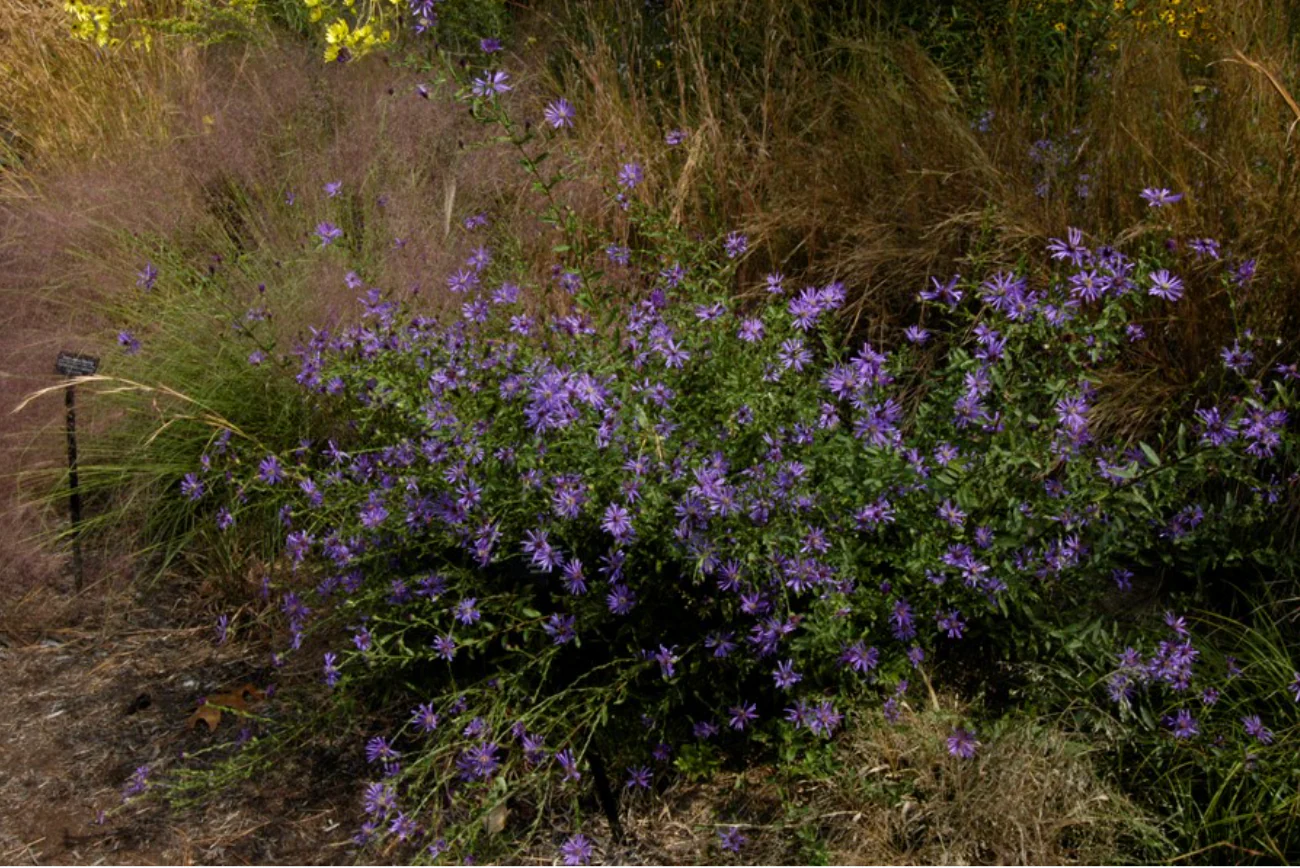
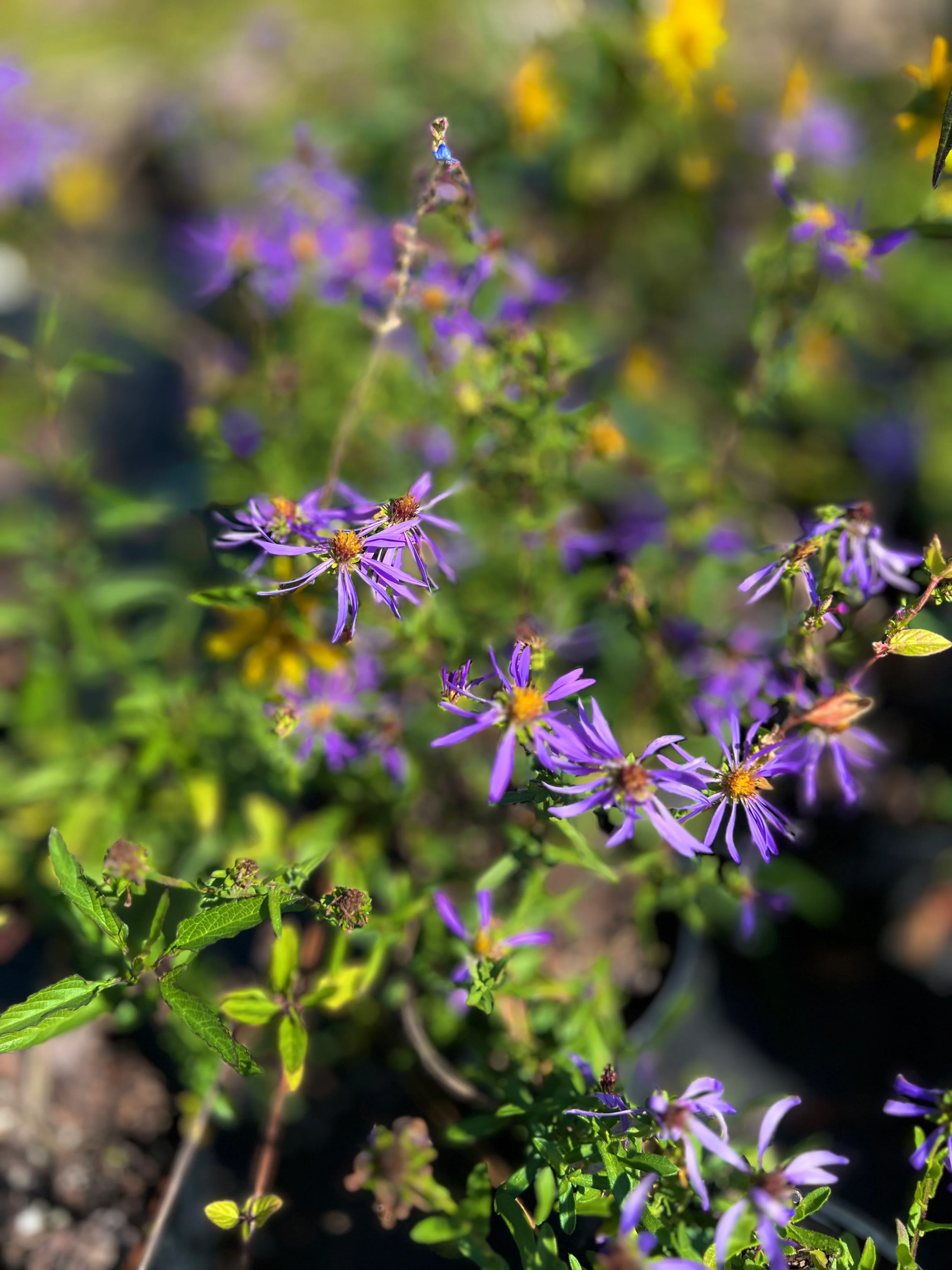
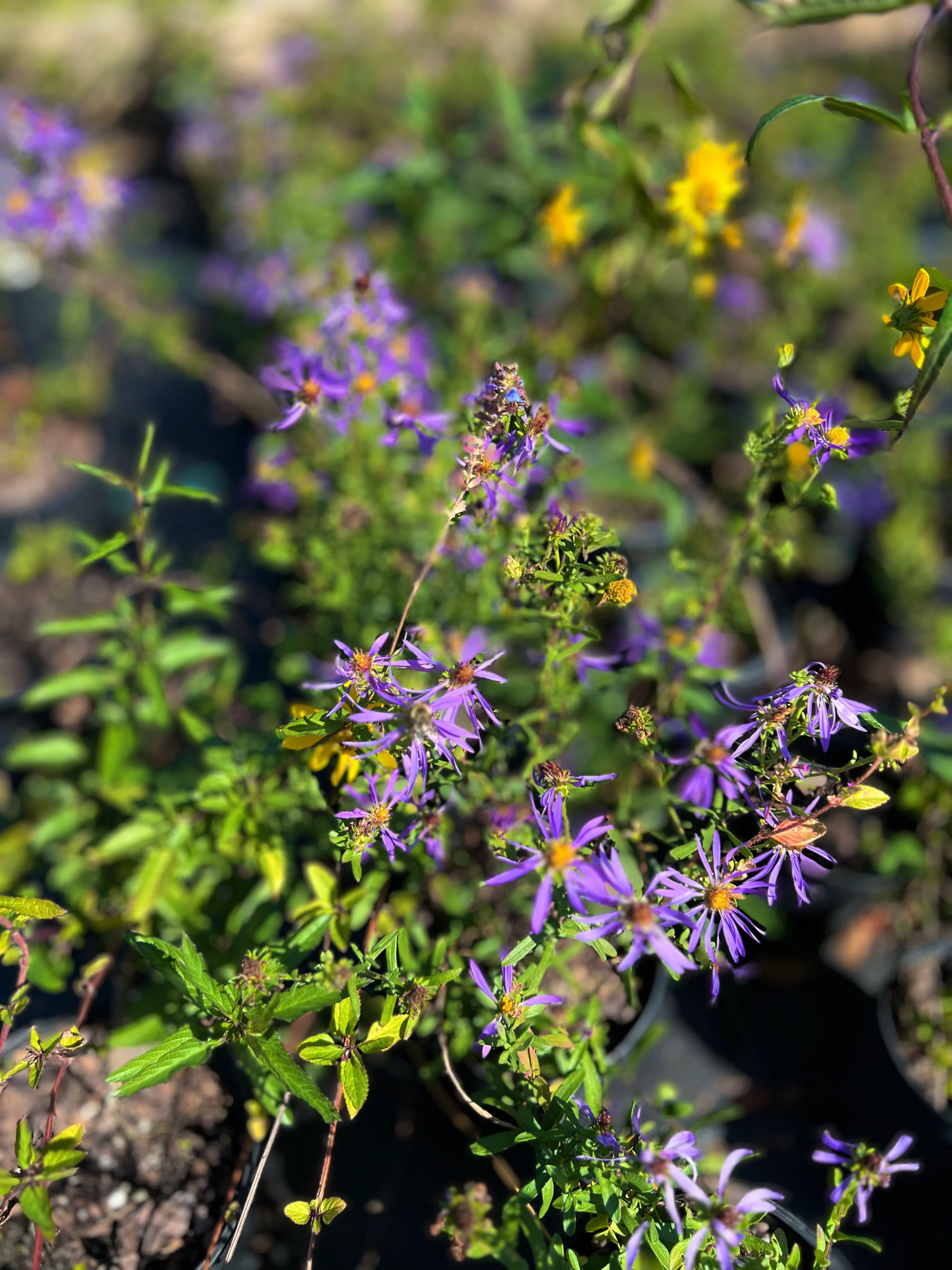
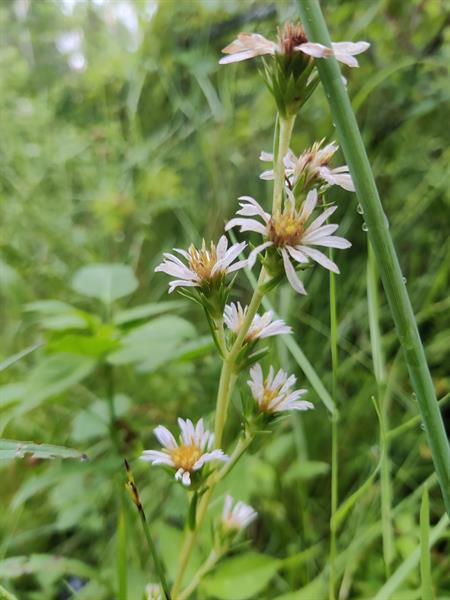
This very rare aster (now Eurybia) is endemic to Florida's lower Appalachicola River area. It occurs in moist pine flatwoods. It is unique in that the clumping foot tall foliage appears to be stiff srass, quite unlike other asters. The flower spikes bearing clusters of 1" wide purple flowers appear above the foliage in late summer. It has grown well and multiplied in continers here and should grow well in a sunny garden bed with sandy soil. Rare in nature, this plant is probably even more rare, and maybe heretofore unknown in cultivation so we welcome your reports.
Our current stock is from a wild collection Bob McCartney sourced in southern Georgia - this stock has been growing at the nursery for about 10 years.
This very rare aster (now Eurybia) is endemic to Florida's lower Appalachicola River area. It occurs in moist pine flatwoods. It is unique in that the clumping foot tall foliage appears to be stiff srass, quite unlike other asters. The flower spikes bearing clusters of 1" wide purple flowers appear above the foliage in late summer. It has grown well and multiplied in continers here and should grow well in a sunny garden bed with sandy soil. Rare in nature, this plant is probably even more rare, and maybe heretofore unknown in cultivation so we welcome your reports.
Our current stock is from a wild collection Bob McCartney sourced in southern Georgia - this stock has been growing at the nursery for about 10 years.
Description
This very rare aster (now Eurybia) is endemic to Florida's lower Appalachicola River area. It occurs in moist pine flatwoods. It is unique in that the clumping foot tall foliage appears to be stiff srass, quite unlike other asters. The flower spikes bearing clusters of 1" wide purple flowers appear above the foliage in late summer. It has grown well and multiplied in continers here and should grow well in a sunny garden bed with sandy soil. Rare in nature, this plant is probably even more rare, and maybe heretofore unknown in cultivation so we welcome your reports.
Our current stock is from a wild collection Bob McCartney sourced in southern Georgia - this stock has been growing at the nursery for about 10 years.