Baptisia alba
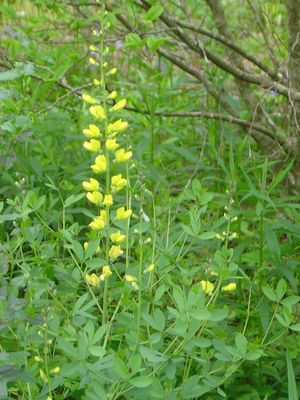
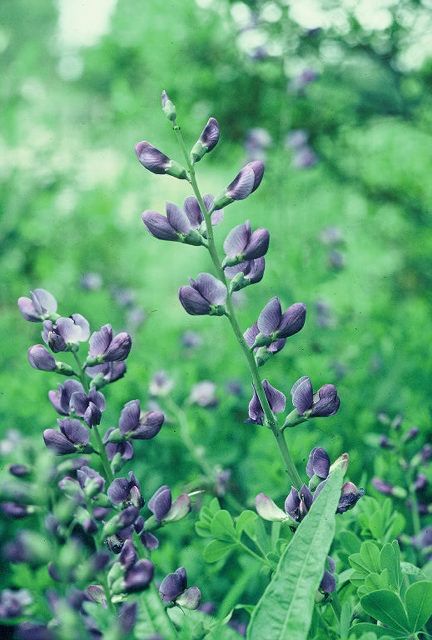
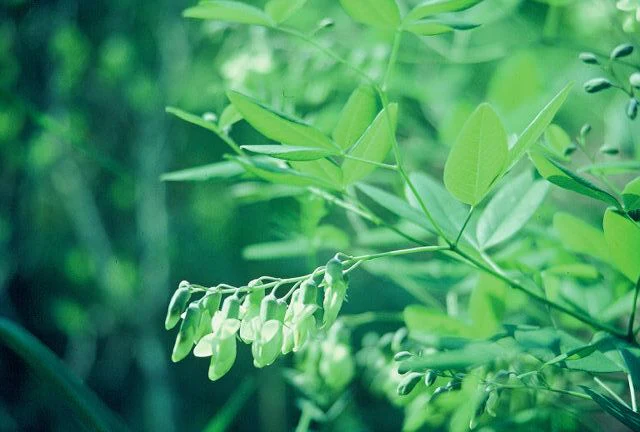
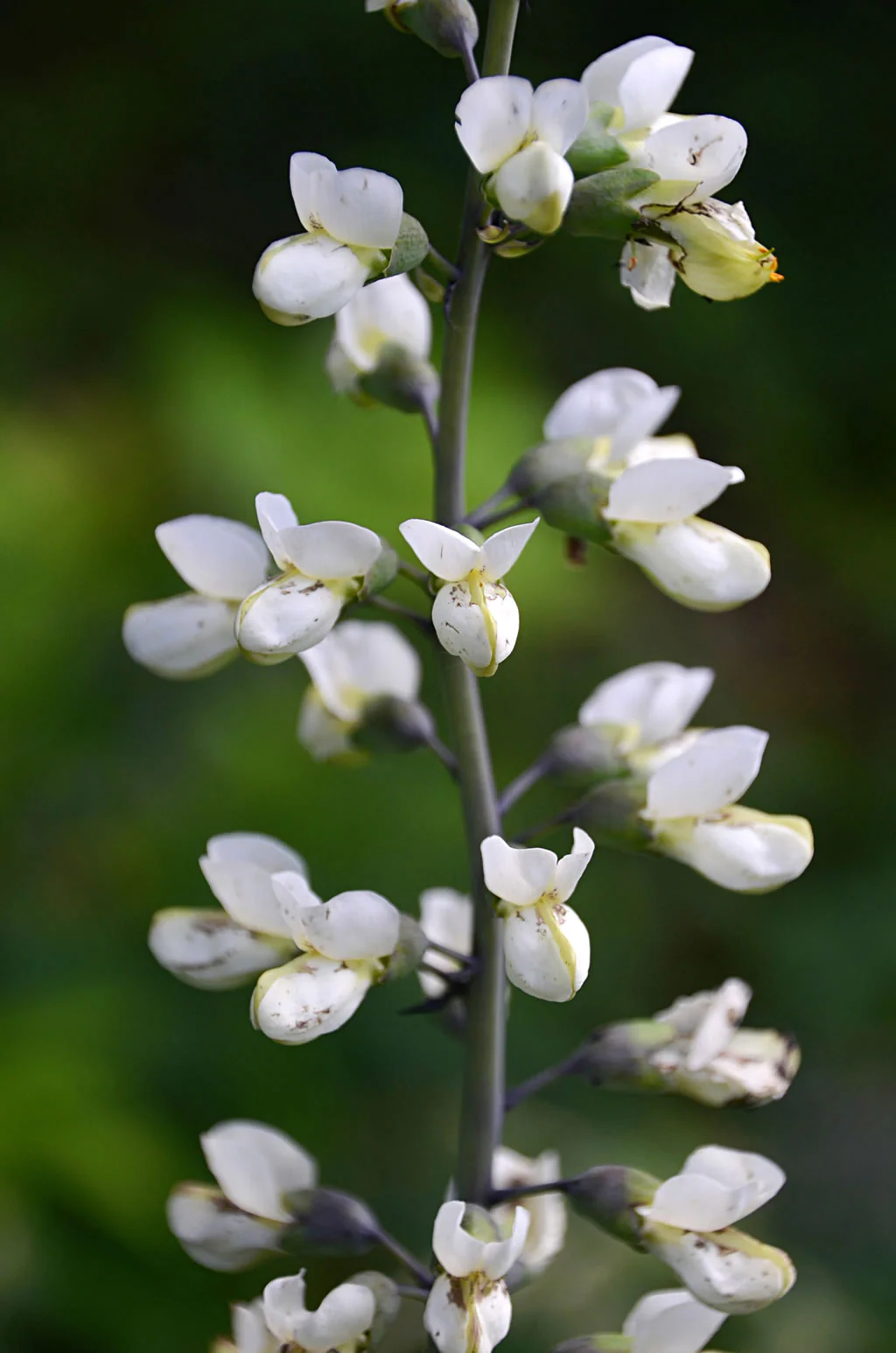
Baptisia alba, or White Wild Indigo, is a striking native perennial known for its tall spires of white, pea-like flowers and deep blue-green foliage. Native to the eastern and central U.S., it has a rich history as a dye plant, used by Native American tribes and early settlers as a substitute for true indigo. Its name, derived from the Greek "bapto" (to dip), reflects this historic role.
Beyond its beauty, Baptisia alba enriches soil by fixing nitrogen and attracts pollinators like bees and butterflies. Drought-tolerant and low-maintenance, this long-lived plant is perfect for gardens or naturalized landscapes. By planting Baptisia alba, you’re cultivating a piece of American history and supporting local ecosystems with year-round garden interest.
Photo courtesy of David Brenda
Baptisia alba, or White Wild Indigo, is a striking native perennial known for its tall spires of white, pea-like flowers and deep blue-green foliage. Native to the eastern and central U.S., it has a rich history as a dye plant, used by Native American tribes and early settlers as a substitute for true indigo. Its name, derived from the Greek "bapto" (to dip), reflects this historic role.
Beyond its beauty, Baptisia alba enriches soil by fixing nitrogen and attracts pollinators like bees and butterflies. Drought-tolerant and low-maintenance, this long-lived plant is perfect for gardens or naturalized landscapes. By planting Baptisia alba, you’re cultivating a piece of American history and supporting local ecosystems with year-round garden interest.
Photo courtesy of David Brenda
Original: $68.00
-70%$68.00
$20.40Description
Baptisia alba, or White Wild Indigo, is a striking native perennial known for its tall spires of white, pea-like flowers and deep blue-green foliage. Native to the eastern and central U.S., it has a rich history as a dye plant, used by Native American tribes and early settlers as a substitute for true indigo. Its name, derived from the Greek "bapto" (to dip), reflects this historic role.
Beyond its beauty, Baptisia alba enriches soil by fixing nitrogen and attracts pollinators like bees and butterflies. Drought-tolerant and low-maintenance, this long-lived plant is perfect for gardens or naturalized landscapes. By planting Baptisia alba, you’re cultivating a piece of American history and supporting local ecosystems with year-round garden interest.
Photo courtesy of David Brenda