Buddleja salviifolia
Sage-Leaf Butterfly Bush – A South African Beauty with Noble Foliage
Buddleja salviifolia, the Sage-Leaf Butterfly Bush, is a medium to large evergreen shrub hailing from the wild, sun-soaked hillsides of South Africa. Though exotic in origin, it has proven remarkably hardy in southeastern U.S. gardens, withstanding winters at the University of Georgia’s trial gardens in Athens with a quiet resilience.
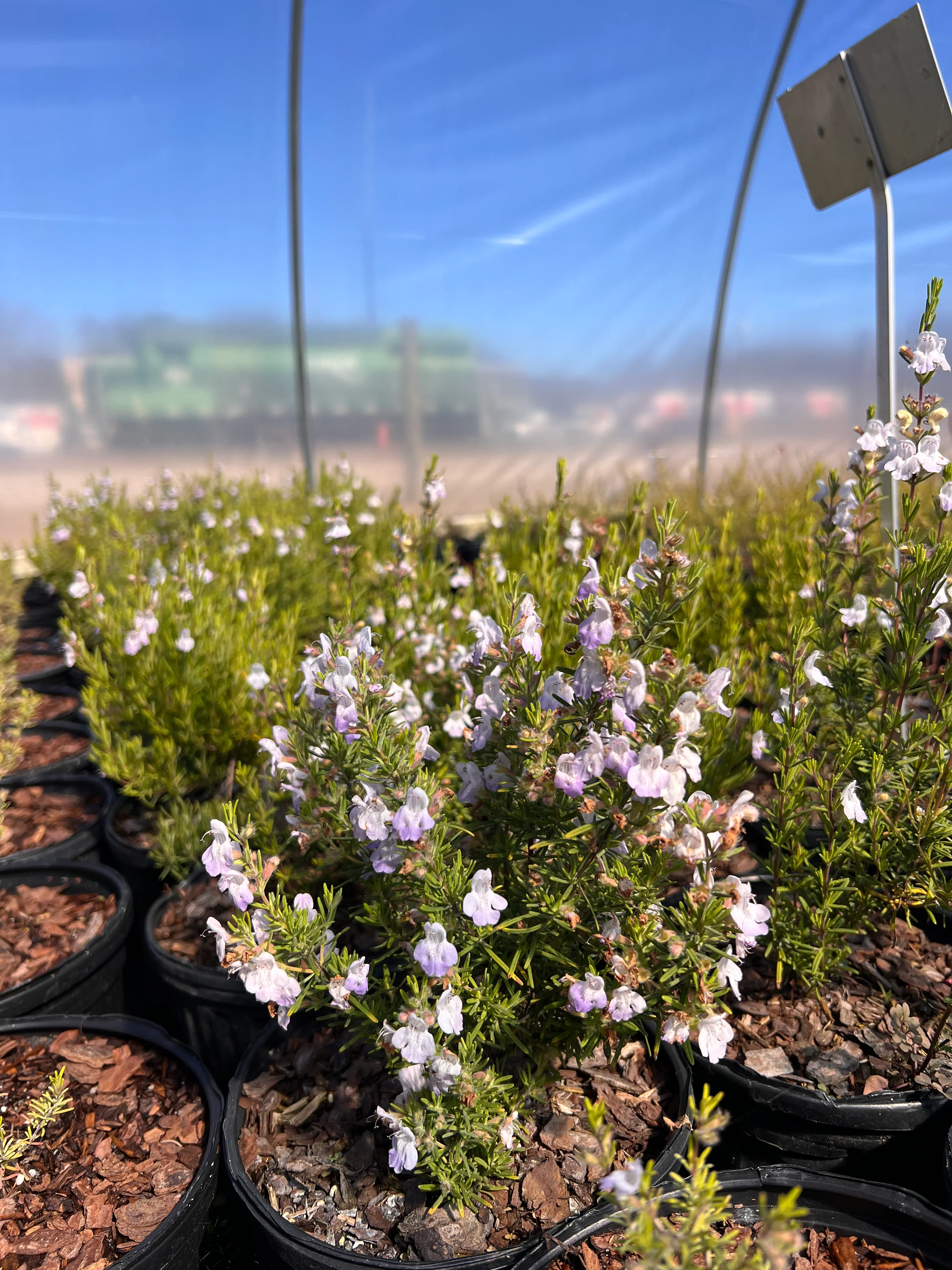
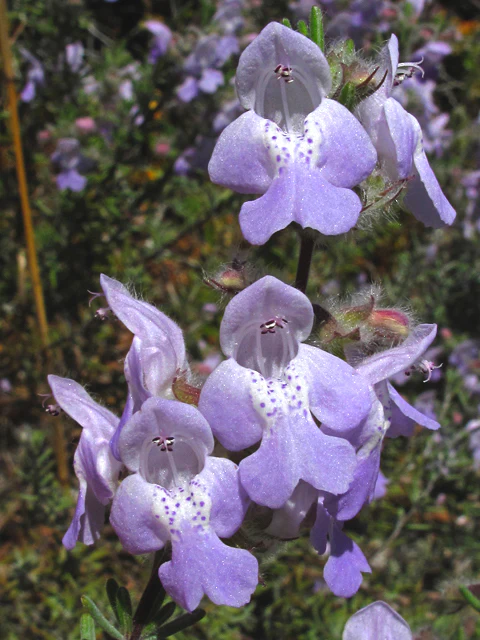
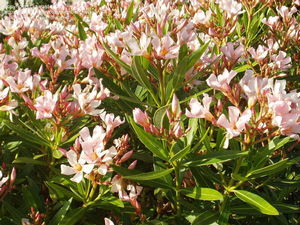
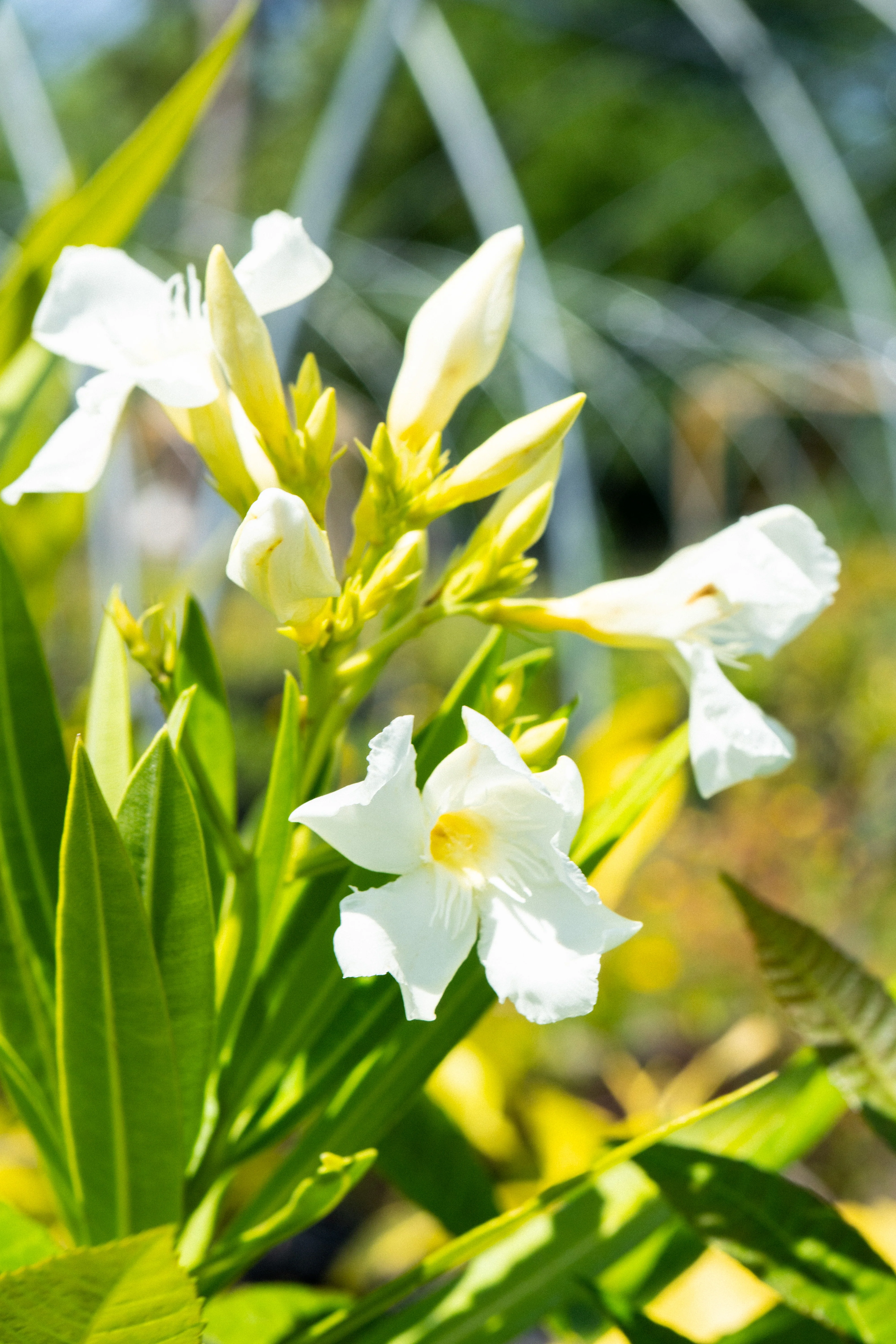
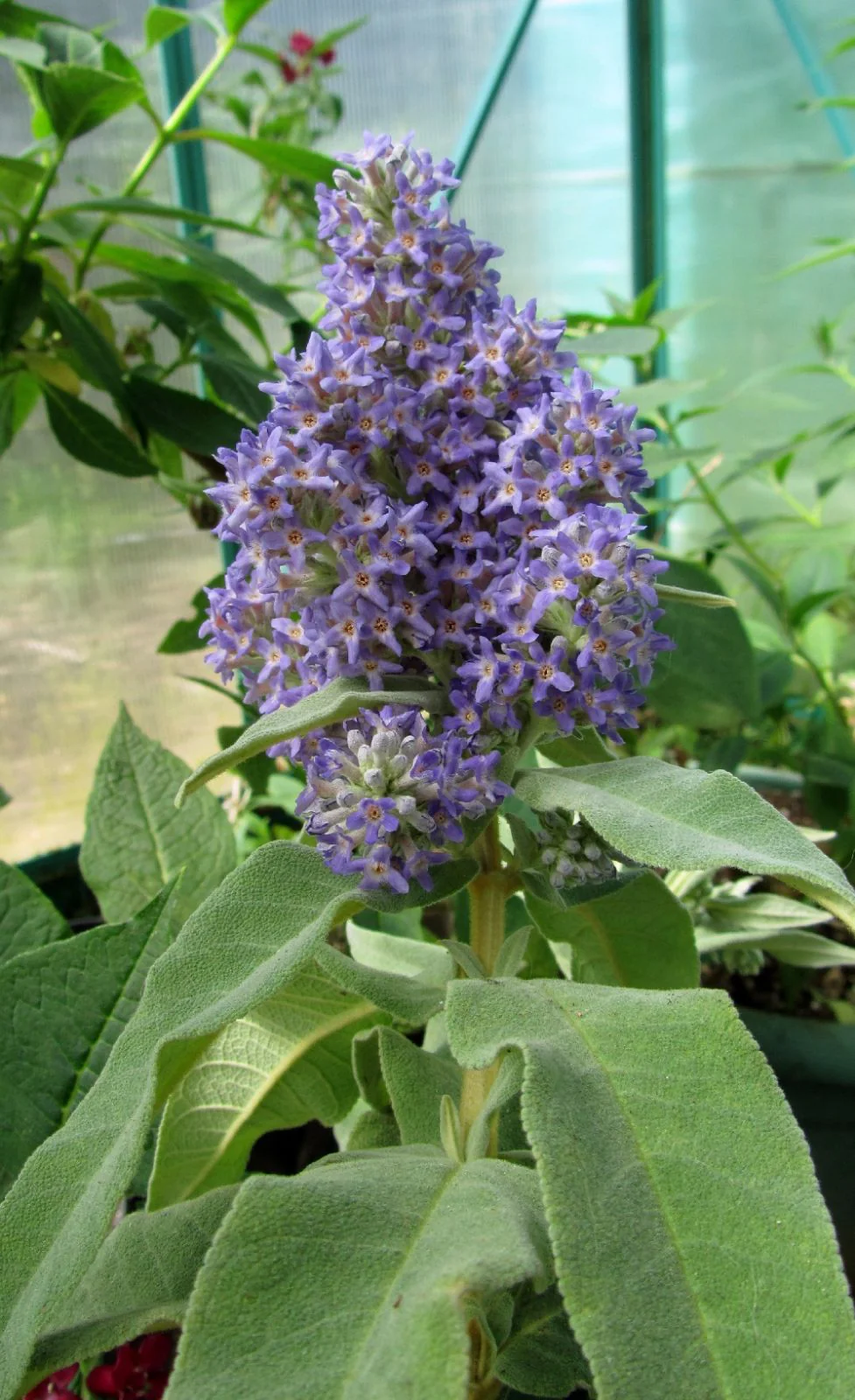
In late spring to early summer, this bold yet refined shrub produces airy clusters of pale lavender flowers—modest in fragrance, but subtle and soft in tone. Yet it is not the bloom, but the foliage, that captures the imagination.
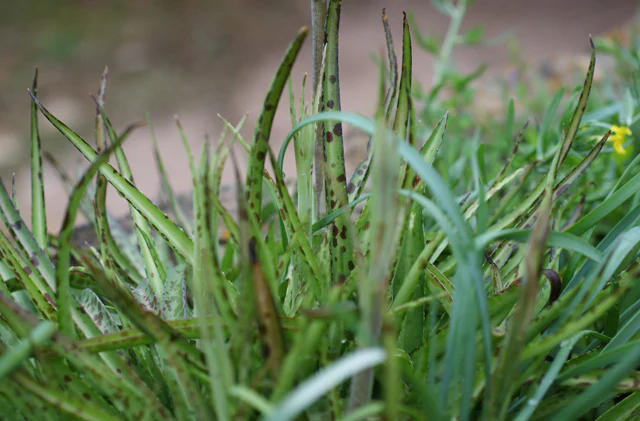
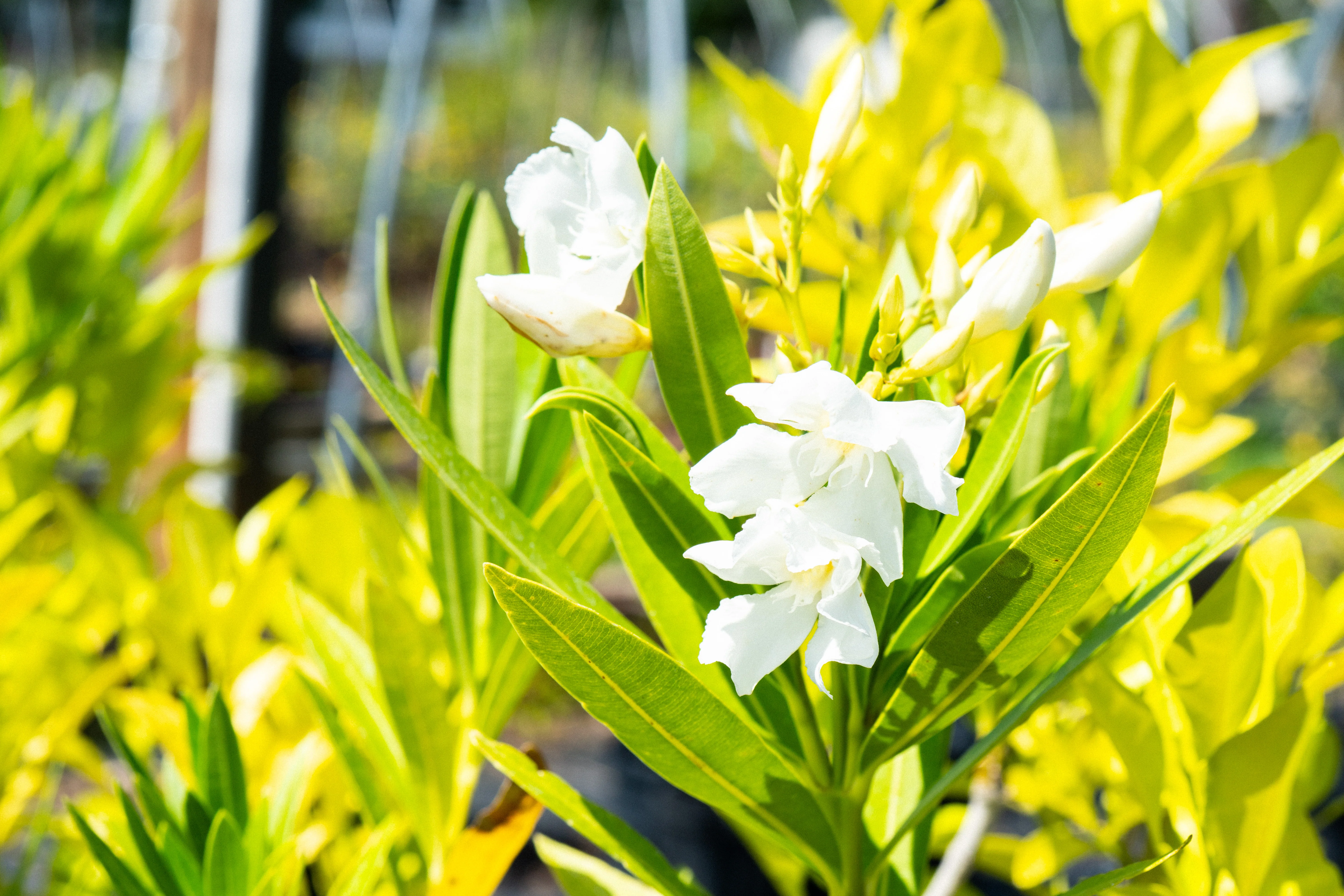
Cloaked in long, sage-like leaves, softly textured and silvered beneath, Buddleja salvifolia offers a visual poetry few shrubs can rival. As the esteemed Dr. Michael Dirr once noted, “All visitors to our trials have become enamored with the foliage.” Indeed, this is a plant as much for the connoisseur as for the common gardener.
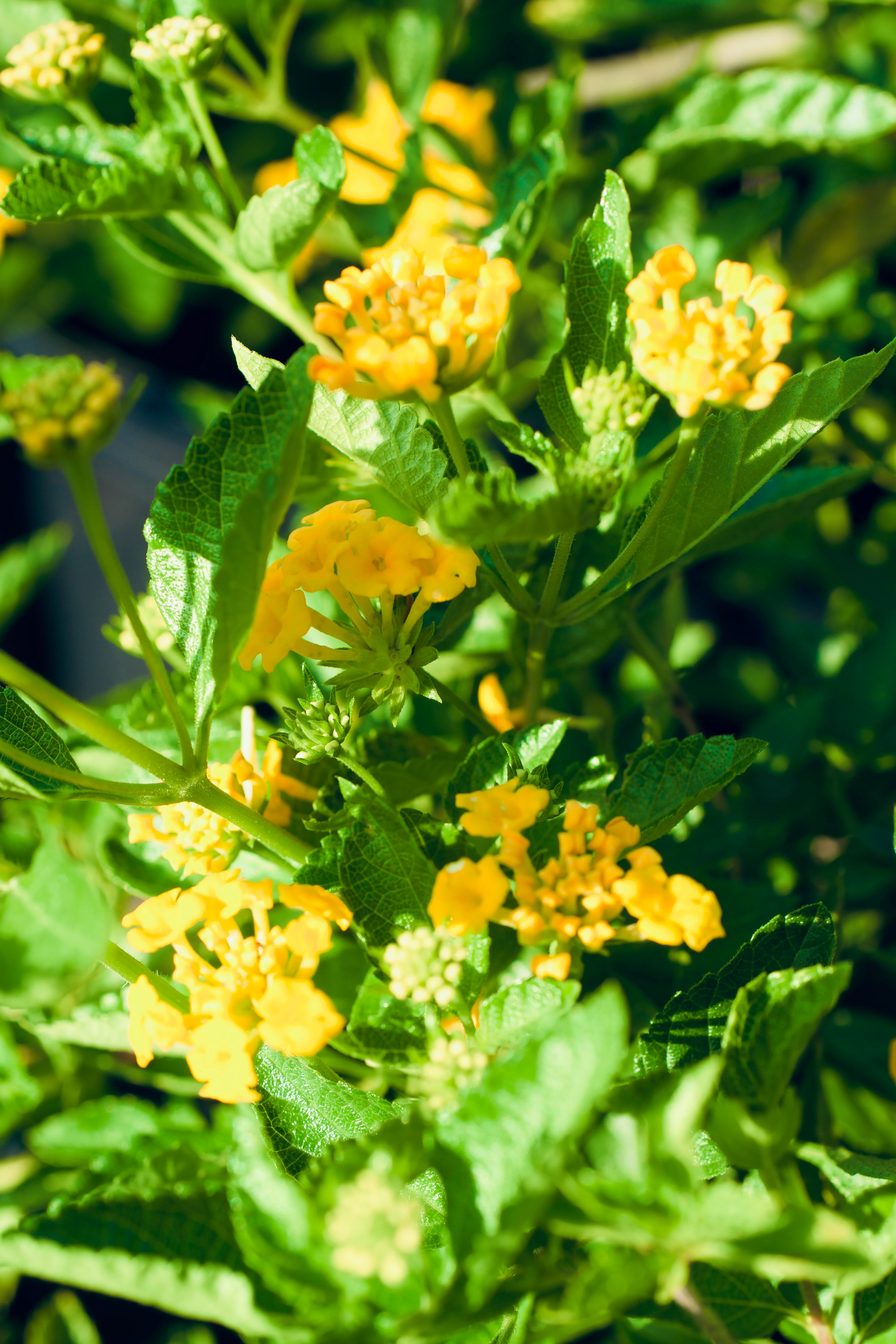
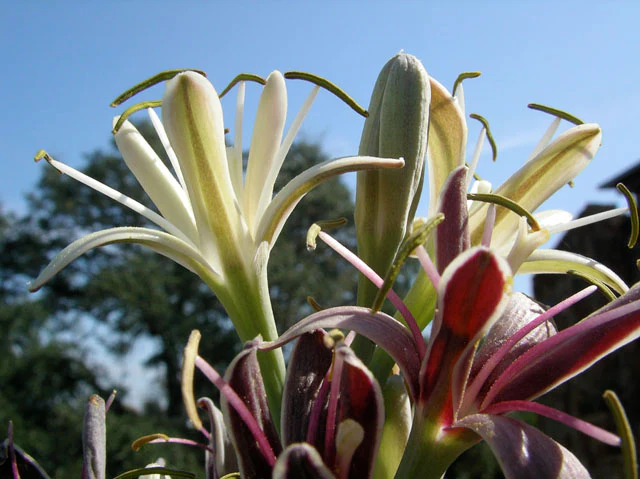
Photos courtesy of Jullian Sutton and John Wursten.
Plant it in a sunny location with well-drained soil, and allow it space to grow into its natural form. This shrub lends itself to dry borders, Mediterranean-inspired gardens, or as a stand-alone specimen where its form and texture can be fully appreciated.
Native Range: South Africa
Growth Habit: Medium to large shrub; upright and architectural
Landscape Use: Specimen shrub, dry gardens, wildlife gardens, texture contrast
Sage-Leaf Butterfly Bush – A South African Beauty with Noble Foliage
Buddleja salviifolia, the Sage-Leaf Butterfly Bush, is a medium to large evergreen shrub hailing from the wild, sun-soaked hillsides of South Africa. Though exotic in origin, it has proven remarkably hardy in southeastern U.S. gardens, withstanding winters at the University of Georgia’s trial gardens in Athens with a quiet resilience.
In late spring to early summer, this bold yet refined shrub produces airy clusters of pale lavender flowers—modest in fragrance, but subtle and soft in tone. Yet it is not the bloom, but the foliage, that captures the imagination.
Cloaked in long, sage-like leaves, softly textured and silvered beneath, Buddleja salvifolia offers a visual poetry few shrubs can rival. As the esteemed Dr. Michael Dirr once noted, “All visitors to our trials have become enamored with the foliage.” Indeed, this is a plant as much for the connoisseur as for the common gardener.
Photos courtesy of Jullian Sutton and John Wursten.
Plant it in a sunny location with well-drained soil, and allow it space to grow into its natural form. This shrub lends itself to dry borders, Mediterranean-inspired gardens, or as a stand-alone specimen where its form and texture can be fully appreciated.
Native Range: South Africa
Growth Habit: Medium to large shrub; upright and architectural
Landscape Use: Specimen shrub, dry gardens, wildlife gardens, texture contrast
Original: $96.00
-70%$96.00
$28.80Description
Sage-Leaf Butterfly Bush – A South African Beauty with Noble Foliage
Buddleja salviifolia, the Sage-Leaf Butterfly Bush, is a medium to large evergreen shrub hailing from the wild, sun-soaked hillsides of South Africa. Though exotic in origin, it has proven remarkably hardy in southeastern U.S. gardens, withstanding winters at the University of Georgia’s trial gardens in Athens with a quiet resilience.
In late spring to early summer, this bold yet refined shrub produces airy clusters of pale lavender flowers—modest in fragrance, but subtle and soft in tone. Yet it is not the bloom, but the foliage, that captures the imagination.
Cloaked in long, sage-like leaves, softly textured and silvered beneath, Buddleja salvifolia offers a visual poetry few shrubs can rival. As the esteemed Dr. Michael Dirr once noted, “All visitors to our trials have become enamored with the foliage.” Indeed, this is a plant as much for the connoisseur as for the common gardener.
Photos courtesy of Jullian Sutton and John Wursten.
Plant it in a sunny location with well-drained soil, and allow it space to grow into its natural form. This shrub lends itself to dry borders, Mediterranean-inspired gardens, or as a stand-alone specimen where its form and texture can be fully appreciated.
Native Range: South Africa
Growth Habit: Medium to large shrub; upright and architectural
Landscape Use: Specimen shrub, dry gardens, wildlife gardens, texture contrast