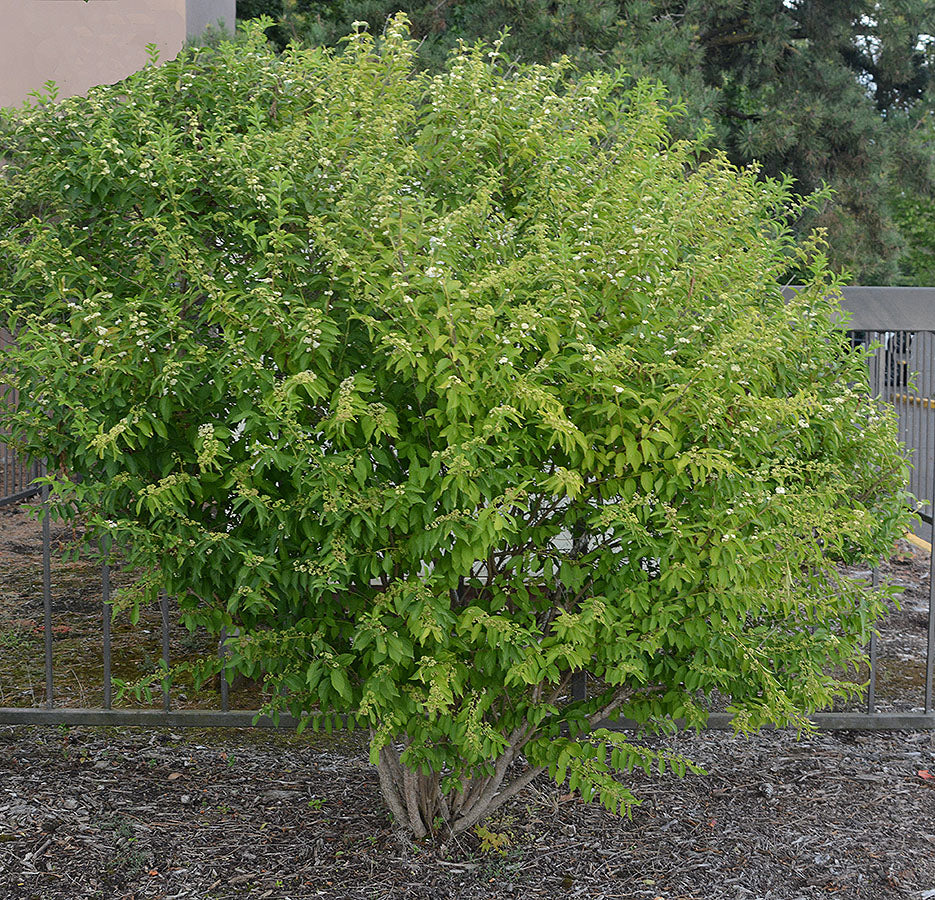
Callicarpa dichotoma 'Albifructus'
A Gentleman’s Beautyberry: Rare White-Fruited Elegance for the Discerning Garden
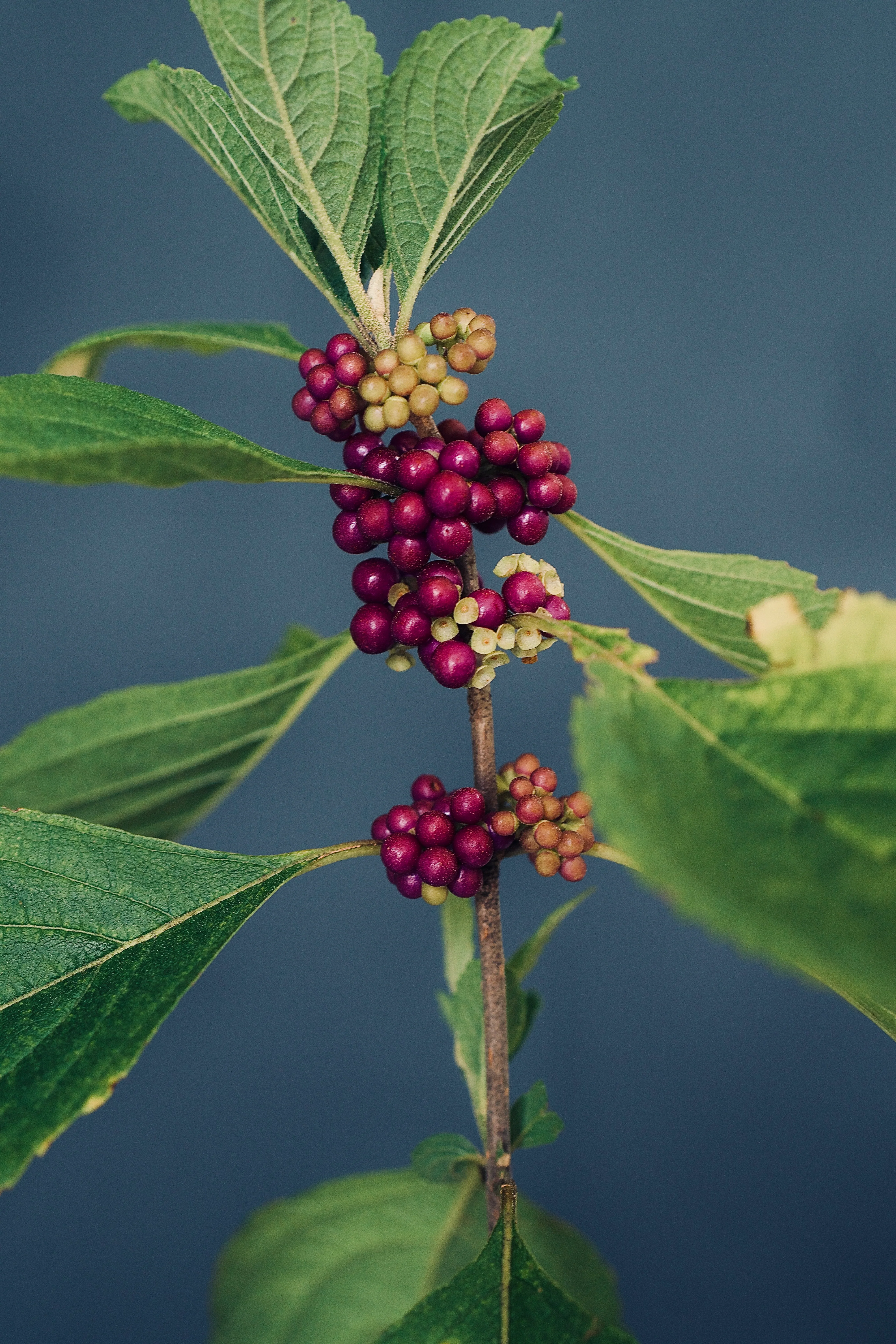
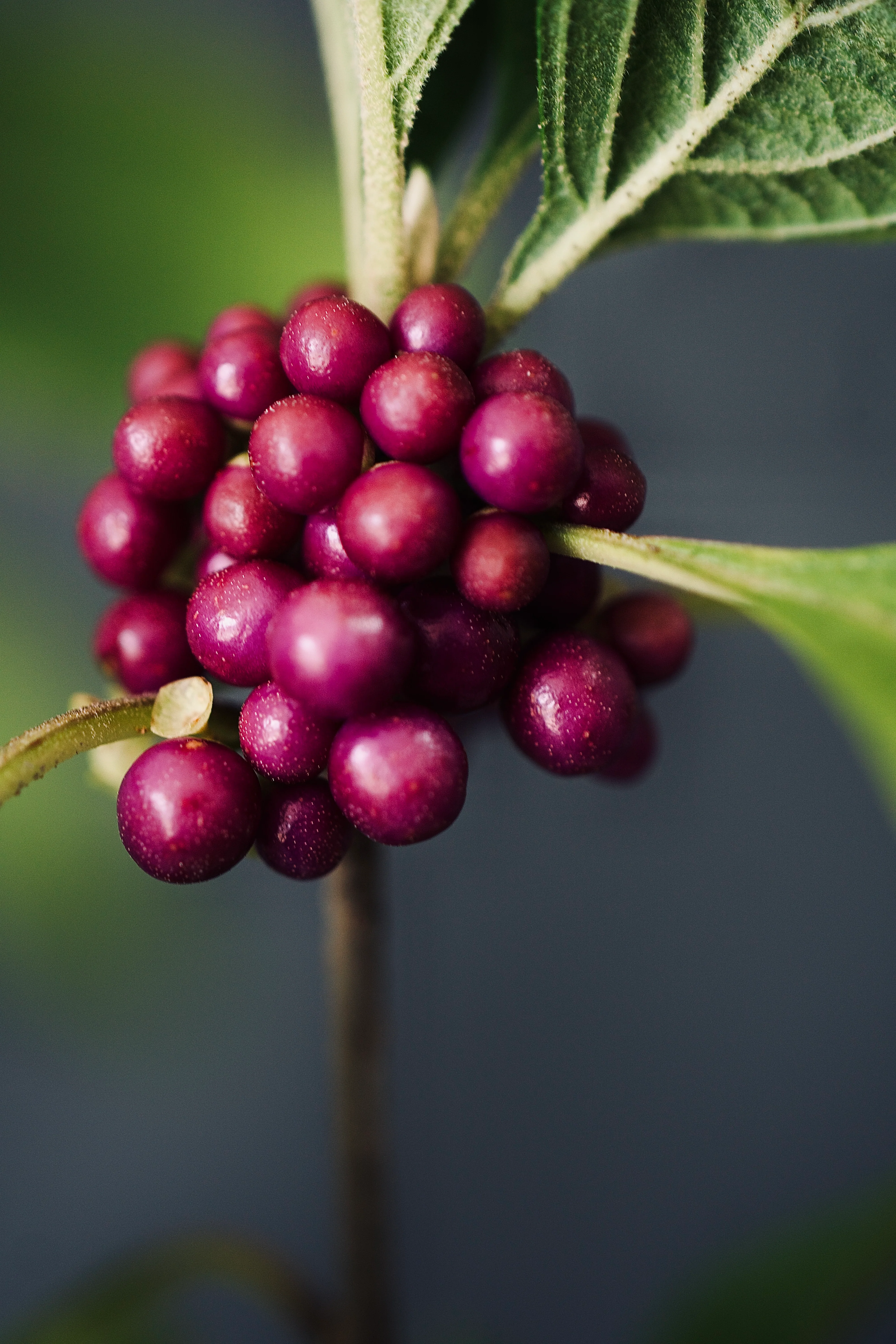
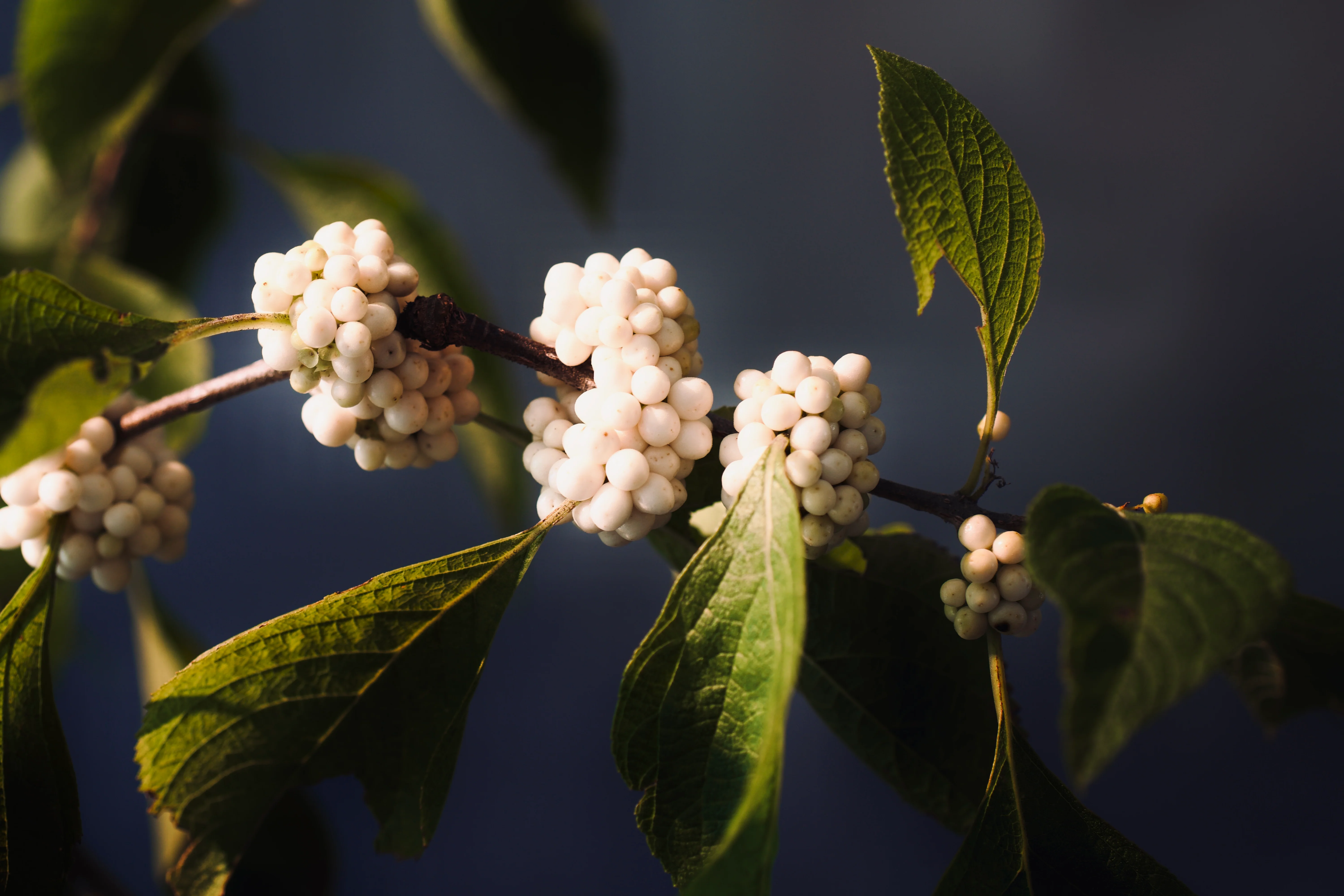
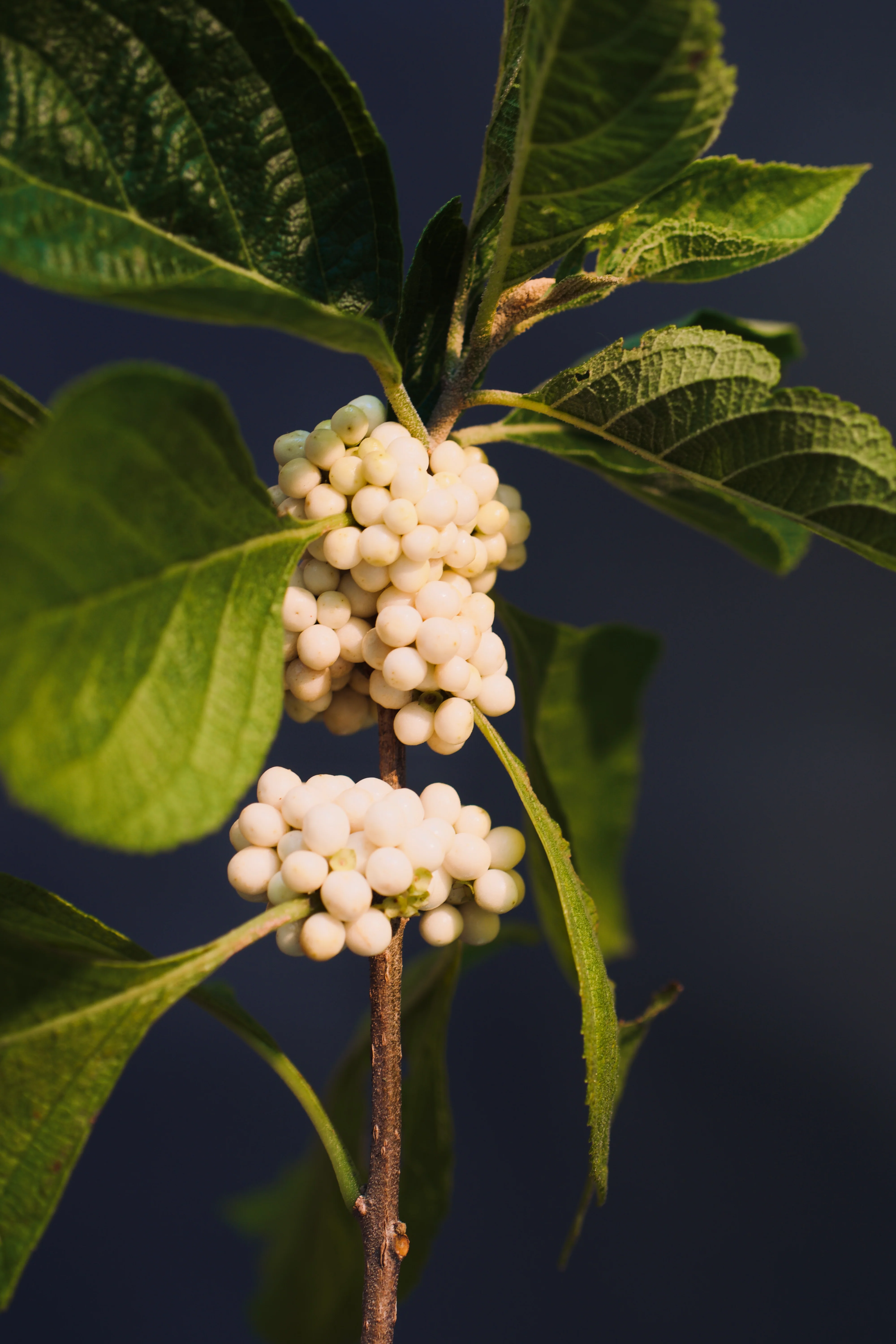
In the quiet, golden hush of late summer, when many plants begin their slow fade into autumnal rest, there emerges a quiet miracle among the borders: Callicarpa dichotoma var. albifructus, the rare white-fruited form of the beloved beautyberry. Native to East Asia, this cultivar distinguishes itself with luminous ivory berries that gather in elegant clusters along graceful, arching stems. It is a plant of refinement—less brash than its amethyst-berried cousins, and all the more striking for its restraint.
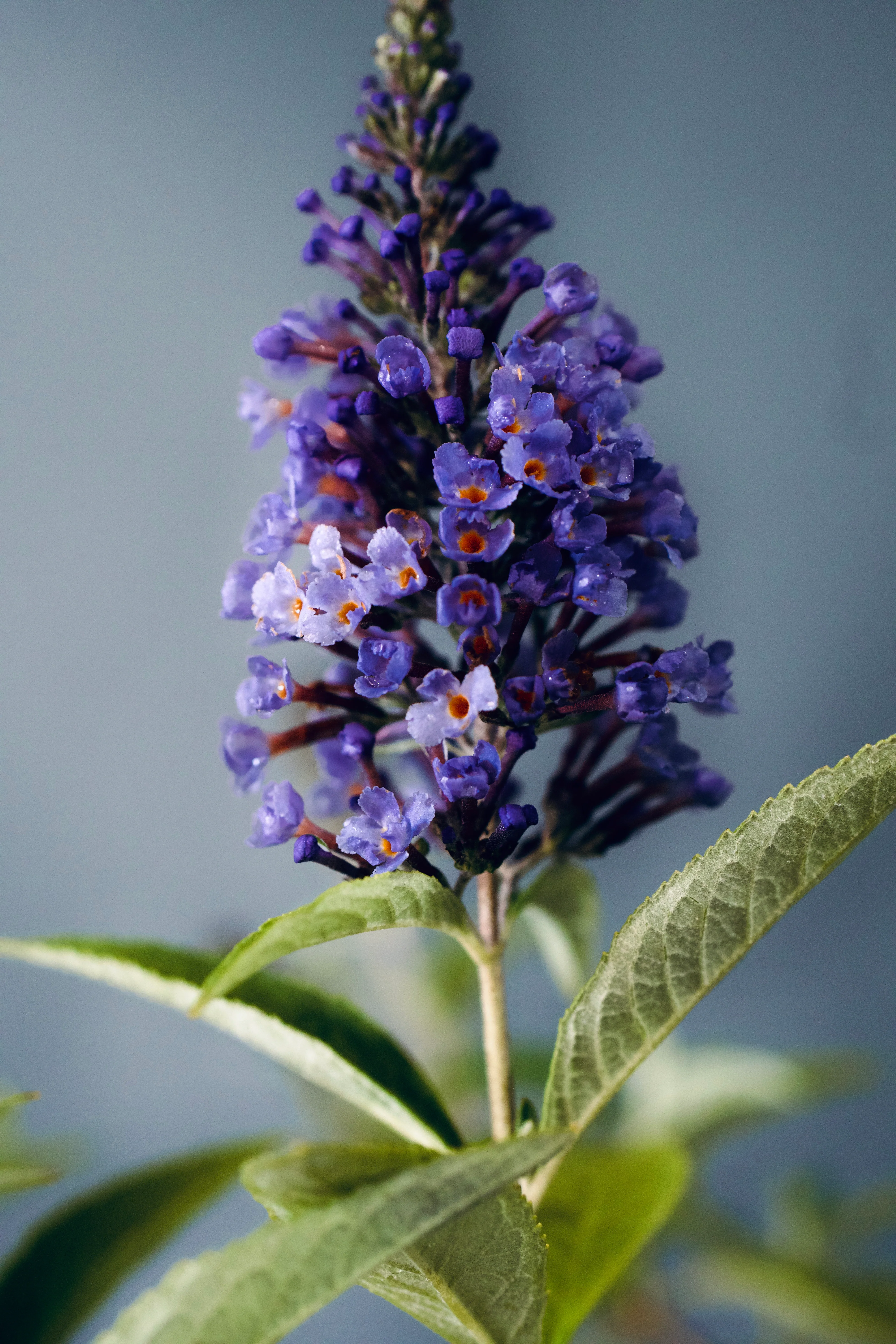
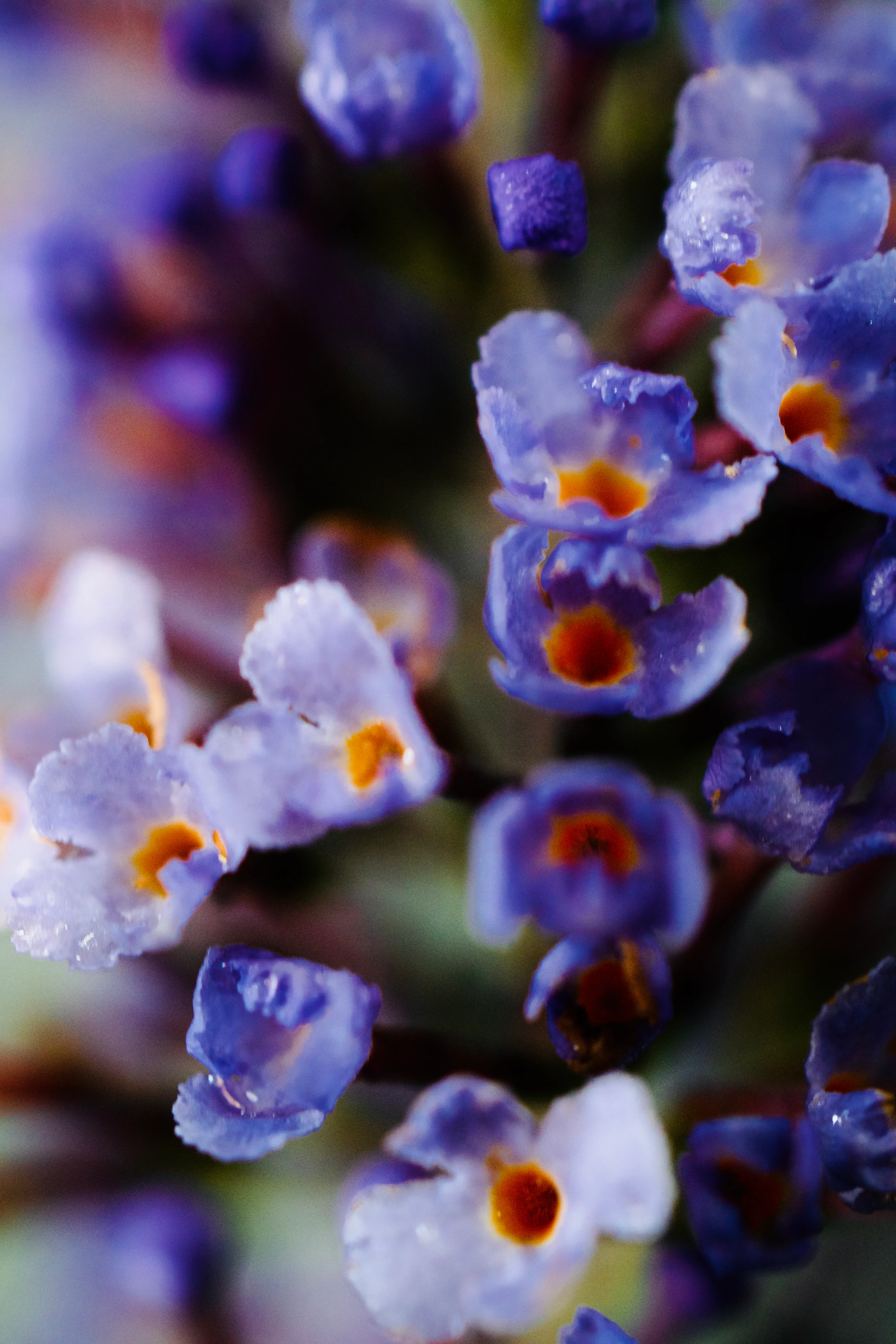
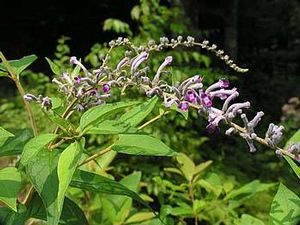
This shrub, modest in stature but bold in visual poetry, deserves pride of place in a woodland garden, cottage border, or even as a hedge in need of a soft, ghostly glow. Birds are drawn to the berries in late fall, but not before they’ve had their turn dazzling human admirers. The plant bears dainty pink-lilac flowers in summer—an understated prelude to the pearl-drop spectacle that follows.
Those who garden not simply for show, but for soul, will understand: this is a plant that speaks in lyric, not proclamation.
Additional photos courtesy of Oregon State University
Highlights:
-
Botanical Name: Callicarpa dichotoma var. albifructus
-
Origin: Eastern Asia (notably Korea, China, and Japan)
-
Distinctive Feature: Clusters of gleaming white berries—rare and elegant
-
Flowers: Pale pink to lavender blooms in summer
-
Wildlife Value: Berries provide late-season food for birds
-
Habit: Graceful, arching growth; typically reaches 3–5 feet tall and wide
-
Light Requirements: Full sun to part shade
-
Soil Needs: Adaptable to a wide range of soils; prefers well-drained conditions
-
Design Tip: Plant en masse or alongside purple-fruited beautyberries for a stunning contrast
A Gentleman’s Beautyberry: Rare White-Fruited Elegance for the Discerning Garden
In the quiet, golden hush of late summer, when many plants begin their slow fade into autumnal rest, there emerges a quiet miracle among the borders: Callicarpa dichotoma var. albifructus, the rare white-fruited form of the beloved beautyberry. Native to East Asia, this cultivar distinguishes itself with luminous ivory berries that gather in elegant clusters along graceful, arching stems. It is a plant of refinement—less brash than its amethyst-berried cousins, and all the more striking for its restraint.
This shrub, modest in stature but bold in visual poetry, deserves pride of place in a woodland garden, cottage border, or even as a hedge in need of a soft, ghostly glow. Birds are drawn to the berries in late fall, but not before they’ve had their turn dazzling human admirers. The plant bears dainty pink-lilac flowers in summer—an understated prelude to the pearl-drop spectacle that follows.
Those who garden not simply for show, but for soul, will understand: this is a plant that speaks in lyric, not proclamation.
Additional photos courtesy of Oregon State University
Highlights:
-
Botanical Name: Callicarpa dichotoma var. albifructus
-
Origin: Eastern Asia (notably Korea, China, and Japan)
-
Distinctive Feature: Clusters of gleaming white berries—rare and elegant
-
Flowers: Pale pink to lavender blooms in summer
-
Wildlife Value: Berries provide late-season food for birds
-
Habit: Graceful, arching growth; typically reaches 3–5 feet tall and wide
-
Light Requirements: Full sun to part shade
-
Soil Needs: Adaptable to a wide range of soils; prefers well-drained conditions
-
Design Tip: Plant en masse or alongside purple-fruited beautyberries for a stunning contrast
Original: $100.00
-70%$100.00
$30.00Description
A Gentleman’s Beautyberry: Rare White-Fruited Elegance for the Discerning Garden
In the quiet, golden hush of late summer, when many plants begin their slow fade into autumnal rest, there emerges a quiet miracle among the borders: Callicarpa dichotoma var. albifructus, the rare white-fruited form of the beloved beautyberry. Native to East Asia, this cultivar distinguishes itself with luminous ivory berries that gather in elegant clusters along graceful, arching stems. It is a plant of refinement—less brash than its amethyst-berried cousins, and all the more striking for its restraint.
This shrub, modest in stature but bold in visual poetry, deserves pride of place in a woodland garden, cottage border, or even as a hedge in need of a soft, ghostly glow. Birds are drawn to the berries in late fall, but not before they’ve had their turn dazzling human admirers. The plant bears dainty pink-lilac flowers in summer—an understated prelude to the pearl-drop spectacle that follows.
Those who garden not simply for show, but for soul, will understand: this is a plant that speaks in lyric, not proclamation.
Additional photos courtesy of Oregon State University
Highlights:
-
Botanical Name: Callicarpa dichotoma var. albifructus
-
Origin: Eastern Asia (notably Korea, China, and Japan)
-
Distinctive Feature: Clusters of gleaming white berries—rare and elegant
-
Flowers: Pale pink to lavender blooms in summer
-
Wildlife Value: Berries provide late-season food for birds
-
Habit: Graceful, arching growth; typically reaches 3–5 feet tall and wide
-
Light Requirements: Full sun to part shade
-
Soil Needs: Adaptable to a wide range of soils; prefers well-drained conditions
-
Design Tip: Plant en masse or alongside purple-fruited beautyberries for a stunning contrast