Rhododendron austrinum
3 Gallon available for Pick Up only
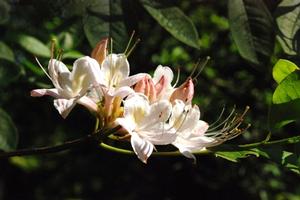
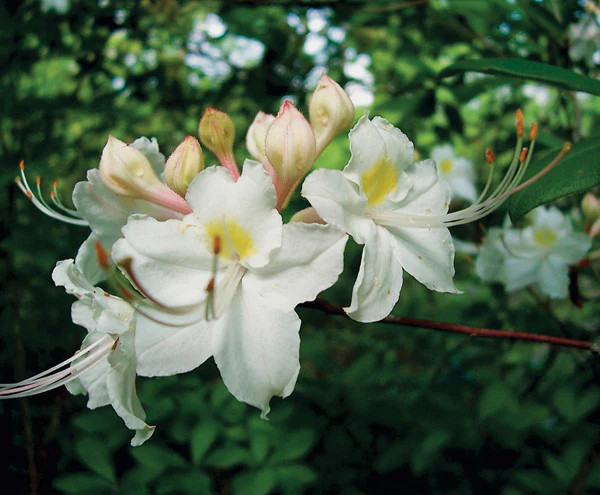
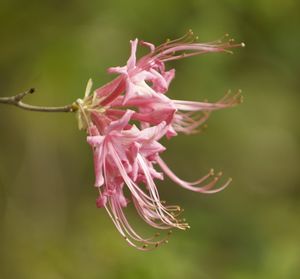
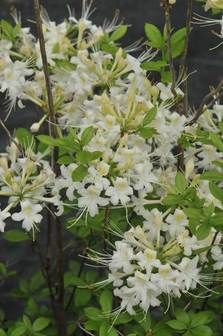
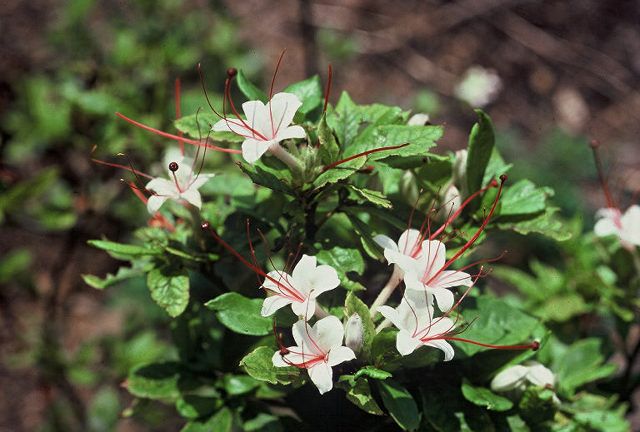
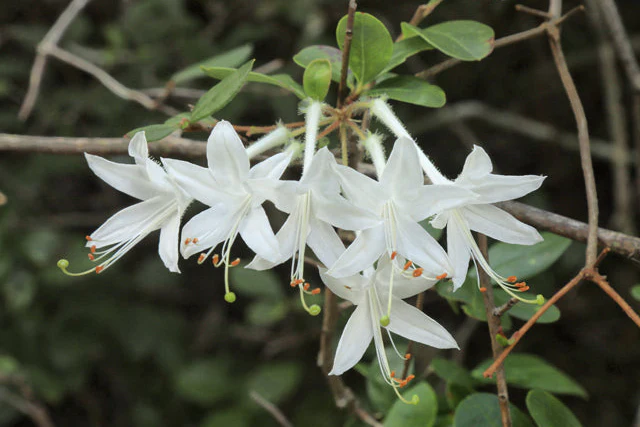
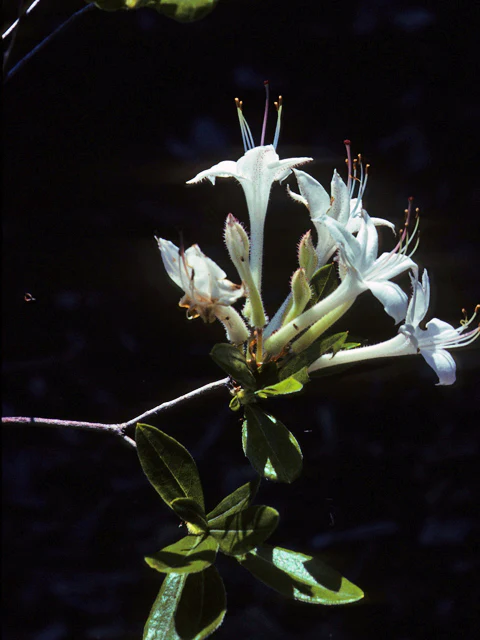
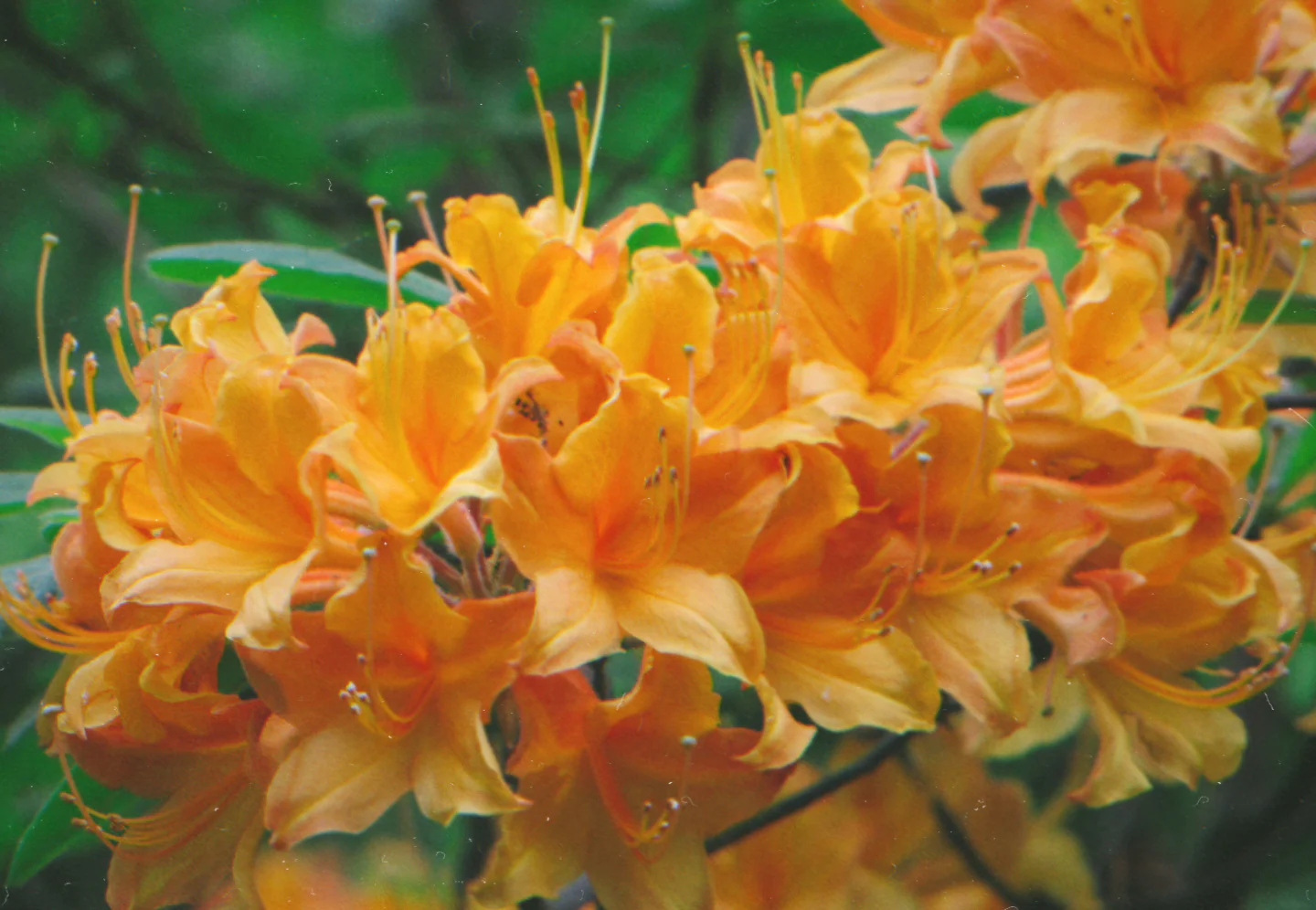
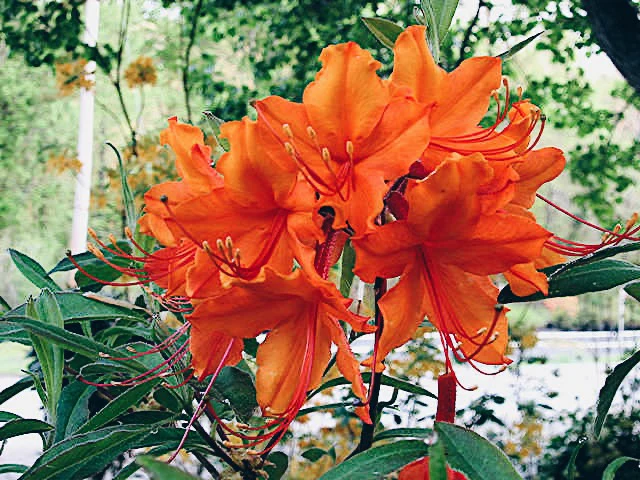
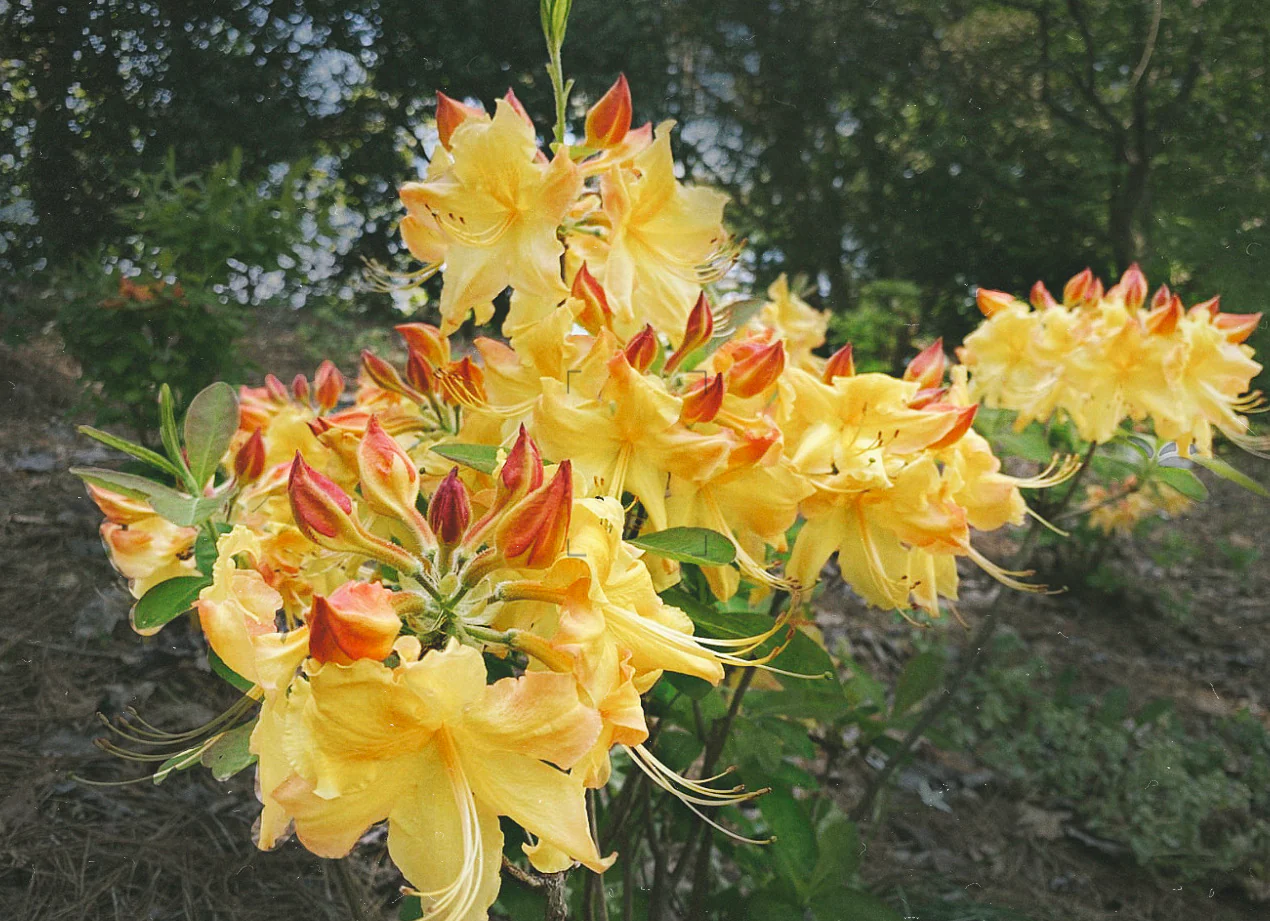
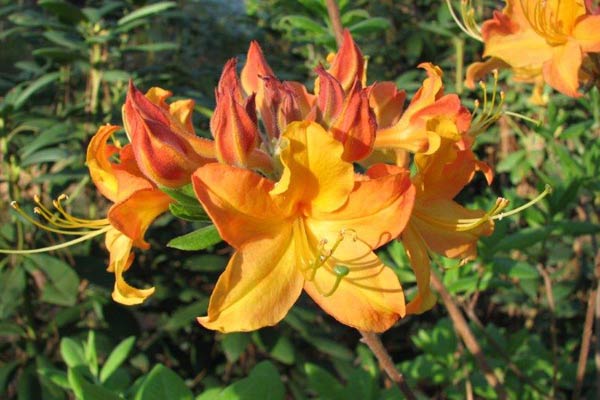
Rhododendron austrinum is a deciduous azalea native to the southeastern United States. It produces bright golden yellow flowers with a strong fragrance in early spring. The blooms emerge in late March to early April.
This yellow azalea grows well in sandy, acidic, and well-drained soil. It performs best under tall pines and benefits from light irrigation. Its natural habitat includes parts of the Florida Panhandle and southern Alabama.
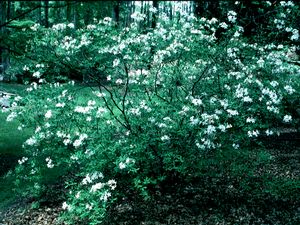
As a native azalea, it adds structure and seasonal color to woodland gardens. It supports early pollinators and fits well into native planting schemes across the Deep South.
3 Gallon available for Pick Up only
Rhododendron austrinum is a deciduous azalea native to the southeastern United States. It produces bright golden yellow flowers with a strong fragrance in early spring. The blooms emerge in late March to early April.
This yellow azalea grows well in sandy, acidic, and well-drained soil. It performs best under tall pines and benefits from light irrigation. Its natural habitat includes parts of the Florida Panhandle and southern Alabama.
As a native azalea, it adds structure and seasonal color to woodland gardens. It supports early pollinators and fits well into native planting schemes across the Deep South.
Description
3 Gallon available for Pick Up only
Rhododendron austrinum is a deciduous azalea native to the southeastern United States. It produces bright golden yellow flowers with a strong fragrance in early spring. The blooms emerge in late March to early April.
This yellow azalea grows well in sandy, acidic, and well-drained soil. It performs best under tall pines and benefits from light irrigation. Its natural habitat includes parts of the Florida Panhandle and southern Alabama.
As a native azalea, it adds structure and seasonal color to woodland gardens. It supports early pollinators and fits well into native planting schemes across the Deep South.