Rhododendron viscosum var. glaucum
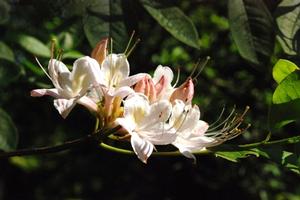
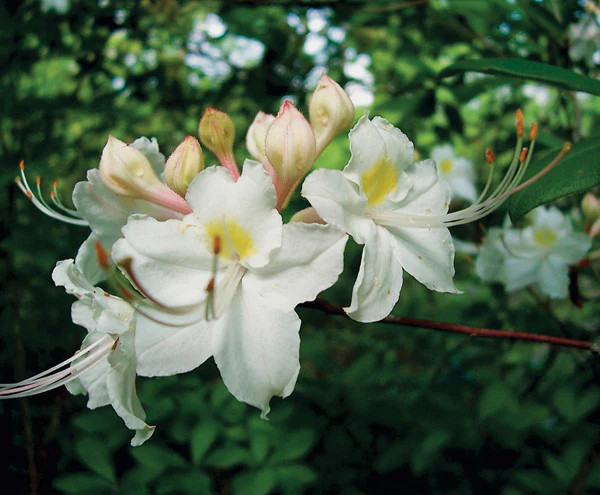
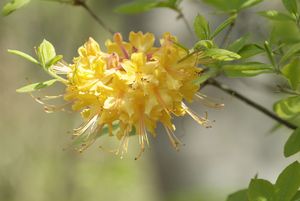
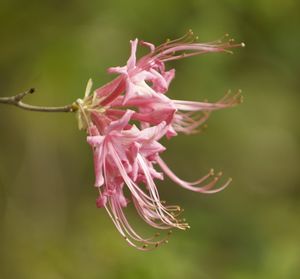
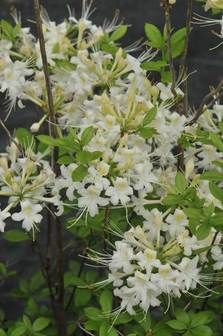
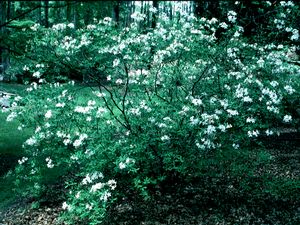
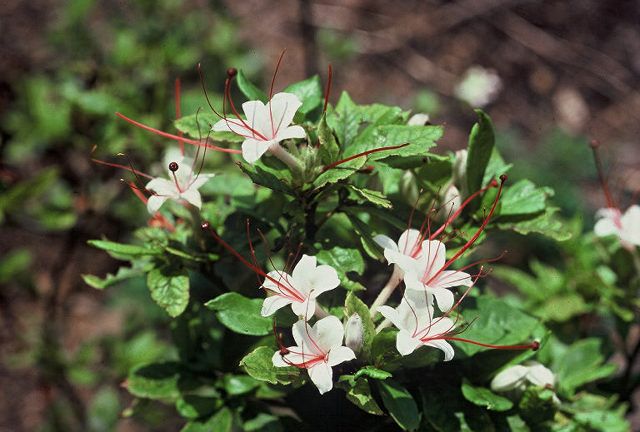
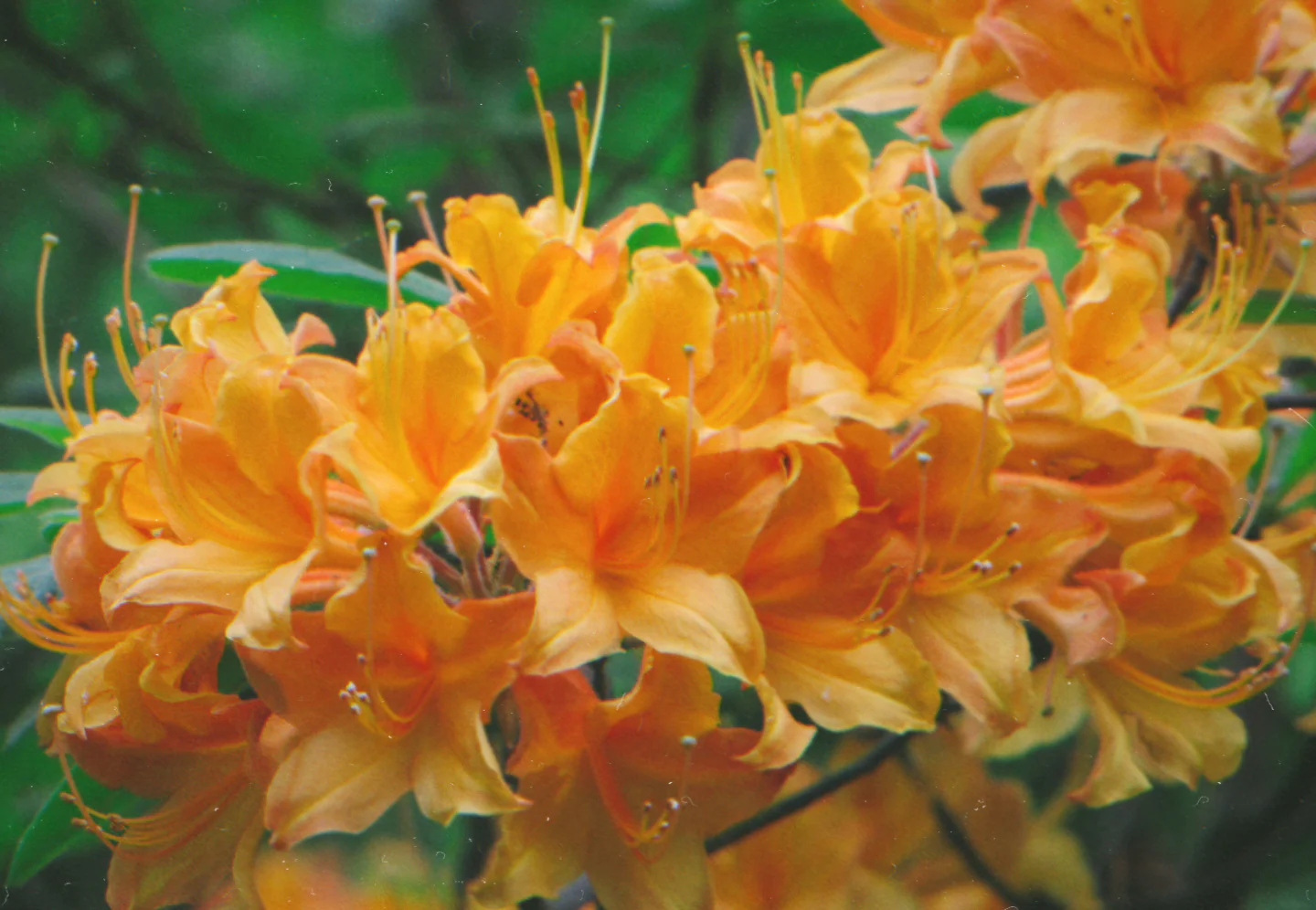
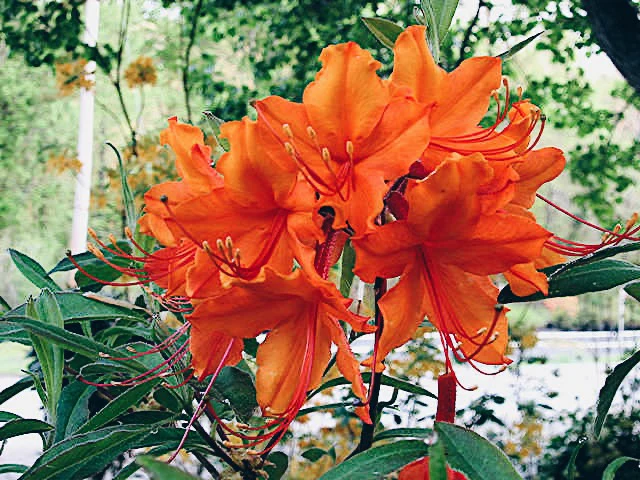
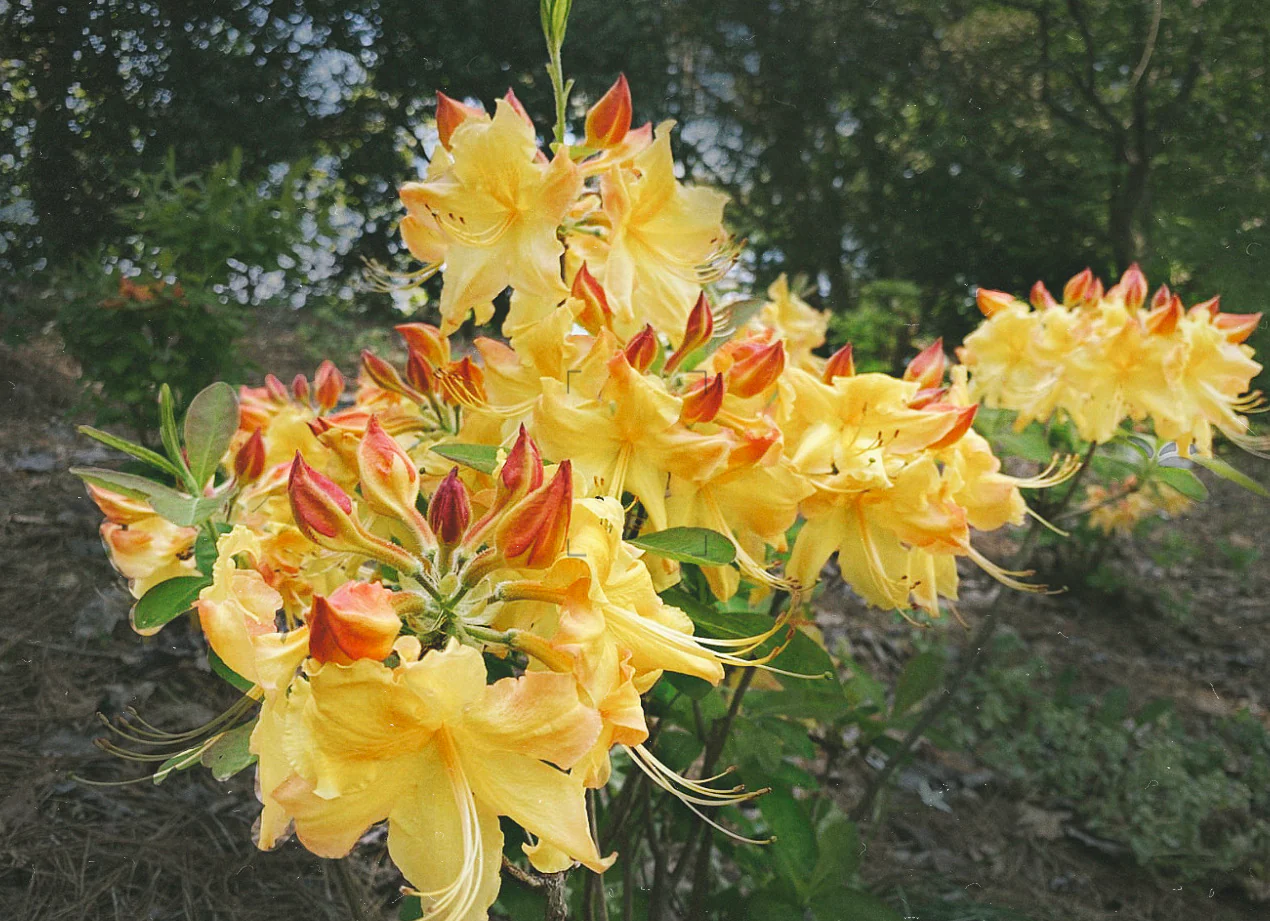
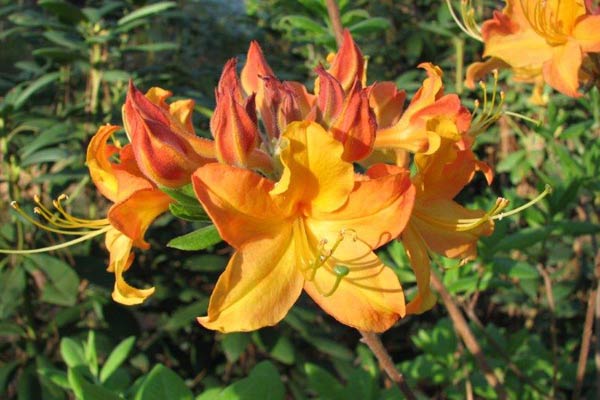
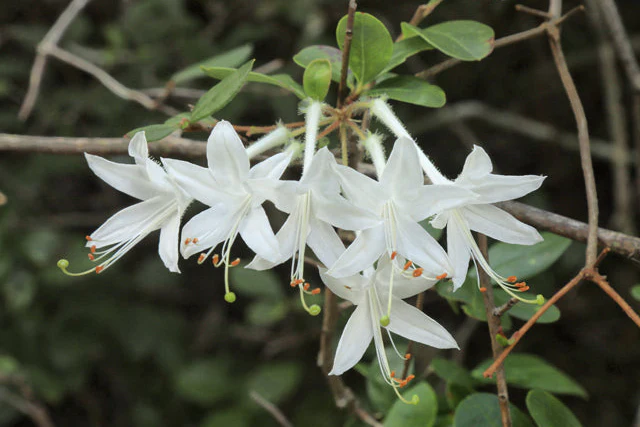
The Rhododendron viscosum var. glaucum, commonly known as the Glaucous Swamp Azalea, is a remarkable native plant with deep roots in the wetland areas of the Southeastern United States. This deciduous shrub is part of the larger Rhododendron viscosum species, known for its adaptability to moist, swampy environments, and its stunning summer blooms.
Origins and History
The Swamp Azalea is native to a broad range across the eastern United States, from the Gulf Coast up through New England. It thrives in wet habitats like swamps, marshes, and along stream banks, where its roots can access the consistently moist soils it prefers. The variety glaucum is particularly noted for its bluish-green foliage, which adds an extra layer of interest to this already captivating plant.
Historically, Rhododendron viscosum was first described in the early 18th century and has been a part of American horticulture ever since. Its natural habitat and resilience in swampy conditions make it a unique and valuable plant, especially in garden settings where moisture is abundant. Native American tribes are known to have used parts of the plant for medicinal purposes, adding to its historical significance.
The Rhododendron viscosum var. glaucum, commonly known as the Glaucous Swamp Azalea, is a remarkable native plant with deep roots in the wetland areas of the Southeastern United States. This deciduous shrub is part of the larger Rhododendron viscosum species, known for its adaptability to moist, swampy environments, and its stunning summer blooms.
Origins and History
The Swamp Azalea is native to a broad range across the eastern United States, from the Gulf Coast up through New England. It thrives in wet habitats like swamps, marshes, and along stream banks, where its roots can access the consistently moist soils it prefers. The variety glaucum is particularly noted for its bluish-green foliage, which adds an extra layer of interest to this already captivating plant.
Historically, Rhododendron viscosum was first described in the early 18th century and has been a part of American horticulture ever since. Its natural habitat and resilience in swampy conditions make it a unique and valuable plant, especially in garden settings where moisture is abundant. Native American tribes are known to have used parts of the plant for medicinal purposes, adding to its historical significance.
Description
The Rhododendron viscosum var. glaucum, commonly known as the Glaucous Swamp Azalea, is a remarkable native plant with deep roots in the wetland areas of the Southeastern United States. This deciduous shrub is part of the larger Rhododendron viscosum species, known for its adaptability to moist, swampy environments, and its stunning summer blooms.
Origins and History
The Swamp Azalea is native to a broad range across the eastern United States, from the Gulf Coast up through New England. It thrives in wet habitats like swamps, marshes, and along stream banks, where its roots can access the consistently moist soils it prefers. The variety glaucum is particularly noted for its bluish-green foliage, which adds an extra layer of interest to this already captivating plant.
Historically, Rhododendron viscosum was first described in the early 18th century and has been a part of American horticulture ever since. Its natural habitat and resilience in swampy conditions make it a unique and valuable plant, especially in garden settings where moisture is abundant. Native American tribes are known to have used parts of the plant for medicinal purposes, adding to its historical significance.