Alnus maritima
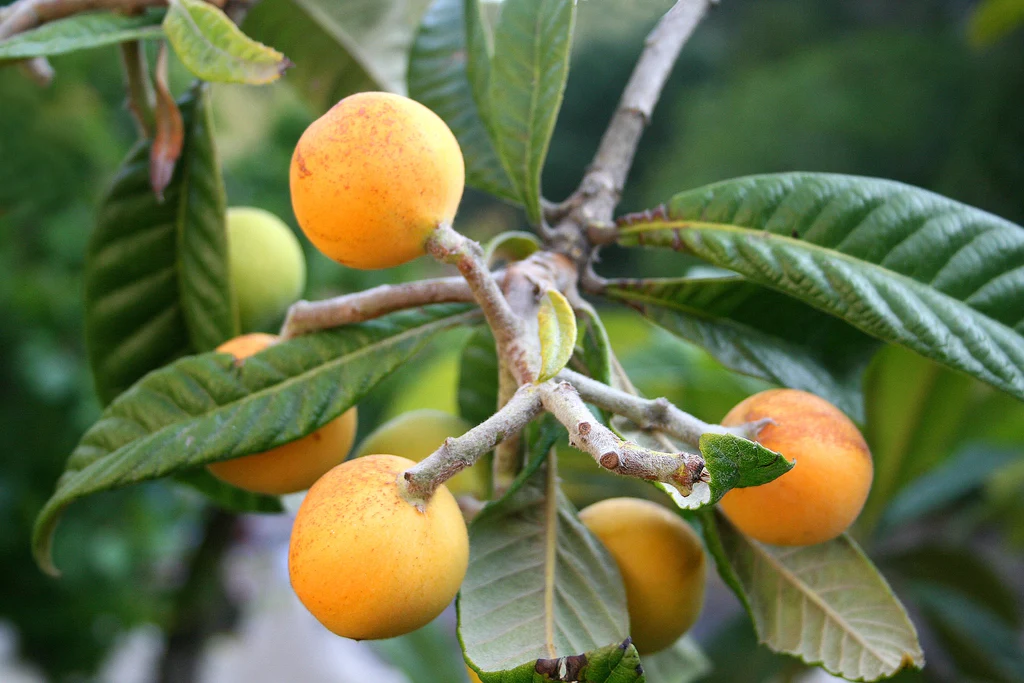
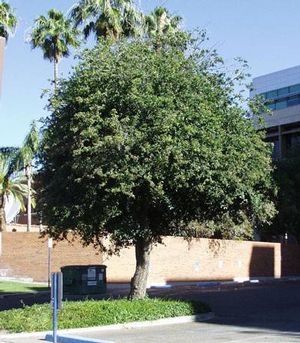
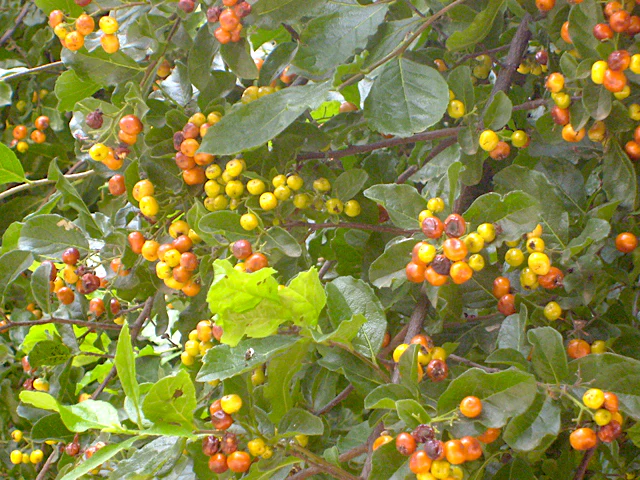
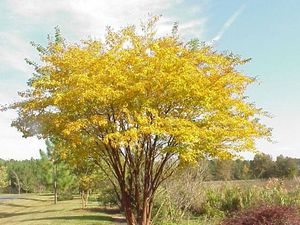
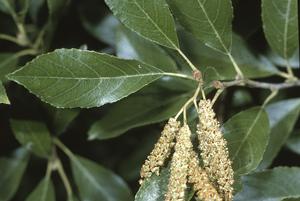
Seaside Alder is a medium to large deciduous shrub with glossy oval, toothed leaves. Flowers are elongated catkins followed by small pinecone-like fruits. This rare species is unusual in several respects. It flowers in the fall; other native Alders flower in spring, and it has a very curious native range.
It is found in a limited area on the Eastern Shore of Maryland and adjacent Delaware, and in one area in Oklahoma. A more recently discovered population is in north Georgia.
Genetic studies suggest that the now widely separated populations are distinct subspecies that evolved from a once widespread population. Our material is from the eastern population. It is rare in cultivation but is adaptable to moist sunny locations and to ordinary garden soils.
Seaside Alder is a medium to large deciduous shrub with glossy oval, toothed leaves. Flowers are elongated catkins followed by small pinecone-like fruits. This rare species is unusual in several respects. It flowers in the fall; other native Alders flower in spring, and it has a very curious native range.
It is found in a limited area on the Eastern Shore of Maryland and adjacent Delaware, and in one area in Oklahoma. A more recently discovered population is in north Georgia.
Genetic studies suggest that the now widely separated populations are distinct subspecies that evolved from a once widespread population. Our material is from the eastern population. It is rare in cultivation but is adaptable to moist sunny locations and to ordinary garden soils.
Original: $92.00
-70%$92.00
$27.60Description
Seaside Alder is a medium to large deciduous shrub with glossy oval, toothed leaves. Flowers are elongated catkins followed by small pinecone-like fruits. This rare species is unusual in several respects. It flowers in the fall; other native Alders flower in spring, and it has a very curious native range.
It is found in a limited area on the Eastern Shore of Maryland and adjacent Delaware, and in one area in Oklahoma. A more recently discovered population is in north Georgia.
Genetic studies suggest that the now widely separated populations are distinct subspecies that evolved from a once widespread population. Our material is from the eastern population. It is rare in cultivation but is adaptable to moist sunny locations and to ordinary garden soils.