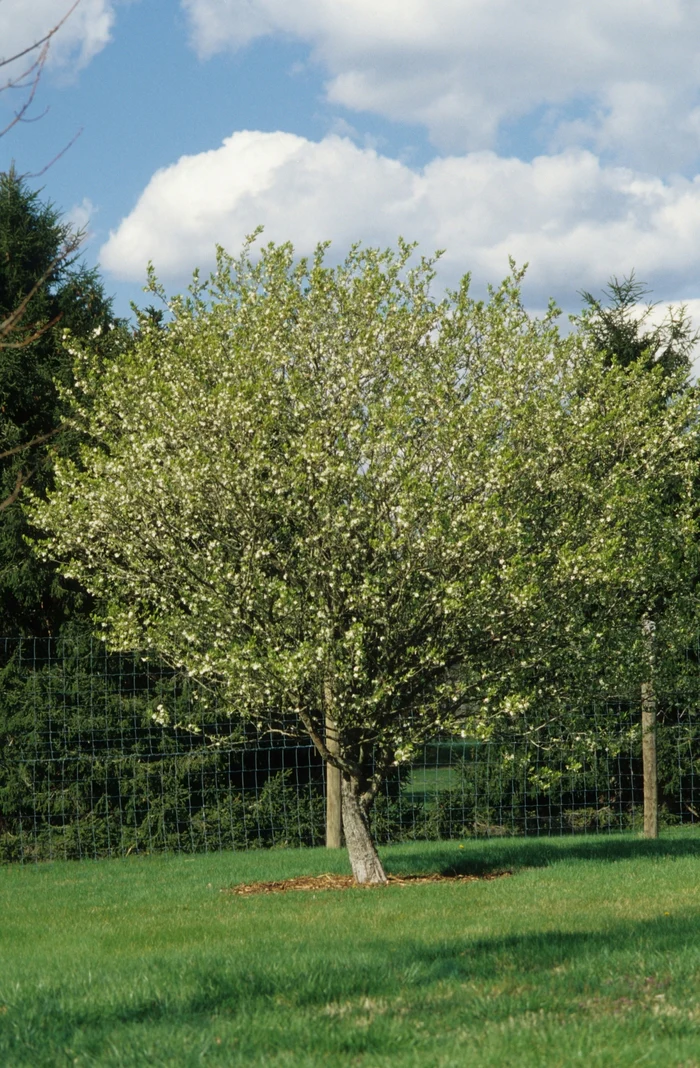
Crataegus opaca
A Southern heirloom tree, bearing flowers in spring and fruit for the pantry.
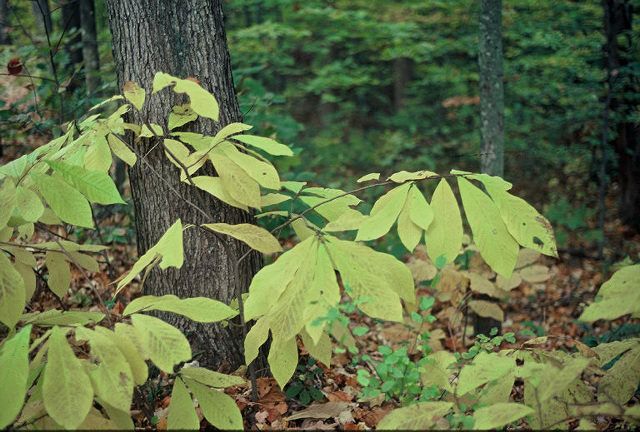
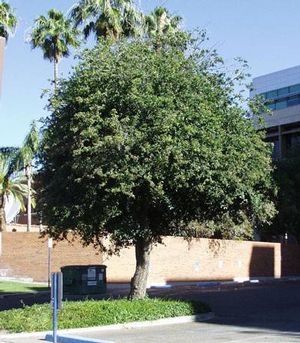
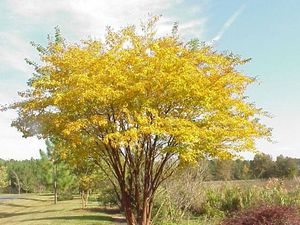
In the quieter corners of the southern landscape—along the edges of old creekbeds and in the silted hollows of cypress-bottomed woods—grows a tree once known to every forager, jelly-maker, and small child with a bucket and a sweet tooth. Crataegus opaca, the Western Mayhaw, is one of the South’s overlooked treasures: a small, deciduous tree that gives white-blossomed abundance in early spring, followed by blushing, edible fruit worthy of the finest preserves.
Though native to the intermittently flooded ponds and bayous of the western Gulf Coast—from East Texas through southern Louisiana—this hardy species is far more adaptable than its swampy origins might suggest. It grows well on upland sites, in average garden soil, and brings structure, blossom, and bounty without the fussiness of more domesticated fruit trees.
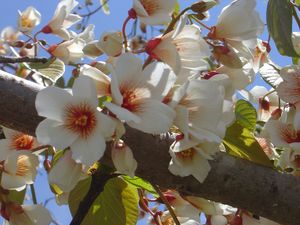
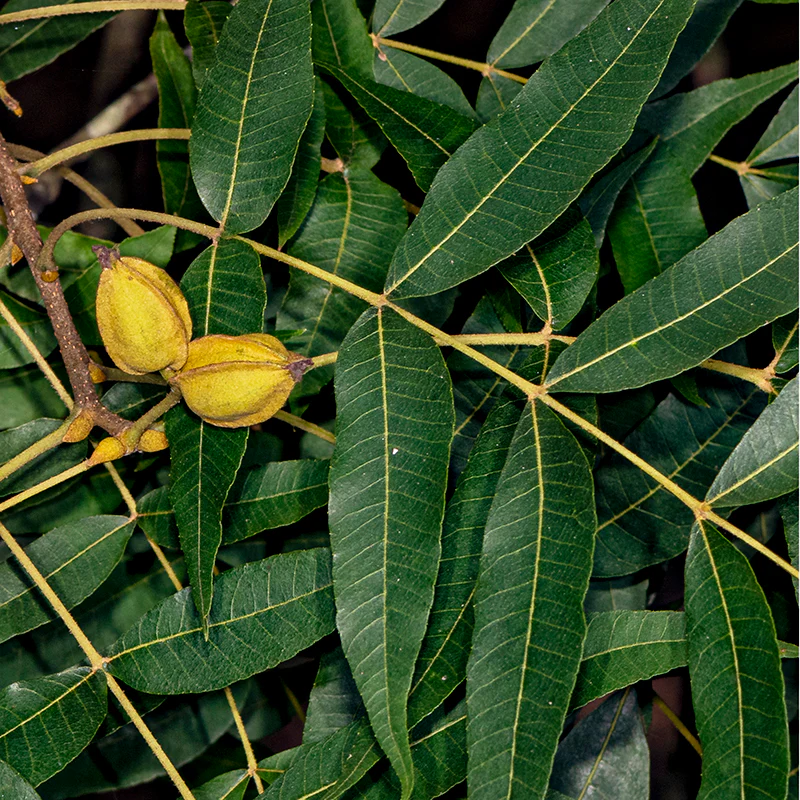
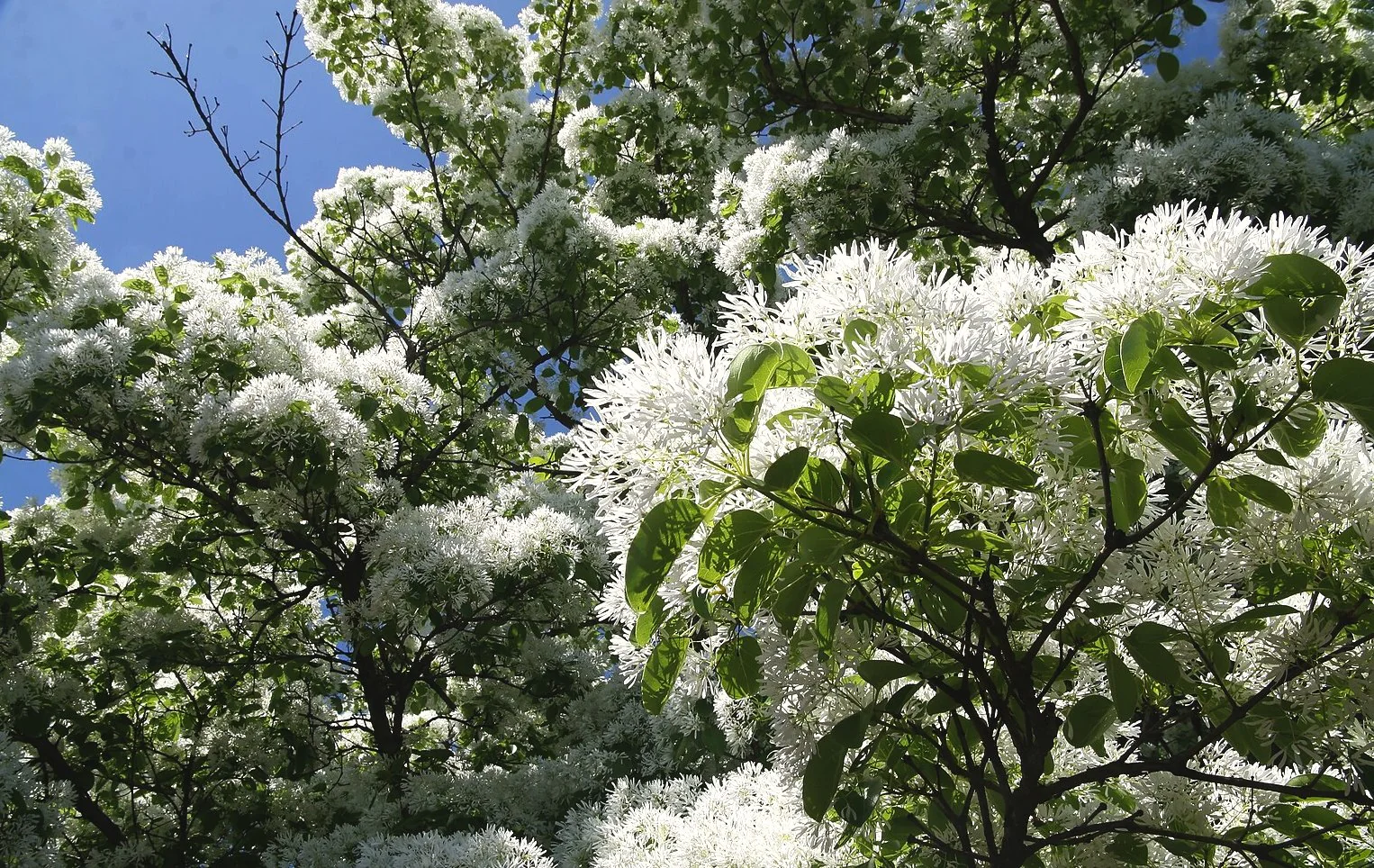
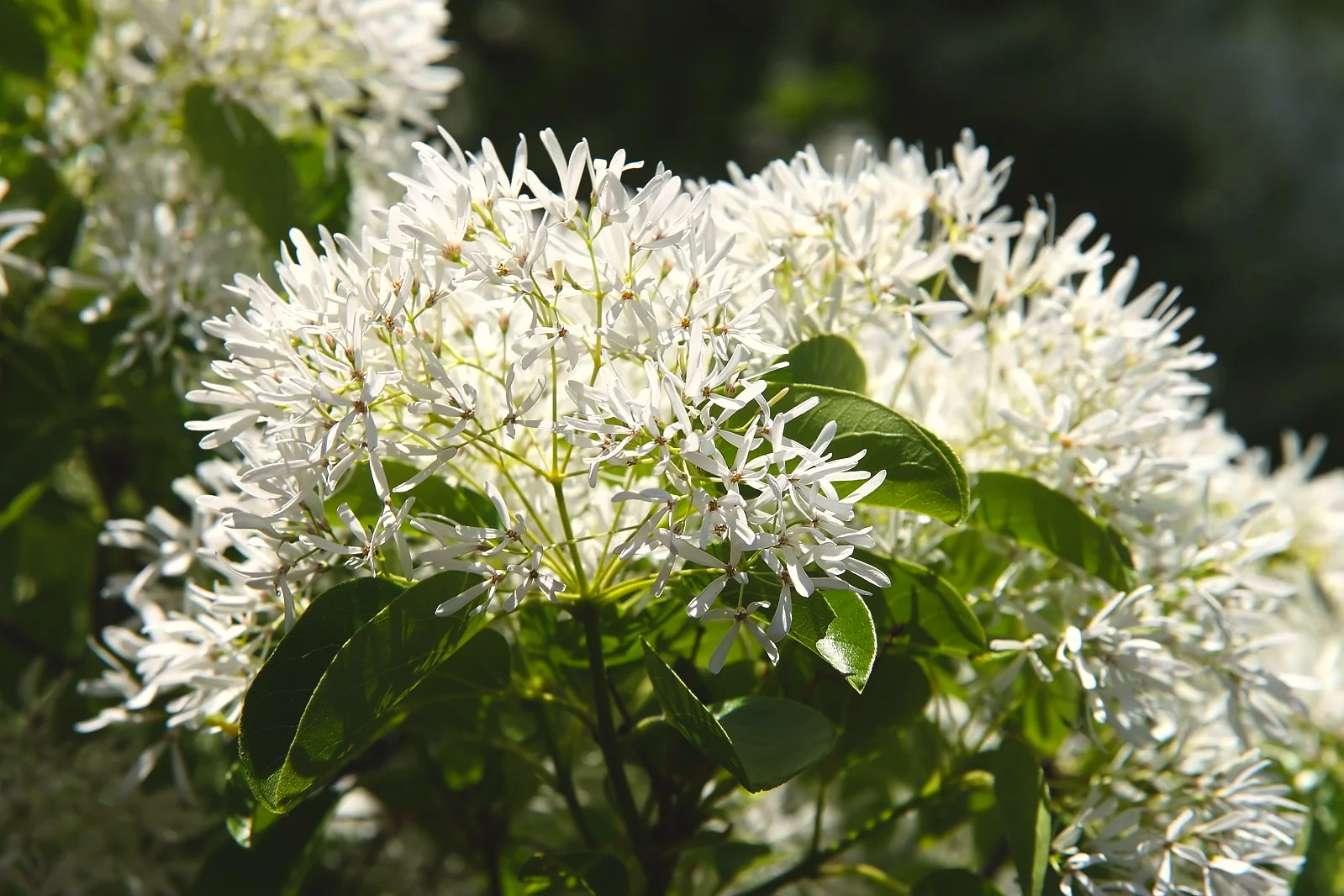
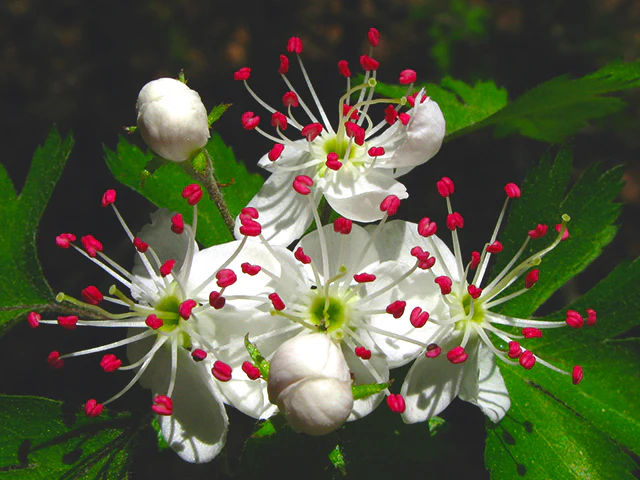
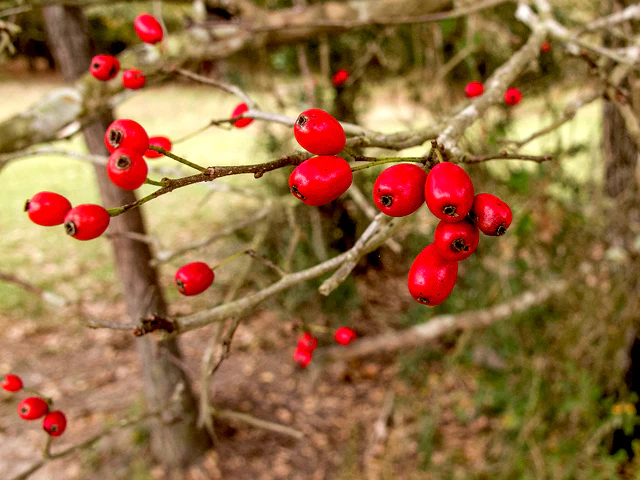
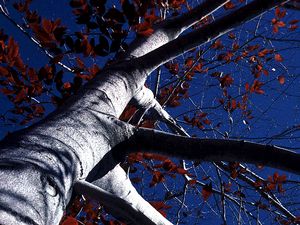
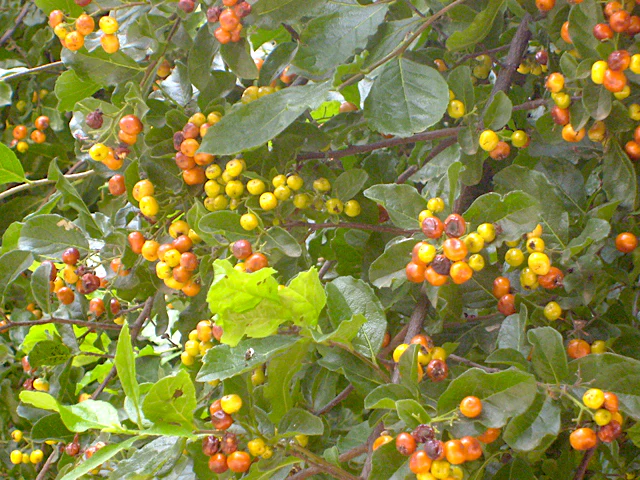
In flower, C. opaca evokes the native hawthorns of old hedgerows, but with a distinctly Southern charm—clusters of white blooms held against bare, silver-gray branches, a herald of spring in wilder places. Its fruit, ripening soon after, is ruby to coral in color, tart and rich in pectin—making it ideal for jelly that carries both flavor and memory.
Very similar to its close cousin Crataegus aestivalis, C. opaca distinguishes itself with its Gulf lineage and slightly earlier flowering. The fruit, too, tends to be a touch larger and more profuse, making it a favorite among native plant enthusiasts and those reviving heirloom recipes. Whether planted for wildlife, orchard, or beauty, this tree is a gift from the old South to the present.
The native range of Crataegus opaca (commonly called Western Mayhaw) primarily includes:
-
Eastern Texas
-
Louisiana
-
Southern Arkansas
-
Western Mississippi
-
Possibly extending into extreme southwestern Alabama
It is especially common in the bottomland hardwood forests, seasonal wetlands, and edges of intermittent ponds within the western Gulf Coastal Plain. While it naturally occurs in areas subject to periodic flooding, it is also well-adapted to upland garden conditions when given sufficient moisture.
Highlights
-
Spring Blooms: Abundant white flowers in early spring provide visual delight and early pollinator support
-
Edible Fruit: Produces tart, coral-red mayhaws perfect for traditional jelly and preserves
-
Native & Adaptable: Native to intermittent ponds of the western Gulf Coast but thrives in well-drained, non-flooded sites
-
Heirloom Value: An old Southern favorite now rare in cultivation—ideal for native plant gardens and edible landscapes
-
Wildlife Friendly: Provides food and habitat for birds, bees, and other pollinators
A Southern heirloom tree, bearing flowers in spring and fruit for the pantry.
In the quieter corners of the southern landscape—along the edges of old creekbeds and in the silted hollows of cypress-bottomed woods—grows a tree once known to every forager, jelly-maker, and small child with a bucket and a sweet tooth. Crataegus opaca, the Western Mayhaw, is one of the South’s overlooked treasures: a small, deciduous tree that gives white-blossomed abundance in early spring, followed by blushing, edible fruit worthy of the finest preserves.
Though native to the intermittently flooded ponds and bayous of the western Gulf Coast—from East Texas through southern Louisiana—this hardy species is far more adaptable than its swampy origins might suggest. It grows well on upland sites, in average garden soil, and brings structure, blossom, and bounty without the fussiness of more domesticated fruit trees.
In flower, C. opaca evokes the native hawthorns of old hedgerows, but with a distinctly Southern charm—clusters of white blooms held against bare, silver-gray branches, a herald of spring in wilder places. Its fruit, ripening soon after, is ruby to coral in color, tart and rich in pectin—making it ideal for jelly that carries both flavor and memory.
Very similar to its close cousin Crataegus aestivalis, C. opaca distinguishes itself with its Gulf lineage and slightly earlier flowering. The fruit, too, tends to be a touch larger and more profuse, making it a favorite among native plant enthusiasts and those reviving heirloom recipes. Whether planted for wildlife, orchard, or beauty, this tree is a gift from the old South to the present.
The native range of Crataegus opaca (commonly called Western Mayhaw) primarily includes:
-
Eastern Texas
-
Louisiana
-
Southern Arkansas
-
Western Mississippi
-
Possibly extending into extreme southwestern Alabama
It is especially common in the bottomland hardwood forests, seasonal wetlands, and edges of intermittent ponds within the western Gulf Coastal Plain. While it naturally occurs in areas subject to periodic flooding, it is also well-adapted to upland garden conditions when given sufficient moisture.
Highlights
-
Spring Blooms: Abundant white flowers in early spring provide visual delight and early pollinator support
-
Edible Fruit: Produces tart, coral-red mayhaws perfect for traditional jelly and preserves
-
Native & Adaptable: Native to intermittent ponds of the western Gulf Coast but thrives in well-drained, non-flooded sites
-
Heirloom Value: An old Southern favorite now rare in cultivation—ideal for native plant gardens and edible landscapes
-
Wildlife Friendly: Provides food and habitat for birds, bees, and other pollinators
Description
A Southern heirloom tree, bearing flowers in spring and fruit for the pantry.
In the quieter corners of the southern landscape—along the edges of old creekbeds and in the silted hollows of cypress-bottomed woods—grows a tree once known to every forager, jelly-maker, and small child with a bucket and a sweet tooth. Crataegus opaca, the Western Mayhaw, is one of the South’s overlooked treasures: a small, deciduous tree that gives white-blossomed abundance in early spring, followed by blushing, edible fruit worthy of the finest preserves.
Though native to the intermittently flooded ponds and bayous of the western Gulf Coast—from East Texas through southern Louisiana—this hardy species is far more adaptable than its swampy origins might suggest. It grows well on upland sites, in average garden soil, and brings structure, blossom, and bounty without the fussiness of more domesticated fruit trees.
In flower, C. opaca evokes the native hawthorns of old hedgerows, but with a distinctly Southern charm—clusters of white blooms held against bare, silver-gray branches, a herald of spring in wilder places. Its fruit, ripening soon after, is ruby to coral in color, tart and rich in pectin—making it ideal for jelly that carries both flavor and memory.
Very similar to its close cousin Crataegus aestivalis, C. opaca distinguishes itself with its Gulf lineage and slightly earlier flowering. The fruit, too, tends to be a touch larger and more profuse, making it a favorite among native plant enthusiasts and those reviving heirloom recipes. Whether planted for wildlife, orchard, or beauty, this tree is a gift from the old South to the present.
The native range of Crataegus opaca (commonly called Western Mayhaw) primarily includes:
-
Eastern Texas
-
Louisiana
-
Southern Arkansas
-
Western Mississippi
-
Possibly extending into extreme southwestern Alabama
It is especially common in the bottomland hardwood forests, seasonal wetlands, and edges of intermittent ponds within the western Gulf Coastal Plain. While it naturally occurs in areas subject to periodic flooding, it is also well-adapted to upland garden conditions when given sufficient moisture.
Highlights
-
Spring Blooms: Abundant white flowers in early spring provide visual delight and early pollinator support
-
Edible Fruit: Produces tart, coral-red mayhaws perfect for traditional jelly and preserves
-
Native & Adaptable: Native to intermittent ponds of the western Gulf Coast but thrives in well-drained, non-flooded sites
-
Heirloom Value: An old Southern favorite now rare in cultivation—ideal for native plant gardens and edible landscapes
-
Wildlife Friendly: Provides food and habitat for birds, bees, and other pollinators