Chionanthus retusus var. serrulatus
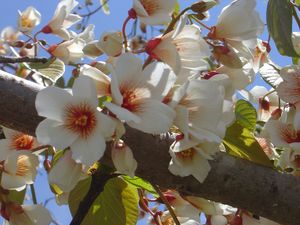
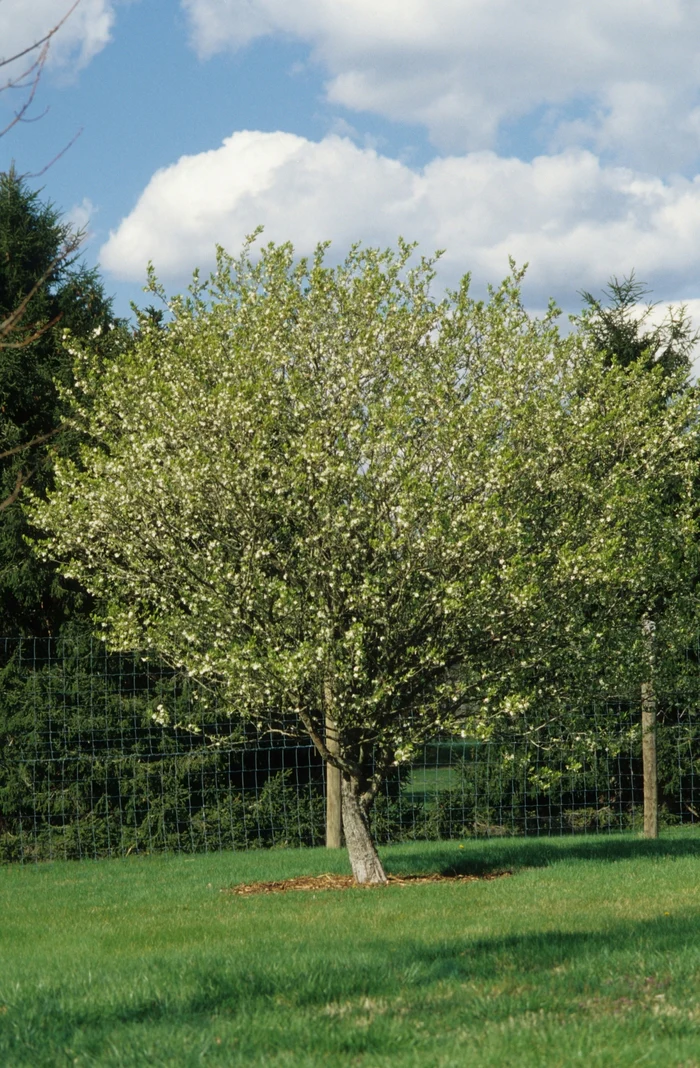
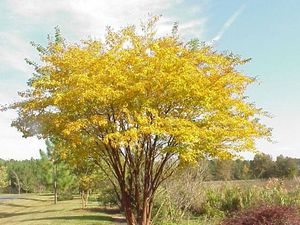
Chionanthus retusus var. serrulatus, commonly known as the Chinese Fringe Tree, is a stunning deciduous tree native to East Asia, particularly China, Korea, and Japan. This tree has a storied history, deeply rooted in ancient Chinese horticulture, where it has been admired for centuries for its ornamental beauty. The name "Chionanthus" comes from the Greek words "chion," meaning snow, and "anthos," meaning flower, reflecting the tree's spectacular display of snow-white, fringed blossoms that cover the tree in late spring.
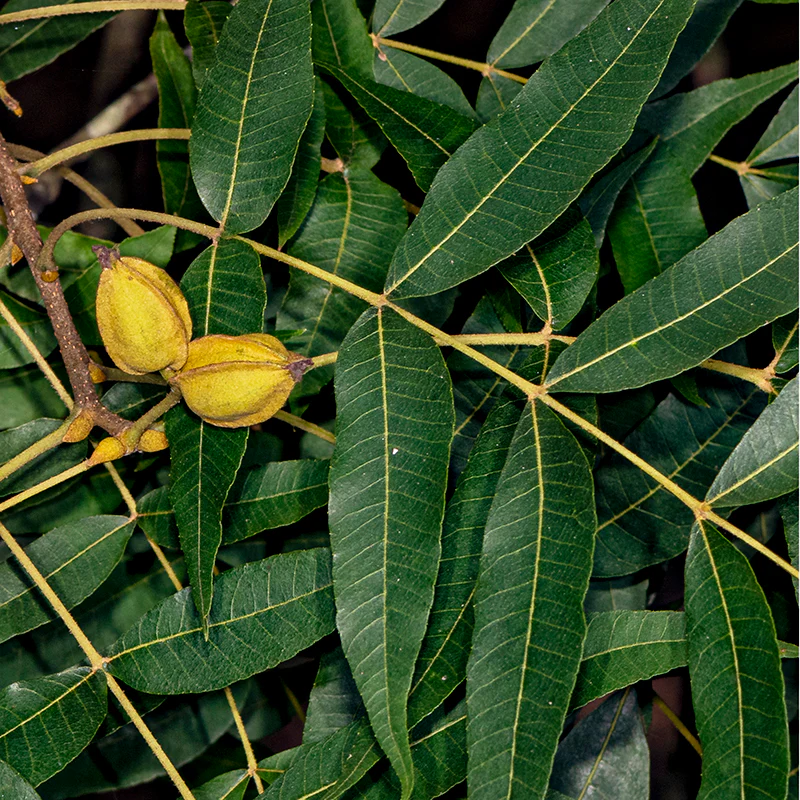
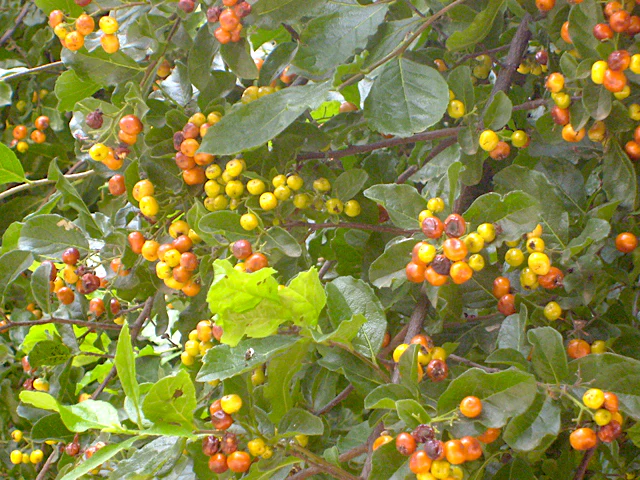
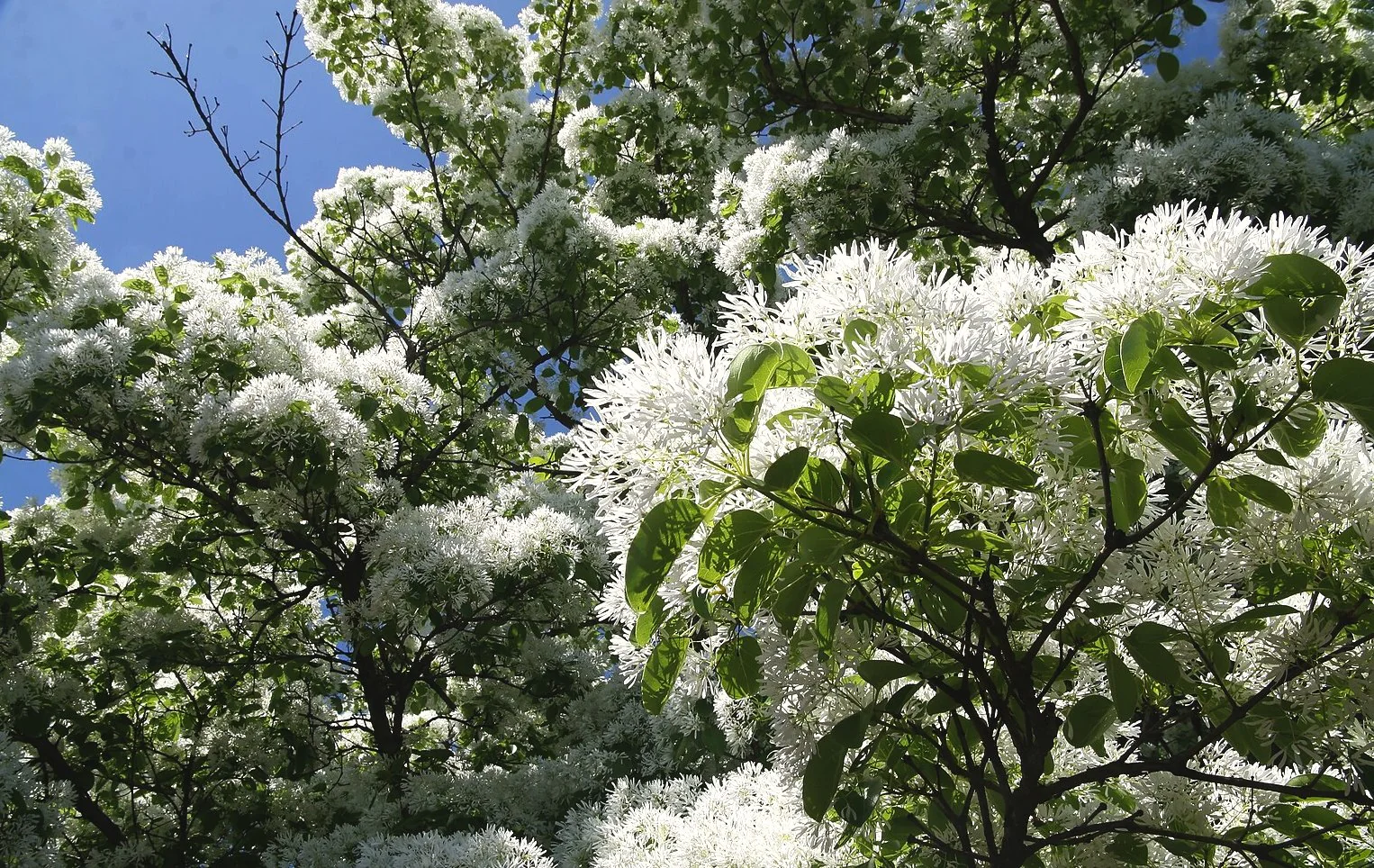
The Chinese Fringe Tree is celebrated for its horticultural significance due to its unique and attractive features. Its fragrant, lacy white flowers appear in dense clusters, creating a striking contrast against the glossy, dark green leaves. As the season progresses, the tree produces small, bluish-black fruits that attract birds and other wildlife, adding ecological value to its ornamental appeal.
Additional photos courtesy of David J. Stang
Chionanthus retusus var. serrulatus, commonly known as the Chinese Fringe Tree, is a stunning deciduous tree native to East Asia, particularly China, Korea, and Japan. This tree has a storied history, deeply rooted in ancient Chinese horticulture, where it has been admired for centuries for its ornamental beauty. The name "Chionanthus" comes from the Greek words "chion," meaning snow, and "anthos," meaning flower, reflecting the tree's spectacular display of snow-white, fringed blossoms that cover the tree in late spring.
The Chinese Fringe Tree is celebrated for its horticultural significance due to its unique and attractive features. Its fragrant, lacy white flowers appear in dense clusters, creating a striking contrast against the glossy, dark green leaves. As the season progresses, the tree produces small, bluish-black fruits that attract birds and other wildlife, adding ecological value to its ornamental appeal.
Additional photos courtesy of David J. Stang
Description
Chionanthus retusus var. serrulatus, commonly known as the Chinese Fringe Tree, is a stunning deciduous tree native to East Asia, particularly China, Korea, and Japan. This tree has a storied history, deeply rooted in ancient Chinese horticulture, where it has been admired for centuries for its ornamental beauty. The name "Chionanthus" comes from the Greek words "chion," meaning snow, and "anthos," meaning flower, reflecting the tree's spectacular display of snow-white, fringed blossoms that cover the tree in late spring.
The Chinese Fringe Tree is celebrated for its horticultural significance due to its unique and attractive features. Its fragrant, lacy white flowers appear in dense clusters, creating a striking contrast against the glossy, dark green leaves. As the season progresses, the tree produces small, bluish-black fruits that attract birds and other wildlife, adding ecological value to its ornamental appeal.
Additional photos courtesy of David J. Stang