Aronia arbutifolia 'Brilliantissima'
Aronia arbutifolia has been growing in the wet woods and pocosins of the eastern United States for a very long time, largely unbothered by the horticultural world's attention. 'Brilliantissima' changed that. Selected for foliage with a deeper gloss and berries of a more saturated, almost lacquered red than the straight species, it is the form that finally made gardeners look twice at a plant that had been quietly earning its keep in native landscapes for centuries.
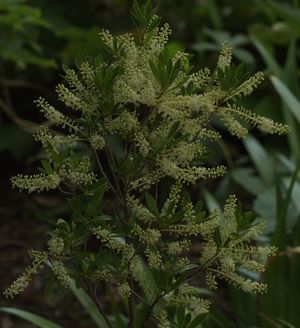
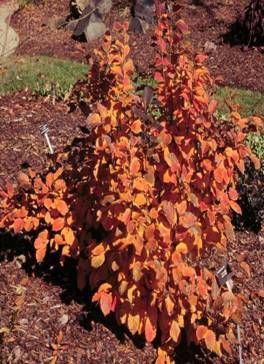
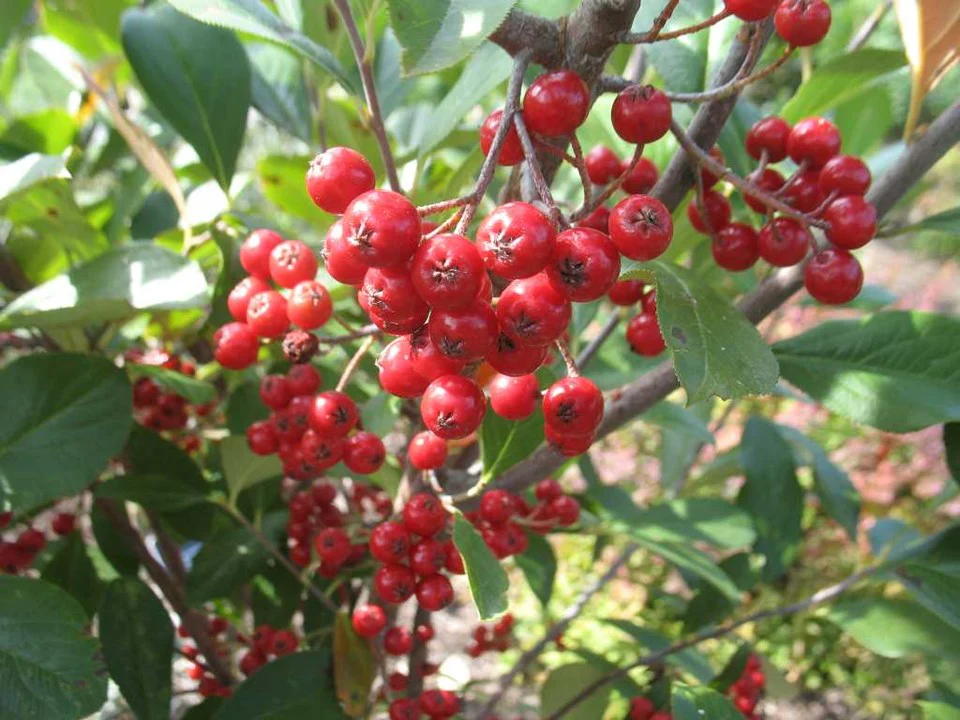
The season begins in mid-spring with clusters of small white flowers — delicate, lace-like, and attractive to native bees at a moment when little else is in bloom. By midsummer the berries are swelling and deepening, and by early autumn they have ripened to a red so intense it reads as artificial against the foliage. That foliage, meanwhile, is turning. The fall color of 'Brilliantissima' is one of the more reliable and spectacular events in the native shrub calendar — a deep, burnished crimson that holds for weeks and earns its cultivar name without apology.
The berries persist well into winter, by which point the birds have typically found them. Waxwings in particular, which is either a selling point or a caveat depending on how attached you are to the fruit display. Both responses are reasonable.
Aronia arbutifolia tolerates wet soils, adapts to dry ones once established, and asks very little in return for a great deal of seasonal interest. It is native, four-season, wildlife-supporting, and genuinely beautiful — a combination that remains rarer than it should be.
Aronia arbutifolia has been growing in the wet woods and pocosins of the eastern United States for a very long time, largely unbothered by the horticultural world's attention. 'Brilliantissima' changed that. Selected for foliage with a deeper gloss and berries of a more saturated, almost lacquered red than the straight species, it is the form that finally made gardeners look twice at a plant that had been quietly earning its keep in native landscapes for centuries.
The season begins in mid-spring with clusters of small white flowers — delicate, lace-like, and attractive to native bees at a moment when little else is in bloom. By midsummer the berries are swelling and deepening, and by early autumn they have ripened to a red so intense it reads as artificial against the foliage. That foliage, meanwhile, is turning. The fall color of 'Brilliantissima' is one of the more reliable and spectacular events in the native shrub calendar — a deep, burnished crimson that holds for weeks and earns its cultivar name without apology.
The berries persist well into winter, by which point the birds have typically found them. Waxwings in particular, which is either a selling point or a caveat depending on how attached you are to the fruit display. Both responses are reasonable.
Aronia arbutifolia tolerates wet soils, adapts to dry ones once established, and asks very little in return for a great deal of seasonal interest. It is native, four-season, wildlife-supporting, and genuinely beautiful — a combination that remains rarer than it should be.
Original: $92.00
-70%$92.00
$27.60Description
Aronia arbutifolia has been growing in the wet woods and pocosins of the eastern United States for a very long time, largely unbothered by the horticultural world's attention. 'Brilliantissima' changed that. Selected for foliage with a deeper gloss and berries of a more saturated, almost lacquered red than the straight species, it is the form that finally made gardeners look twice at a plant that had been quietly earning its keep in native landscapes for centuries.
The season begins in mid-spring with clusters of small white flowers — delicate, lace-like, and attractive to native bees at a moment when little else is in bloom. By midsummer the berries are swelling and deepening, and by early autumn they have ripened to a red so intense it reads as artificial against the foliage. That foliage, meanwhile, is turning. The fall color of 'Brilliantissima' is one of the more reliable and spectacular events in the native shrub calendar — a deep, burnished crimson that holds for weeks and earns its cultivar name without apology.
The berries persist well into winter, by which point the birds have typically found them. Waxwings in particular, which is either a selling point or a caveat depending on how attached you are to the fruit display. Both responses are reasonable.
Aronia arbutifolia tolerates wet soils, adapts to dry ones once established, and asks very little in return for a great deal of seasonal interest. It is native, four-season, wildlife-supporting, and genuinely beautiful — a combination that remains rarer than it should be.