Cyrilla arida
Once thought lost to time and development, Cyrilla arida, commonly known as Scrub Titi, is a botanical rarity with a story as striking as its summer bloom. Originally discovered by famed botanist J.K. Small in the early 20th century, this unique shrub was native to the desert-like scrub habitats of central Florida. For decades, its identity was debated and its presence in the wild uncertain—until a dedicated search led to its rediscovery by Kenneth Wurdack and the Woodlanders team in Highlands County, Florida. That tiny remnant population may now be gone, and Cyrilla arida may no longer exist in the wild, making its presence in cultivation all the more precious.
Unlike its wetland-loving relatives, Cyrilla arida thrives on deep, nutrient-poor, xeric sandhills—places where few plants dare to persist. Surprisingly, this species has proven to be highly adaptable in garden settings, even performing well in more temperate climates such as Atlanta, Georgia.
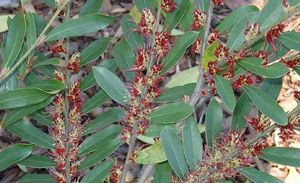
In summer, Scrub Titi puts on a graceful show of creamy white racemes—slender, arching flower clusters that contrast beautifully against its fine-textured foliage. The blooms are not only ornamental but beloved by pollinators, making this a garden-worthy plant with ecological value.
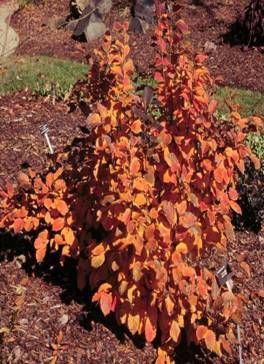
This deciduous to semi-evergreen shrub is both drought-tolerant and low-maintenance once established. Ideal for native plant gardens, dry borders, or sandy woodland edges, Cyrilla arida brings a piece of rare Florida scrub into the cultivated landscape.
Highlights:
-
Extremely rare Florida native, possibly extinct in the wild
-
Adapted to dry, sandy, nutrient-poor soils
-
Free-flowering in summer with elegant white racemes
-
Surprisingly hardy—successfully grown in the Atlanta area
-
Ideal for xeric and native plant gardens
-
Valuable to pollinators and wildlife
Once thought lost to time and development, Cyrilla arida, commonly known as Scrub Titi, is a botanical rarity with a story as striking as its summer bloom. Originally discovered by famed botanist J.K. Small in the early 20th century, this unique shrub was native to the desert-like scrub habitats of central Florida. For decades, its identity was debated and its presence in the wild uncertain—until a dedicated search led to its rediscovery by Kenneth Wurdack and the Woodlanders team in Highlands County, Florida. That tiny remnant population may now be gone, and Cyrilla arida may no longer exist in the wild, making its presence in cultivation all the more precious.
Unlike its wetland-loving relatives, Cyrilla arida thrives on deep, nutrient-poor, xeric sandhills—places where few plants dare to persist. Surprisingly, this species has proven to be highly adaptable in garden settings, even performing well in more temperate climates such as Atlanta, Georgia.
In summer, Scrub Titi puts on a graceful show of creamy white racemes—slender, arching flower clusters that contrast beautifully against its fine-textured foliage. The blooms are not only ornamental but beloved by pollinators, making this a garden-worthy plant with ecological value.
This deciduous to semi-evergreen shrub is both drought-tolerant and low-maintenance once established. Ideal for native plant gardens, dry borders, or sandy woodland edges, Cyrilla arida brings a piece of rare Florida scrub into the cultivated landscape.
Highlights:
-
Extremely rare Florida native, possibly extinct in the wild
-
Adapted to dry, sandy, nutrient-poor soils
-
Free-flowering in summer with elegant white racemes
-
Surprisingly hardy—successfully grown in the Atlanta area
-
Ideal for xeric and native plant gardens
-
Valuable to pollinators and wildlife
Description
Once thought lost to time and development, Cyrilla arida, commonly known as Scrub Titi, is a botanical rarity with a story as striking as its summer bloom. Originally discovered by famed botanist J.K. Small in the early 20th century, this unique shrub was native to the desert-like scrub habitats of central Florida. For decades, its identity was debated and its presence in the wild uncertain—until a dedicated search led to its rediscovery by Kenneth Wurdack and the Woodlanders team in Highlands County, Florida. That tiny remnant population may now be gone, and Cyrilla arida may no longer exist in the wild, making its presence in cultivation all the more precious.
Unlike its wetland-loving relatives, Cyrilla arida thrives on deep, nutrient-poor, xeric sandhills—places where few plants dare to persist. Surprisingly, this species has proven to be highly adaptable in garden settings, even performing well in more temperate climates such as Atlanta, Georgia.
In summer, Scrub Titi puts on a graceful show of creamy white racemes—slender, arching flower clusters that contrast beautifully against its fine-textured foliage. The blooms are not only ornamental but beloved by pollinators, making this a garden-worthy plant with ecological value.
This deciduous to semi-evergreen shrub is both drought-tolerant and low-maintenance once established. Ideal for native plant gardens, dry borders, or sandy woodland edges, Cyrilla arida brings a piece of rare Florida scrub into the cultivated landscape.
Highlights:
-
Extremely rare Florida native, possibly extinct in the wild
-
Adapted to dry, sandy, nutrient-poor soils
-
Free-flowering in summer with elegant white racemes
-
Surprisingly hardy—successfully grown in the Atlanta area
-
Ideal for xeric and native plant gardens
-
Valuable to pollinators and wildlife