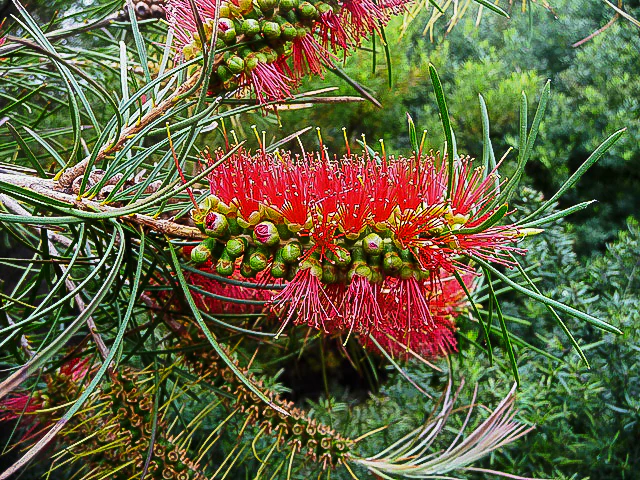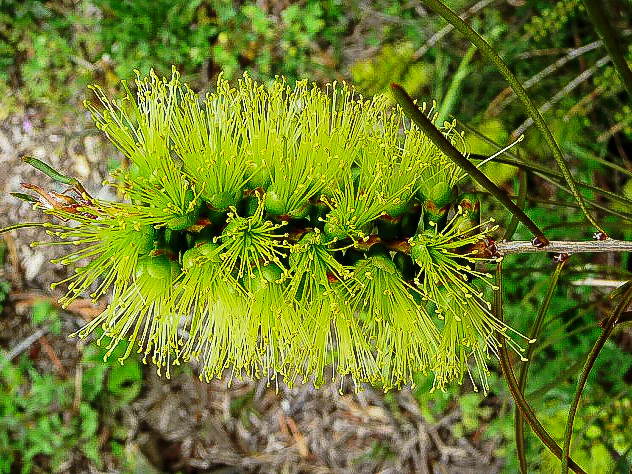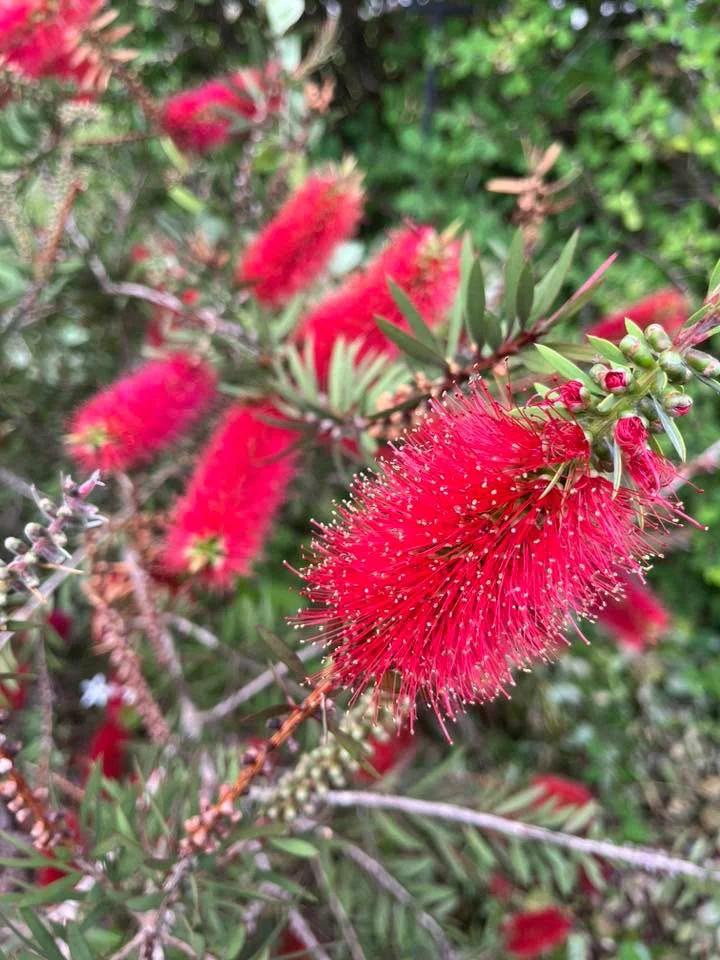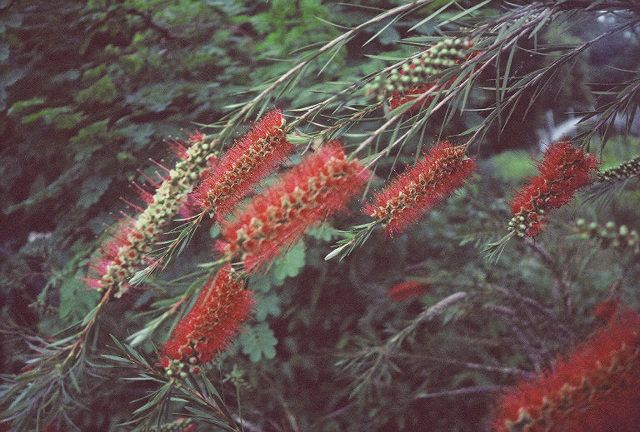
Camellia japonica 'Anacostia'
The United States National Arboretum in Washington, D.C. sits on 446 acres of rolling ground above the Anacostia River — a place where serious horticultural work has been done quietly and without fanfare for the better part of a century. It is from this institution, and from the river that borders it, that Camellia japonica 'Anacostia' takes its name. Selected at the Arboretum for cold hardiness and reliable performance at the northern edge of camellia country, it carries the institutional weight of that origin into every garden it enters.
Camellias arrived in the Western world in the eighteenth century, carried from China and Japan by plant hunters who recognized immediately that they were looking at something extraordinary. In Asia they had been cultivated for well over a thousand years — as ornamental plants, as sources of tea and camellia oil, as subjects of poetry and painting and sustained botanical attention. By the time they reached the gardens of Europe and the American South, they had already been refined into thousands of named forms. 'Anacostia' represents a specifically American chapter of that long story: a selection made not for the mild winters of Kyushu or the Azores but for the colder, more demanding conditions of the mid-Atlantic and upper South.
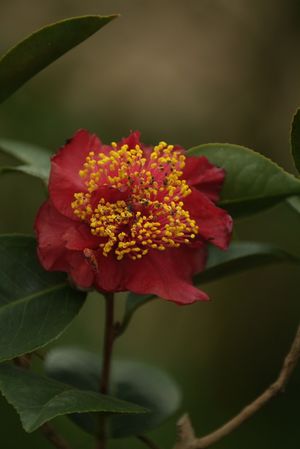
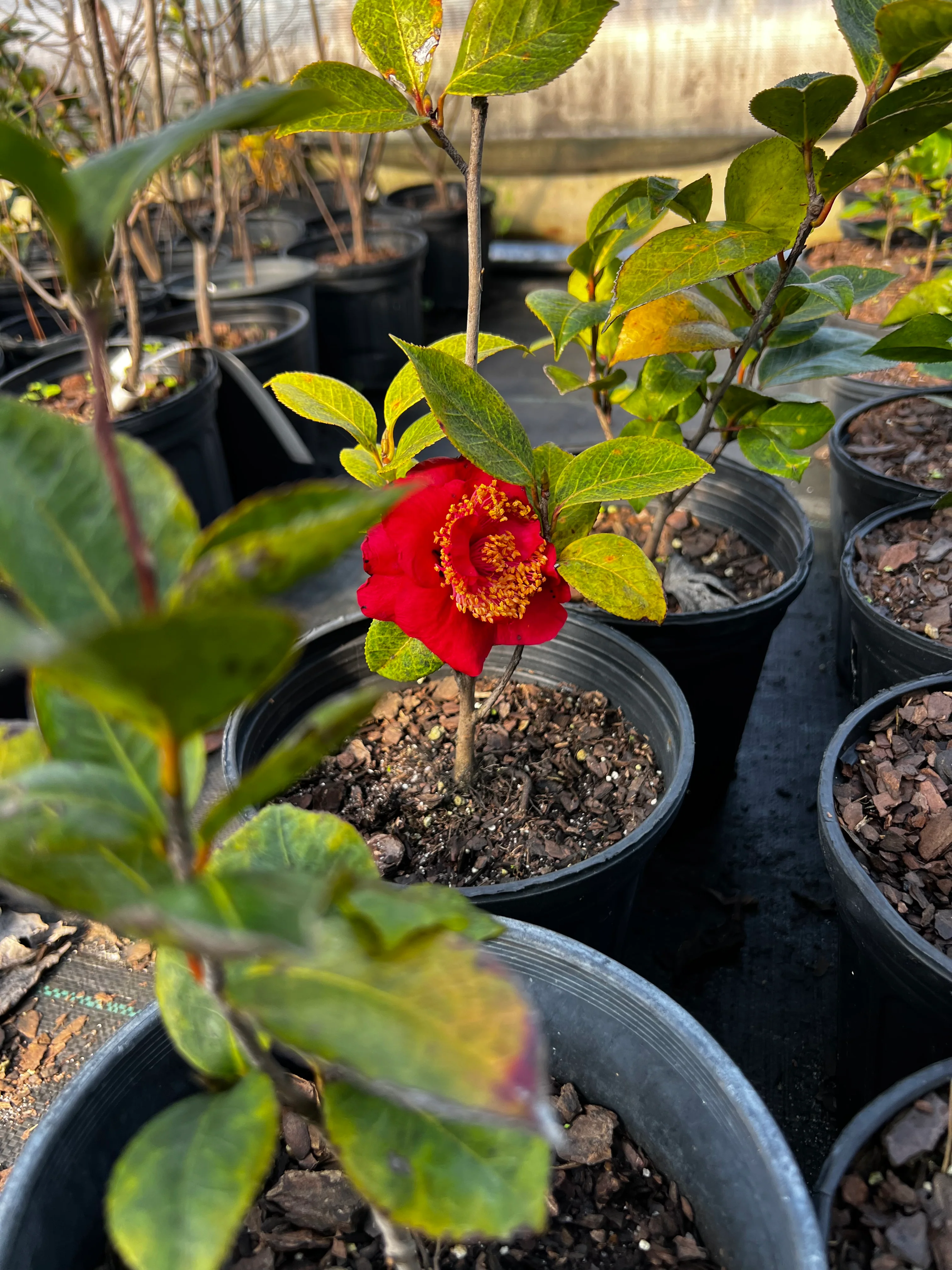
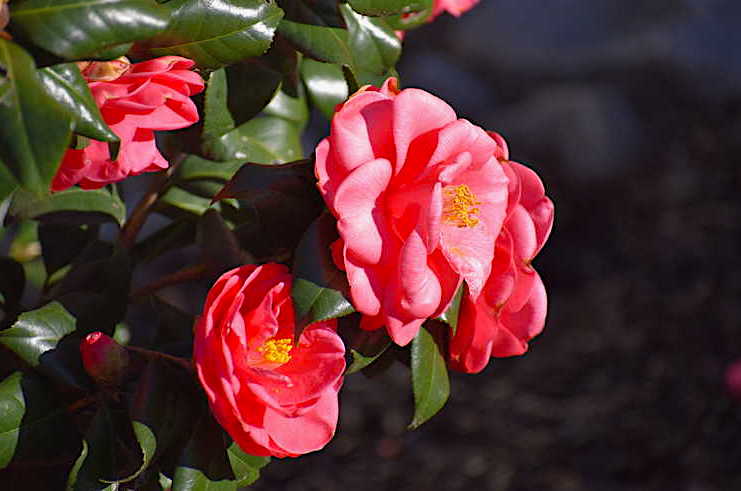
The flowers are deep red, formal to semi-formal in form, with the dense, layered petal arrangement that makes a well-grown camellia look almost architectural in the winter garden. They appear from late winter into early spring, at the precise moment when the garden is most in need of them. The foliage — dark, glossy, and evergreen — earns its place through the rest of the year without asking for attention. This is a plant that has been refined over centuries to do exactly what it does. It shows.
Photos courtesy of JC Raulston Arboretum and Scott A.
The United States National Arboretum in Washington, D.C. sits on 446 acres of rolling ground above the Anacostia River — a place where serious horticultural work has been done quietly and without fanfare for the better part of a century. It is from this institution, and from the river that borders it, that Camellia japonica 'Anacostia' takes its name. Selected at the Arboretum for cold hardiness and reliable performance at the northern edge of camellia country, it carries the institutional weight of that origin into every garden it enters.
Camellias arrived in the Western world in the eighteenth century, carried from China and Japan by plant hunters who recognized immediately that they were looking at something extraordinary. In Asia they had been cultivated for well over a thousand years — as ornamental plants, as sources of tea and camellia oil, as subjects of poetry and painting and sustained botanical attention. By the time they reached the gardens of Europe and the American South, they had already been refined into thousands of named forms. 'Anacostia' represents a specifically American chapter of that long story: a selection made not for the mild winters of Kyushu or the Azores but for the colder, more demanding conditions of the mid-Atlantic and upper South.
The flowers are deep red, formal to semi-formal in form, with the dense, layered petal arrangement that makes a well-grown camellia look almost architectural in the winter garden. They appear from late winter into early spring, at the precise moment when the garden is most in need of them. The foliage — dark, glossy, and evergreen — earns its place through the rest of the year without asking for attention. This is a plant that has been refined over centuries to do exactly what it does. It shows.
Photos courtesy of JC Raulston Arboretum and Scott A.
Original: $32.00
-70%$32.00
$9.60Description
The United States National Arboretum in Washington, D.C. sits on 446 acres of rolling ground above the Anacostia River — a place where serious horticultural work has been done quietly and without fanfare for the better part of a century. It is from this institution, and from the river that borders it, that Camellia japonica 'Anacostia' takes its name. Selected at the Arboretum for cold hardiness and reliable performance at the northern edge of camellia country, it carries the institutional weight of that origin into every garden it enters.
Camellias arrived in the Western world in the eighteenth century, carried from China and Japan by plant hunters who recognized immediately that they were looking at something extraordinary. In Asia they had been cultivated for well over a thousand years — as ornamental plants, as sources of tea and camellia oil, as subjects of poetry and painting and sustained botanical attention. By the time they reached the gardens of Europe and the American South, they had already been refined into thousands of named forms. 'Anacostia' represents a specifically American chapter of that long story: a selection made not for the mild winters of Kyushu or the Azores but for the colder, more demanding conditions of the mid-Atlantic and upper South.
The flowers are deep red, formal to semi-formal in form, with the dense, layered petal arrangement that makes a well-grown camellia look almost architectural in the winter garden. They appear from late winter into early spring, at the precise moment when the garden is most in need of them. The foliage — dark, glossy, and evergreen — earns its place through the rest of the year without asking for attention. This is a plant that has been refined over centuries to do exactly what it does. It shows.
Photos courtesy of JC Raulston Arboretum and Scott A.