Prunus americana
efore European settlement reshaped the eastern landscape, Prunus americana was a fixture at the forest edge: thicket-forming, thorny, and extravagantly beautiful in early spring when it covered itself in white flowers before the leaves had even stirred. The Lakota called it kañta, the Cherokee gunasdv, and across dozens of nations from the Great Plains to the Appalachians it was considered a plant of genuine importance. The fruits were eaten fresh, dried into cakes, and incorporated into pemmican, the dense, calorie-rich mixture of dried meat, fat, and fruit that sustained people through long winters and longer journeys. The inner bark was used medicinally. The wood, dense and close-grained, was worked into tools. This was not an ornamental plant in the minds of the people who knew it first. It was a resource, in the fullest sense.
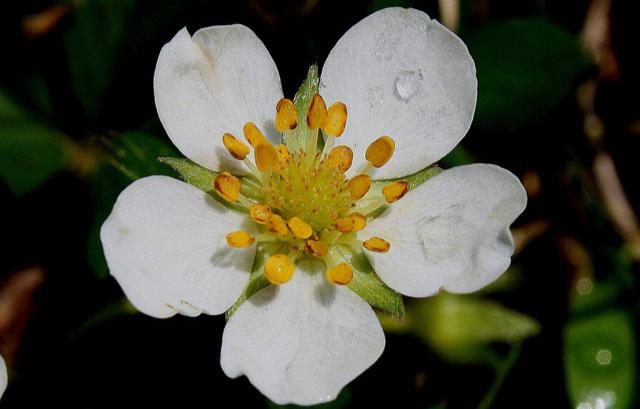
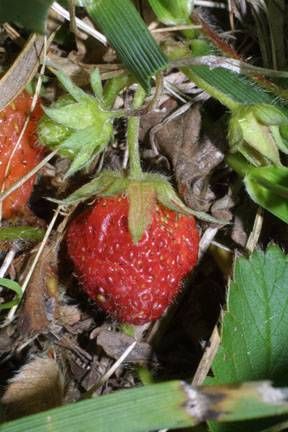
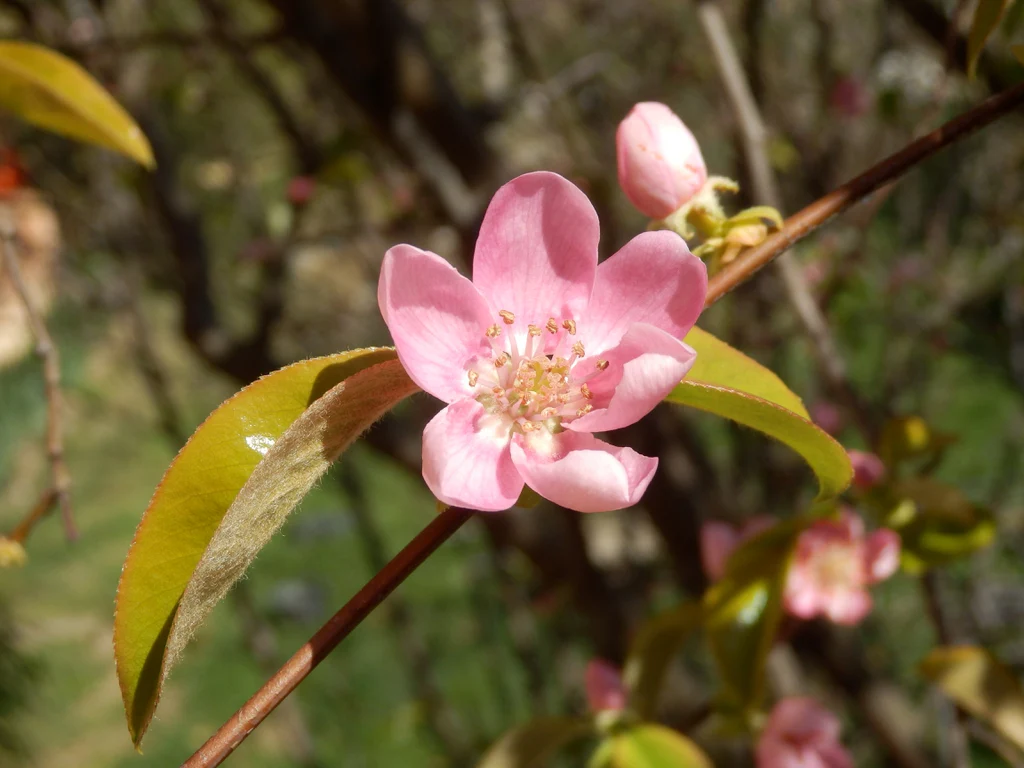
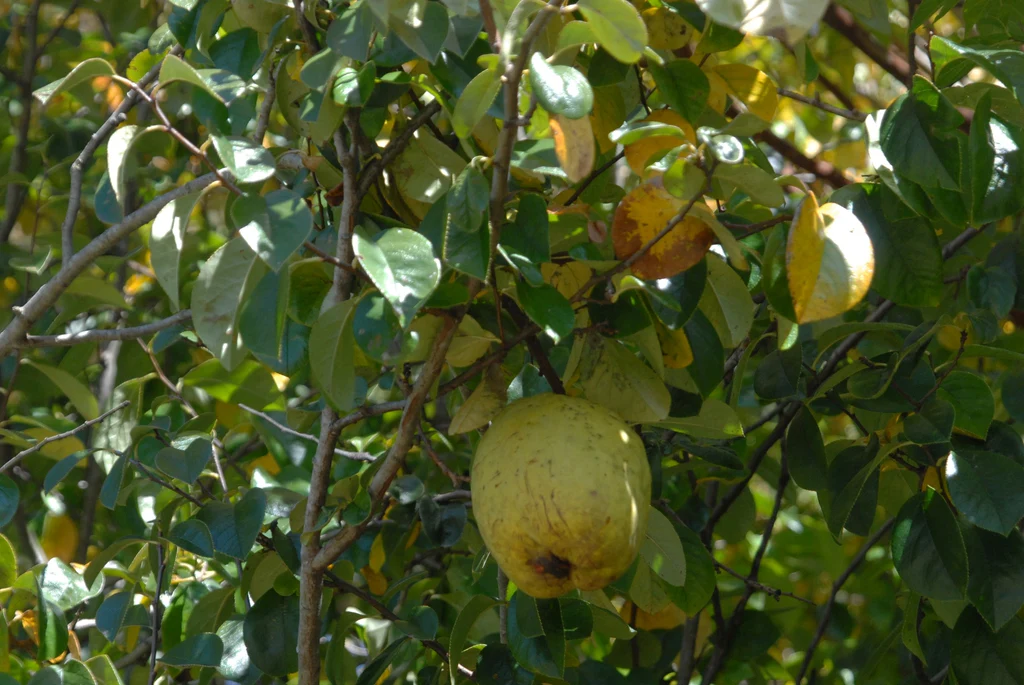
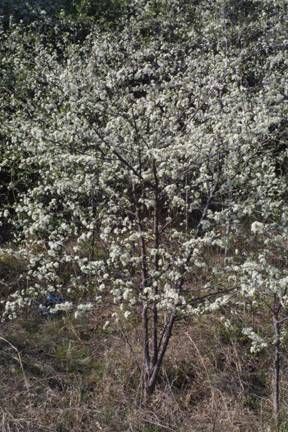
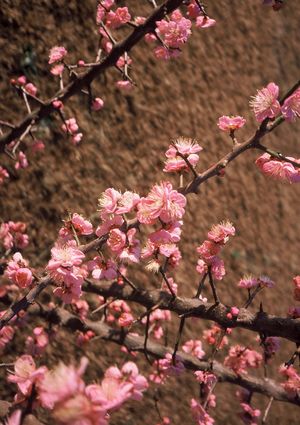
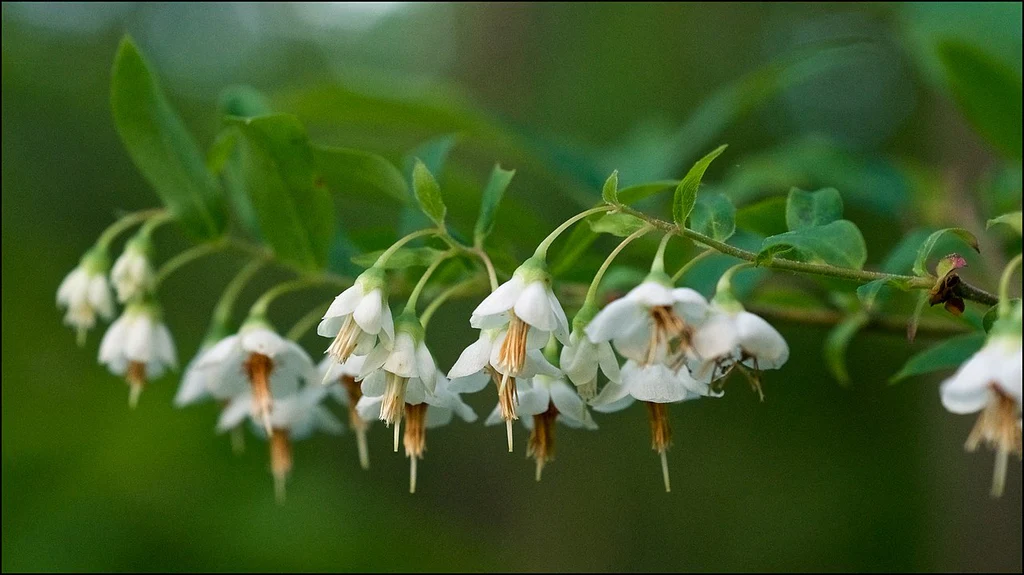
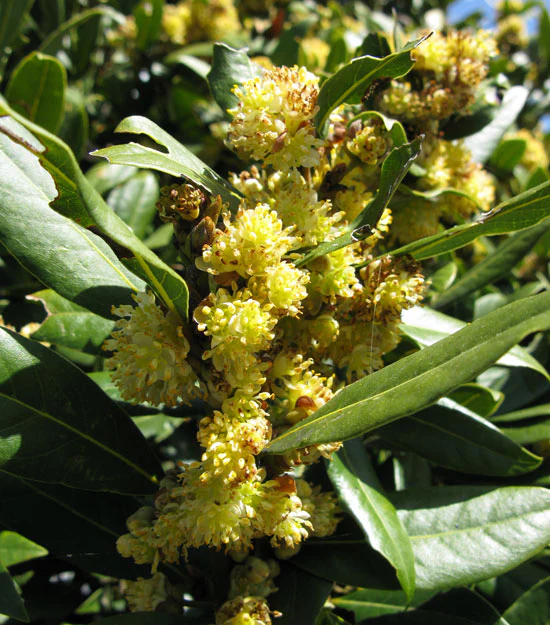
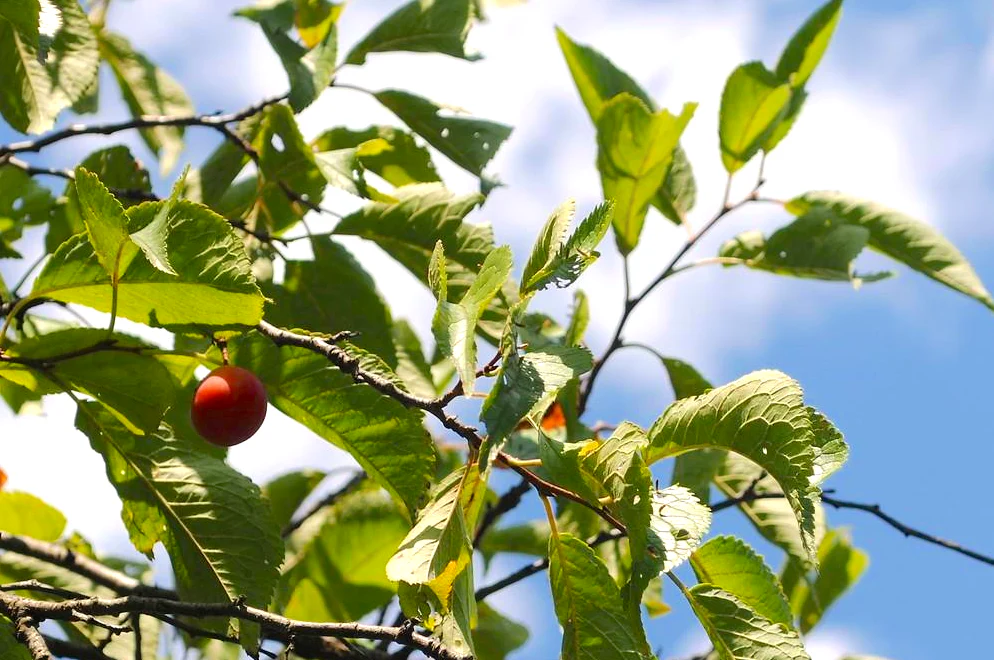
What it has always been, regardless of who is looking, is spectacular in flower. The blooms open in mid-spring on bare branches that are dense, flat-topped clusters of fragrant white flowers that smother the plant before a single leaf appears, attracting native bees and early pollinators at the precise moment when they most need foraging. The plums ripen in early summer to clusters of round, red fruit — sour-skinned and sweet-fleshed, edible fresh and excellent processed into jams and preserves. Birds find them reliably. So do people who know to look.
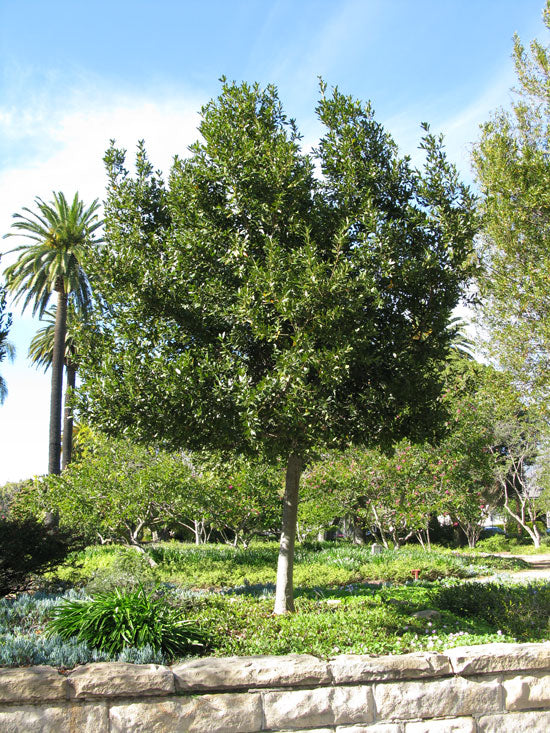
Prunus americana is a thicket-forming small tree, suckering steadily to form dense colonies, occasionally thorny enough to be genuinely impenetrable, and broadly tolerant of difficult conditions. It grows across a remarkable range, from Saskatchewan to Florida, which speaks to an adaptability earned over millennia rather than selected for in a nursery. If you want something with deep roots in this continent's ecology, literally and otherwise, this is it.
Photo courtesy of Rick Webb.
efore European settlement reshaped the eastern landscape, Prunus americana was a fixture at the forest edge: thicket-forming, thorny, and extravagantly beautiful in early spring when it covered itself in white flowers before the leaves had even stirred. The Lakota called it kañta, the Cherokee gunasdv, and across dozens of nations from the Great Plains to the Appalachians it was considered a plant of genuine importance. The fruits were eaten fresh, dried into cakes, and incorporated into pemmican, the dense, calorie-rich mixture of dried meat, fat, and fruit that sustained people through long winters and longer journeys. The inner bark was used medicinally. The wood, dense and close-grained, was worked into tools. This was not an ornamental plant in the minds of the people who knew it first. It was a resource, in the fullest sense.
What it has always been, regardless of who is looking, is spectacular in flower. The blooms open in mid-spring on bare branches that are dense, flat-topped clusters of fragrant white flowers that smother the plant before a single leaf appears, attracting native bees and early pollinators at the precise moment when they most need foraging. The plums ripen in early summer to clusters of round, red fruit — sour-skinned and sweet-fleshed, edible fresh and excellent processed into jams and preserves. Birds find them reliably. So do people who know to look.
Prunus americana is a thicket-forming small tree, suckering steadily to form dense colonies, occasionally thorny enough to be genuinely impenetrable, and broadly tolerant of difficult conditions. It grows across a remarkable range, from Saskatchewan to Florida, which speaks to an adaptability earned over millennia rather than selected for in a nursery. If you want something with deep roots in this continent's ecology, literally and otherwise, this is it.
Photo courtesy of Rick Webb.
Original: $26.00
-70%$26.00
$7.80Description
efore European settlement reshaped the eastern landscape, Prunus americana was a fixture at the forest edge: thicket-forming, thorny, and extravagantly beautiful in early spring when it covered itself in white flowers before the leaves had even stirred. The Lakota called it kañta, the Cherokee gunasdv, and across dozens of nations from the Great Plains to the Appalachians it was considered a plant of genuine importance. The fruits were eaten fresh, dried into cakes, and incorporated into pemmican, the dense, calorie-rich mixture of dried meat, fat, and fruit that sustained people through long winters and longer journeys. The inner bark was used medicinally. The wood, dense and close-grained, was worked into tools. This was not an ornamental plant in the minds of the people who knew it first. It was a resource, in the fullest sense.
What it has always been, regardless of who is looking, is spectacular in flower. The blooms open in mid-spring on bare branches that are dense, flat-topped clusters of fragrant white flowers that smother the plant before a single leaf appears, attracting native bees and early pollinators at the precise moment when they most need foraging. The plums ripen in early summer to clusters of round, red fruit — sour-skinned and sweet-fleshed, edible fresh and excellent processed into jams and preserves. Birds find them reliably. So do people who know to look.
Prunus americana is a thicket-forming small tree, suckering steadily to form dense colonies, occasionally thorny enough to be genuinely impenetrable, and broadly tolerant of difficult conditions. It grows across a remarkable range, from Saskatchewan to Florida, which speaks to an adaptability earned over millennia rather than selected for in a nursery. If you want something with deep roots in this continent's ecology, literally and otherwise, this is it.
Photo courtesy of Rick Webb.